

Hey there! As an industrial inner tube supplier, I've been getting a lot of questions lately about whether industrial inner tubes are affected by saltwater. It's a valid concern, especially for those who use these inner tubes in marine or coastal environments. So, I thought I'd take some time to dig into this topic and share what I've found.
First off, let's talk about what industrial inner tubes are. These bad boys are used in a variety of heavy - duty applications. For instance, in forklifts. If you're in the market for forklift inner tubes, you can check out Forklift Inner Tubes. They're designed to withstand a lot of pressure and wear and tear. We also have High Quality Forklift Butyl Inner Tube and 9 Inch Forklift Tire Tube for more specific needs.
Now, back to the main question: Are industrial inner tubes affected by saltwater? The short answer is yes, they can be. Saltwater is a corrosive substance, and when industrial inner tubes come into contact with it, several things can happen.
One of the primary concerns is corrosion. Most industrial inner tubes are made of rubber or a rubber - like material. Saltwater contains a high concentration of salts, mainly sodium chloride. When the saltwater gets in contact with the inner tube, the salts can start to break down the rubber over time. The salt acts as an abrasive and can cause small cracks and tears in the surface of the tube. These cracks may seem insignificant at first, but they can grow over time, leading to air leakage and eventually, tube failure.
Another issue is oxidation. The oxygen in the saltwater can react with the rubber in the inner tube. Oxidation can make the rubber hard and brittle. A brittle inner tube is more likely to burst under pressure, which is a huge safety risk, especially in industrial settings where these tubes are used in heavy - duty machinery.
The frequency and duration of exposure also play a big role. If an industrial inner tube is only exposed to saltwater occasionally, the damage might be minimal. But if it's constantly submerged or in contact with saltwater, the deterioration process will be much faster. For example, in a marine port where forklifts are used to move goods on and off ships, the inner tubes of these forklifts are at a higher risk if they're exposed to salt - laden water on a regular basis.
However, not all hope is lost. There are ways to mitigate the effects of saltwater on industrial inner tubes. One option is to use inner tubes made from more resistant materials. Some manufacturers are now producing inner tubes with special coatings or additives that make them more resistant to saltwater corrosion. These tubes are more expensive, but they can last much longer in salt - exposed environments.
Regular maintenance is also crucial. After exposure to saltwater, it's important to rinse the inner tubes thoroughly with fresh water. This helps to remove the salt from the surface of the tube, reducing the chances of corrosion and oxidation. Inspecting the tubes regularly for signs of damage, such as cracks or discoloration, can also help catch problems early on.
In addition, proper storage can make a difference. If the inner tubes are not in use, they should be stored in a dry, cool place away from direct sunlight and saltwater. This helps to slow down the aging process of the rubber and keeps the tubes in good condition.
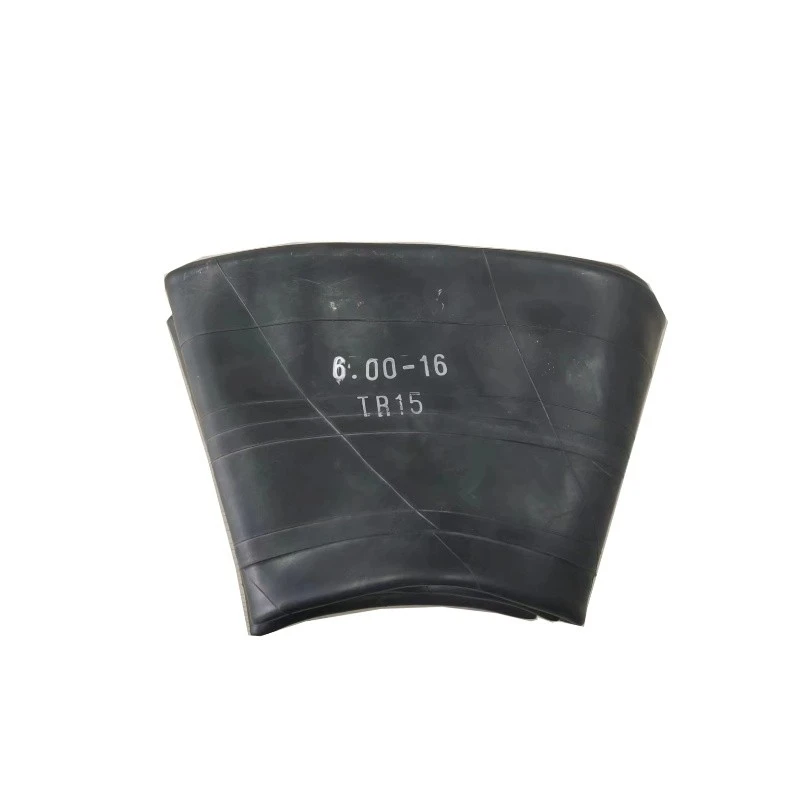

Now, if you're in an industry that requires industrial inner tubes and you're worried about saltwater exposure, don't hesitate to reach out. We're here to help you find the right solution for your needs. Whether it's a more salt - resistant inner tube or just some advice on maintenance, we've got you covered. We understand that in your business, the reliability of your equipment is key, and that includes the inner tubes.
To sum it up, industrial inner tubes can be affected by saltwater, but with the right precautions and the right products, you can minimize the damage and ensure the longevity of your tubes. If you're interested in learning more or want to start a purchase, just drop us a line. We're always happy to have a chat and help you make the best decision for your industrial operations.
References
- Rubber Technology Handbook, Werner Hofmann
- Industrial Materials and Their Applications, John Schey