

As a leading supplier of truck and bus tire flaps, I often encounter inquiries from customers about the proper storage of these essential components. Proper storage is crucial to maintain the quality and performance of tire flaps, ensuring they serve their purpose effectively when installed on trucks and buses. In this blog post, I will share some guidelines based on my experience and industry knowledge.
Why Proper Storage Matters
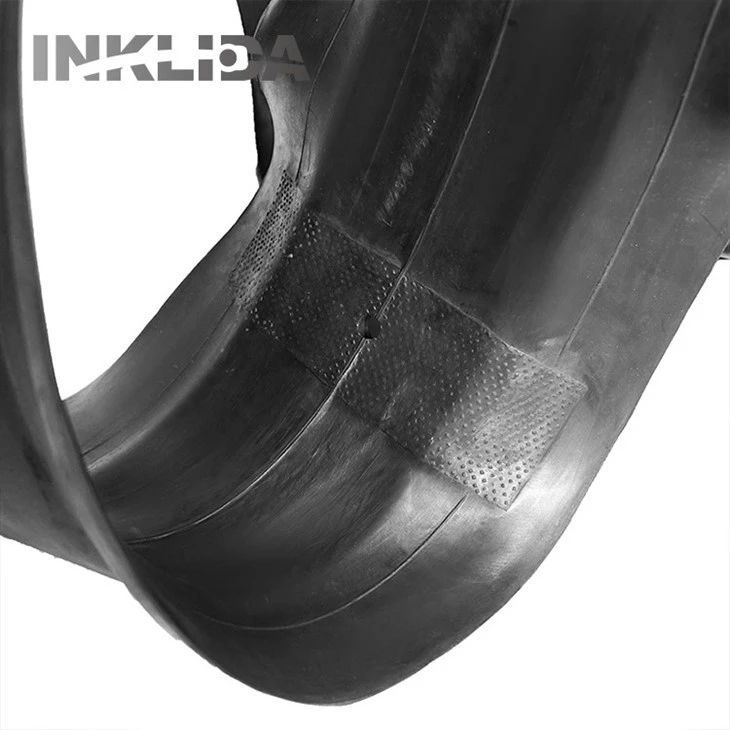
Truck and bus tire flaps play a vital role in protecting the inner tubes of tires from damage. They act as a barrier between the tube and the rim, preventing friction, heat buildup, and foreign object penetration. If tire flaps are not stored correctly, they can deteriorate over time, losing their flexibility, strength, and protective properties. This can lead to premature failure of the tire flaps and, ultimately, the tires themselves, resulting in increased maintenance costs and potential safety hazards on the road.
Ideal Storage Conditions
Temperature and Humidity
The ideal temperature for storing truck and bus tire flaps is between 5°C and 25°C (41°F and 77°F). Extreme temperatures can cause the rubber to harden or become brittle, reducing its flexibility and durability. High humidity can also promote the growth of mold and mildew, which can damage the tire flaps. Therefore, it is essential to store tire flaps in a cool, dry place away from direct sunlight, heat sources, and areas prone to moisture.

Ventilation
Proper ventilation is necessary to prevent the buildup of harmful gases and odors that can affect the quality of the tire flaps. Ensure that the storage area is well-ventilated, with adequate air circulation. Avoid storing tire flaps in sealed containers or areas with poor ventilation, as this can lead to the accumulation of moisture and the growth of bacteria.
Protection from Physical Damage
Tire flaps should be stored in a way that protects them from physical damage, such as scratches, cuts, and punctures. Avoid placing heavy objects on top of the tire flaps or stacking them too tightly, as this can cause deformation and damage. Instead, store them in a flat or upright position on a clean, dry surface, preferably on a rack or in a storage bin.
Avoidance of Chemical Exposure
Tire flaps are made of rubber, which is susceptible to damage from certain chemicals. Keep them away from solvents, oils, greases, and other chemicals that can cause the rubber to swell, crack, or deteriorate. If the tire flaps come into contact with any chemicals, clean them immediately with a mild soap and water solution and dry them thoroughly.
Specific Storage Recommendations
New Tire Flaps
New tire flaps should be stored in their original packaging or containers until they are ready to be installed. This helps to protect them from dust, dirt, and other contaminants. If the original packaging is not available, store the tire flaps in a clean, dry plastic bag or container.
Used Tire Flaps
Used tire flaps should be cleaned and inspected before storage. Remove any dirt, debris, or foreign objects from the surface of the tire flaps using a brush or a mild soap and water solution. Inspect the tire flaps for any signs of damage, such as cuts, tears, or excessive wear. If the tire flaps are damaged, they should be replaced rather than stored.
Long-Term Storage
If you need to store tire flaps for an extended period, it is recommended to apply a thin layer of talcum powder or silicone spray to the surface of the tire flaps. This helps to prevent the rubber from sticking together and reduces the risk of mold and mildew growth. Additionally, you may want to consider wrapping the tire flaps in plastic wrap or a protective cover to provide an extra layer of protection.
Our Product Offerings
At our company, we offer a wide range of high-quality truck and bus tire flaps to meet the diverse needs of our customers. Our products include 24 Inch Truck Tire Inner Tube Protector, Truck Tyre Flap, and 20 Inch Rubber Tire Tube Flap. All our tire flaps are made from premium materials and are designed to provide excellent protection and durability.
Encouraging Contact for Purchase
If you are in the market for truck and bus tire flaps, we invite you to contact us to discuss your specific requirements. Our team of experts is dedicated to providing you with the best products and services at competitive prices. Whether you need a small quantity for a single vehicle or a large order for a fleet, we can accommodate your needs. Don't hesitate to reach out to us for more information or to place an order.
References
- "Tire Flap Maintenance and Storage Guide," Tire Industry Association.
- "Best Practices for Storing Rubber Products," Rubber Manufacturers Association.
- "Safety Considerations for Truck and Bus Tires," National Highway Traffic Safety Administration.