

Hey there! As an industrial inner tube supplier, I often get asked about safety precautions when using these tubes. It's super important to know this stuff because industrial inner tubes play a crucial role in many heavy - duty applications. So, let's dive right in and talk about the safety measures you should take when using industrial inner tubes.
Pre - installation Checks
Before you even think about installing an industrial inner tube, there are a few things you need to do. First off, inspect the tube thoroughly. Look for any signs of damage like cuts, punctures, or bulges. A damaged tube can fail during use, which can be really dangerous. You don't want a sudden blowout when you're operating heavy machinery.
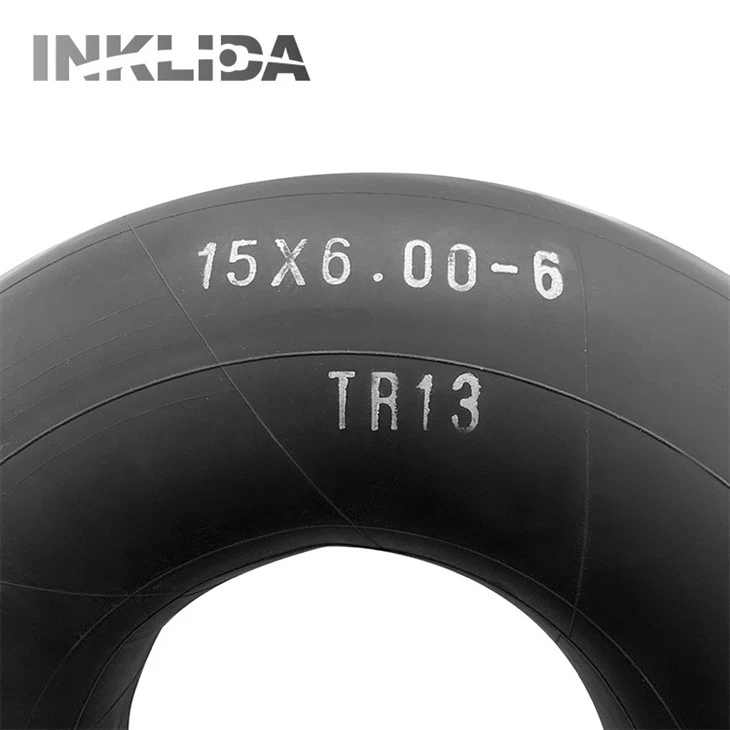
Also, make sure the tube is the right size for the tire. Using an incorrectly sized tube can lead to uneven pressure distribution, which may cause the tube to burst. For example, if you're looking for a tube for a forklift, you can check out our 9 Inch Forklift Tire Tube or High Quality Forklift Butyl Inner Tube. These are designed to fit specific forklift tire sizes, ensuring a proper and safe fit.
Another thing to check is the valve stem. The valve stem should be in good condition, without any cracks or leaks. A faulty valve stem can cause air to leak out gradually, leading to under - inflated tires. And under - inflated tires can increase the risk of tire failure and reduce the efficiency of your equipment.
Installation Process
When it comes to installing the industrial inner tube, safety is key. First, make sure the tire and the rim are clean. Any dirt or debris between the tube and the tire can cause abrasion, which may lead to a puncture. Use a clean cloth to wipe down the inside of the tire and the rim before installation.
Lubricate the tube and the valve stem with a suitable lubricant. This makes it easier to install the tube without causing any damage. But be careful not to use too much lubricant, as it can make the tube slippery and difficult to handle.
During installation, take your time and make sure the tube is evenly positioned inside the tire. Avoid pinching the tube between the tire and the rim. If the tube gets pinched, it can develop a weak spot, which may eventually lead to a blowout.
Inflation Safety
Inflating the industrial inner tube to the correct pressure is extremely important. Over - inflation can cause the tube to burst, while under - inflation can lead to excessive heat build - up, which also increases the risk of tire failure.
Always refer to the manufacturer's recommendations for the correct inflation pressure. You can usually find this information on the sidewall of the tire or in the equipment's manual. Use a reliable tire pressure gauge to measure the pressure accurately.
When inflating the tube, do it slowly. Rapid inflation can cause the tube to heat up quickly, which may damage the tube. Also, keep an eye on the pressure gauge while inflating to avoid over - inflation.
Usage and Maintenance
Once the industrial inner tube is installed and inflated correctly, you need to pay attention to its usage and maintenance. Regularly check the tire pressure. Changes in temperature and usage can cause the pressure to fluctuate. A good rule of thumb is to check the pressure at least once a week.
Inspect the tires for any signs of wear and tear. Look for things like uneven tread wear, cuts, or bulges. If you notice any problems, replace the tube as soon as possible.

Avoid overloading the equipment. Overloading can put extra stress on the tires and the inner tubes, increasing the risk of failure. Make sure you know the weight capacity of your equipment and stick to it.
Storage Safety
If you have extra industrial inner tubes in storage, you need to store them properly. Keep them in a cool, dry place away from direct sunlight and heat sources. Exposure to heat and sunlight can cause the rubber to deteriorate, reducing the lifespan of the tube.
Store the tubes in a clean environment to prevent dirt and debris from accumulating on them. You can also cover the tubes with a protective cover to keep them clean.
Safety for Different Types of Industrial Inner Tubes
Different types of industrial inner tubes may have specific safety requirements. For example, forklift inner tubes, like our Forklift Inner Tubes, are used in a high - traffic and often harsh environment. Forklifts are constantly moving, lifting heavy loads, and making turns. This means the inner tubes need to be able to withstand a lot of stress.
When using forklift inner tubes, make sure the forklift is operated on a smooth surface as much as possible. Rough surfaces can cause more wear and tear on the tires and the inner tubes. Also, avoid sudden stops and starts, as they can put extra stress on the tubes.
In conclusion, using industrial inner tubes safely requires a combination of pre - installation checks, proper installation, correct inflation, regular maintenance, and safe storage. By following these safety precautions, you can ensure the longevity and reliability of your industrial inner tubes, and most importantly, keep yourself and others safe.
If you're in the market for high - quality industrial inner tubes, we're here to help. Whether you need a tube for a forklift or other industrial equipment, we have a wide range of products to meet your needs. Feel free to reach out to us for more information or to start a procurement discussion. We're always happy to assist you in finding the right industrial inner tubes for your requirements.
References
- General industrial tire and inner tube safety guidelines from industry standards organizations.
- Manufacturer's manuals for industrial equipment using inner tubes.