

Hey there, fellow farmers and agricultural enthusiasts! As an agricultural tire supplier, I've been getting a bunch of questions lately about the special requirements for mounting agricultural tires. So, I thought I'd put together this blog post to share some insights and tips that might come in handy.
First off, let's talk about why mounting agricultural tires correctly is such a big deal. Agricultural tires are designed to handle some pretty tough conditions. They've got to deal with uneven terrain, heavy loads, and sometimes even harsh weather. If they're not mounted properly, it can lead to all sorts of problems, like uneven wear, poor traction, and even safety issues. So, taking the time to mount them right is definitely worth it.
One of the most important requirements for mounting agricultural tires is getting the right fit. You can't just slap any tire on your tractor or other agricultural equipment. You need to make sure the tire size, load rating, and speed rating are all compatible with your machine. For example, if you've got a heavy-duty tractor that's used for pulling large implements, you'll need tires with a high load rating to handle the weight. On the other hand, if you're using a smaller tractor for lighter tasks, you can get away with tires that have a lower load rating.
When it comes to tire size, it's crucial to follow the manufacturer's recommendations. You can usually find this information in your equipment's owner's manual or on a placard located on the machine itself. Using the wrong tire size can affect the handling and performance of your equipment, and it can also cause damage to the tires and other components.
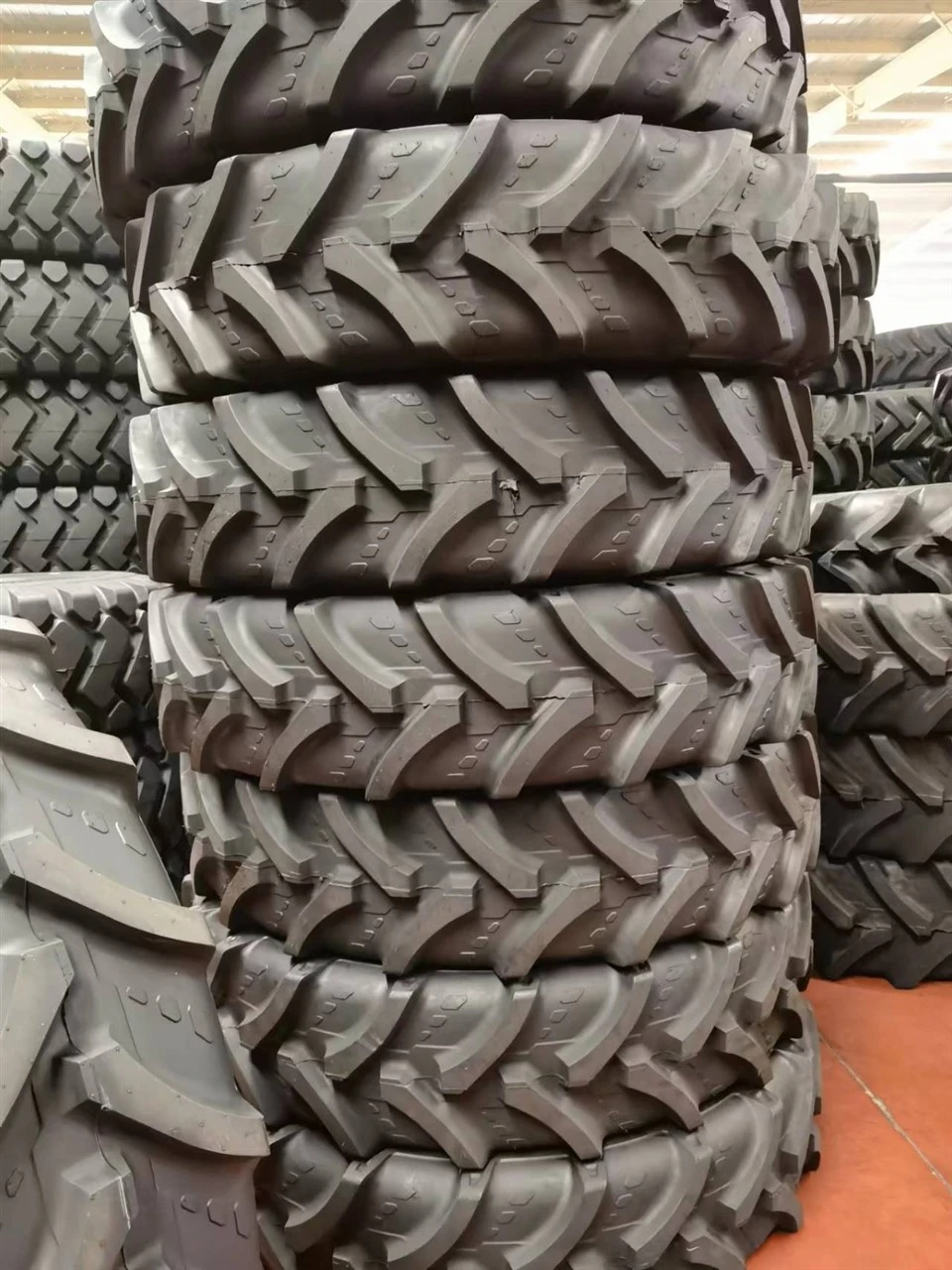
Another important factor to consider is the type of tire you're using. There are two main types of agricultural tires: bias-ply and radial. Bias-ply tires have a more traditional construction, with layers of fabric cords that run diagonally across the tire. They're generally more affordable and offer good traction in muddy or soft soil conditions. Radial tires, on the other hand, have a more advanced construction, with cords that run perpendicular to the direction of travel. They provide better fuel efficiency, a smoother ride, and longer tread life. You can check out our AGR Tire Bias And Radial Types page to learn more about the differences between these two types of tires.
Now, let's talk about the actual mounting process. Before you start, make sure you've got all the necessary tools and equipment. You'll need a tire changer, a torque wrench, and a valve stem tool, among other things. It's also a good idea to have a clean, flat surface to work on.
The first step is to remove the old tires from your equipment. This can be a bit of a hassle, especially if the tires are old and worn. You'll need to use the tire changer to break the bead of the tire and remove it from the rim. Once the old tire is off, you can inspect the rim for any damage or wear. If the rim is damaged, it's important to replace it before mounting the new tires.
Next, you'll need to mount the new tires on the rims. This is where things can get a bit tricky, especially if you're not familiar with the process. You'll need to make sure the tire is properly aligned with the rim and that the bead is seated correctly. You can use a lubricant to help the tire slide onto the rim more easily. Once the tire is on the rim, you'll need to inflate it to the recommended pressure using a tire inflator.
After the tire is inflated, you'll need to check the torque on the lug nuts. This is important to ensure that the tires are securely attached to the equipment. You should use a torque wrench to tighten the lug nuts to the manufacturer's specifications. Over-tightening or under-tightening the lug nuts can cause problems, so it's important to get it right.
Finally, you'll need to check the alignment of the tires. This is important to ensure that the tires wear evenly and that your equipment handles properly. You can use a wheel alignment tool to check the alignment of the tires. If the alignment is off, you'll need to have it adjusted by a professional.
In addition to these basic requirements, there are a few other things to keep in mind when mounting agricultural tires. For example, you should always wear safety glasses and gloves to protect yourself from injury. You should also make sure that the area around the equipment is clear of any obstacles or debris. And if you're not comfortable mounting the tires yourself, it's always a good idea to have a professional do it for you.
At our company, we offer a wide range of agricultural tires to meet the needs of farmers and agricultural businesses of all sizes. Whether you're looking for a high-traction tire for your tractor or a durable tire for your combine, we've got you covered. Check out our High Traction R2W Tractor Tire and Bias Tractor Front Tyre 7.50-16 pages to learn more about our products.
If you have any questions about mounting agricultural tires or if you're interested in purchasing tires from us, please don't hesitate to get in touch. We're here to help you find the right tires for your equipment and to ensure that they're mounted correctly. Contact us today to start the conversation and let's work together to keep your agricultural operations running smoothly.
References
- Agricultural Equipment Owner's Manuals
- Tire Manufacturer's Guidelines