

Can a thicker tire inner tube prevent punctures better?
As a tire inner tube supplier, I've encountered numerous inquiries from customers about the relationship between the thickness of a tire inner tube and its puncture - prevention ability. This topic is of great significance to both end - users and those in the automotive and industrial sectors. In this blog, I'll delve into this question based on scientific knowledge and practical experience.
Understanding Tire Inner Tubes
Before discussing whether a thicker inner tube can prevent punctures better, it's essential to understand what a tire inner tube is and how it functions. A tire inner tube is a rubber bladder that is inserted inside a tire. It holds the air, providing the necessary pressure for the tire to support the vehicle's weight and maintain its shape. Inner tubes come in various sizes and materials, such as natural rubber and butyl rubber. For instance, our Motorcycle Butyl Rubber Tube is made of high - quality butyl rubber, which has excellent air - retention properties.
The Concept of Puncture Resistance
Puncture resistance refers to the ability of a tire inner tube to withstand the penetration of sharp objects. Sharp objects like nails, glass shards, and thorns are common culprits that can cause punctures. When a sharp object presses against the inner tube, the tube's material must resist the force exerted by the object to prevent it from breaking through.
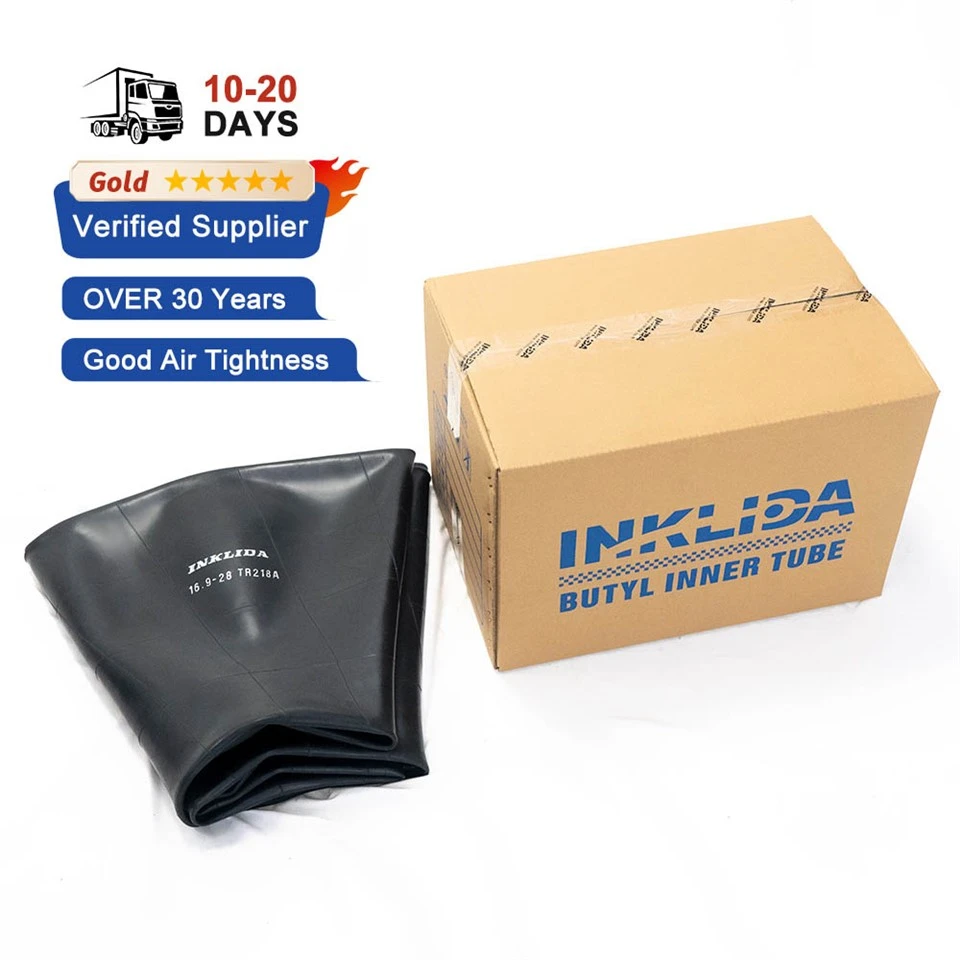
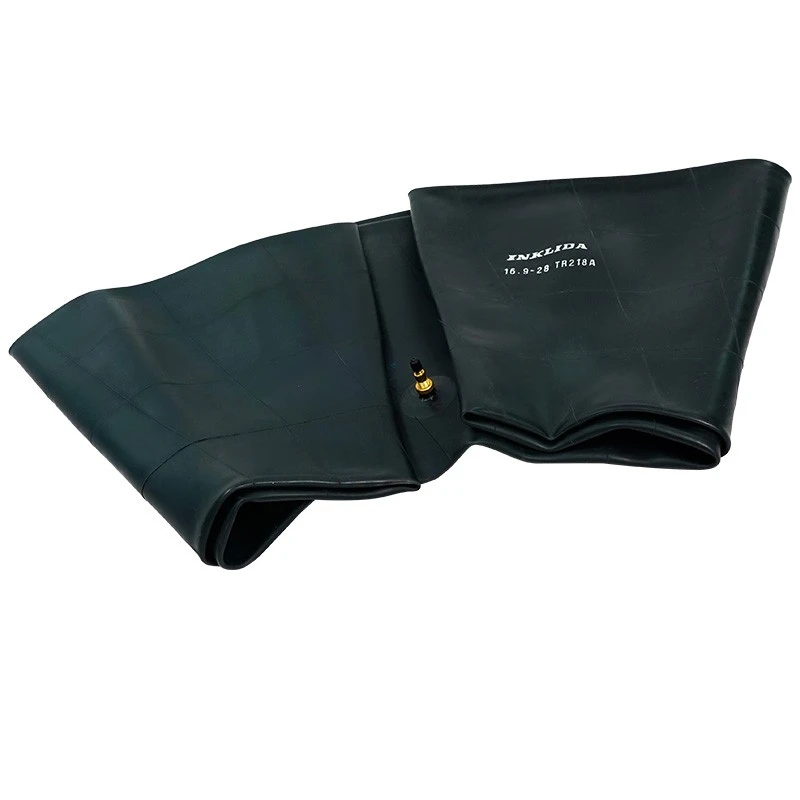
The Role of Thickness in Puncture Resistance
One might intuitively think that a thicker tire inner tube would provide better puncture resistance. After all, a thicker layer of rubber means more material for a sharp object to penetrate. In theory, this is correct. A thicker inner tube has more mass and a greater cross - sectional area, which can distribute the force of a puncturing object over a larger area. This reduces the stress at the point of contact, making it more difficult for the object to break through the tube.
For example, our 20*8.00 - 10 Industrial Inner Tube is relatively thick. In industrial settings where there are often debris and sharp objects on the ground, the extra thickness gives it an edge in withstanding potential punctures. The thicker rubber can absorb and disperse the energy of a puncturing object, protecting the inner tube from being pierced.
Other Factors Affecting Puncture Resistance
However, thickness is not the only factor that determines puncture resistance. The material of the inner tube also plays a crucial role. Butyl rubber, for example, is known for its high tear strength and low permeability. It can resist punctures better than some other types of rubber, even if the tube is not extremely thick.
The manufacturing process also affects puncture resistance. A well - manufactured inner tube with a uniform thickness and proper vulcanization will have better overall strength and puncture - prevention capabilities. Imperfections in the manufacturing process, such as weak spots or uneven thickness, can make the inner tube more susceptible to punctures.
The pressure inside the inner tube is another important factor. If the pressure is too low, the inner tube is more likely to fold or bunch up when it comes into contact with a sharp object, increasing the risk of a puncture. On the other hand, over - inflating the inner tube can make it more rigid and less able to absorb the impact of a puncturing object.
Practical Considerations
In real - world applications, the benefits of a thicker inner tube need to be weighed against other factors. Thicker inner tubes are generally heavier, which can affect the vehicle's fuel efficiency and handling. They also tend to be more expensive due to the additional material used.
For light - duty applications, such as bicycles used for casual riding, a thinner inner tube may be sufficient. The risk of encountering sharp objects is relatively low, and the weight and cost savings of a thinner tube are more important considerations. However, for heavy - duty applications like industrial vehicles or off - road motorcycles, a thicker inner tube may be a worthwhile investment. Our 28 Inch Farm&implement Inner Tube is designed for heavy - duty use on farms, where there are many sharp rocks and debris. The extra thickness provides the necessary protection against punctures in such harsh environments.
Conclusion
In conclusion, while a thicker tire inner tube can generally prevent punctures better due to its ability to distribute force and absorb energy, it is not the sole determinant of puncture resistance. Other factors such as material, manufacturing process, and inflation pressure also play significant roles.
When choosing a tire inner tube, customers need to consider their specific needs and usage scenarios. If puncture prevention is a top priority, especially in high - risk environments, a thicker inner tube may be the way to go. But for those who prioritize weight and cost, a thinner tube may be more suitable.
As a tire inner tube supplier, we offer a wide range of products to meet different customer requirements. Whether you need a thick, heavy - duty inner tube for industrial use or a lightweight, cost - effective tube for everyday cycling, we have the right solution for you. If you're interested in our products or have any questions about tire inner tubes, please feel free to contact us for procurement and further discussions.
References
- "The Science of Rubber and Its Applications in Tires" by Rubber Research Institute
- "Tire Technology Handbook" by Tire Manufacturers Association