

As a seasoned supplier of truck inner tubes, I often get asked a wide range of questions from customers about the compatibility and usability of our products. One question that comes up quite frequently is whether a truck inner tube can be used on a trailer. In this blog post, I'll delve into this topic in detail, exploring the factors to consider, the pros and cons, and the practicality of such a substitution.
Understanding the Basics: Truck Inner Tubes and Trailer Tires
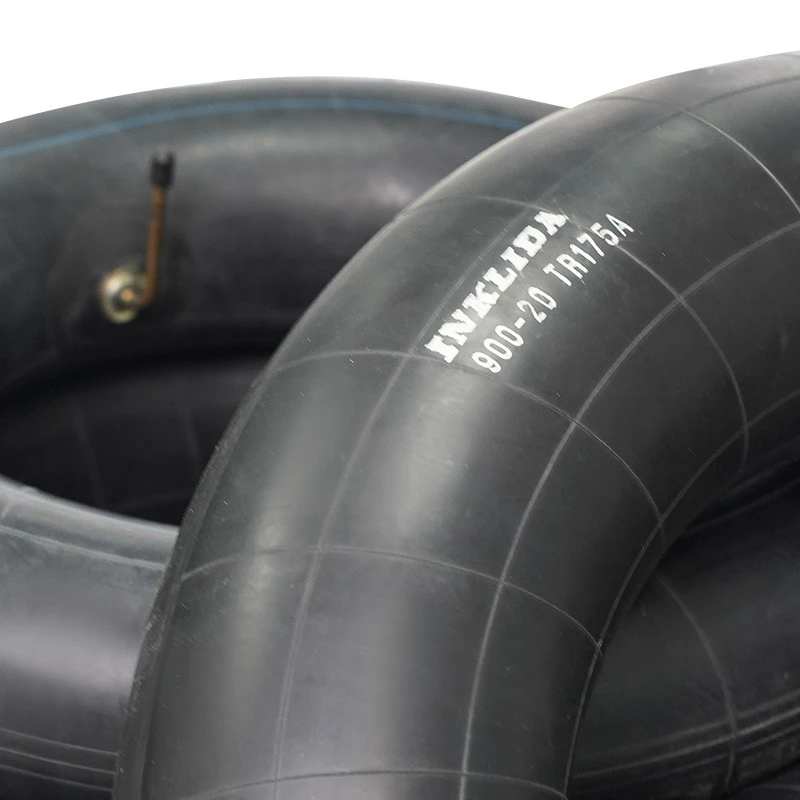
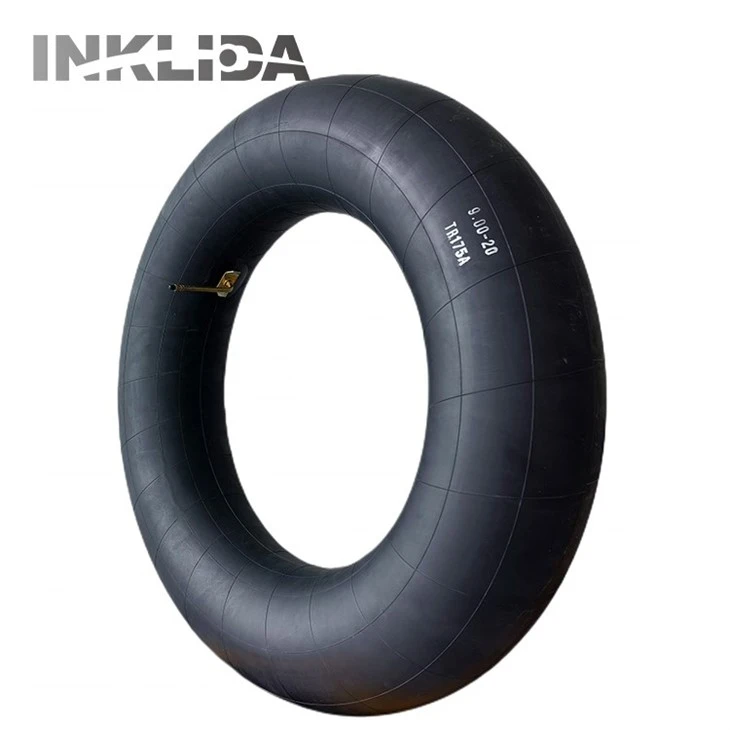
Before we jump into the question at hand, it's important to understand the basic differences between truck inner tubes and trailer tires. Truck inner tubes are designed to fit inside the tires of trucks, which are typically larger and built to carry heavier loads. They are made from durable materials such as natural rubber or synthetic compounds to withstand the high pressures and stresses associated with truck operation.
On the other hand, trailer tires are designed for trailers, which come in various sizes and are used for different purposes. Trailers can be used for hauling everything from small boats to large cargo containers, and their tires are designed to support the weight of the trailer and its load. Trailer tires are often smaller in diameter and have a different load rating compared to truck tires.
Factors to Consider
Size and Fit
The first and most important factor to consider when using a truck inner tube on a trailer is the size and fit. Truck inner tubes come in a variety of sizes, and it's crucial to ensure that the inner tube you choose is the right size for the trailer tire. Using an inner tube that is too large or too small can lead to a poor fit, which can cause the inner tube to bunch up or become damaged, increasing the risk of a blowout.
To determine the correct size of the inner tube, you need to know the size of the trailer tire. This information can usually be found on the sidewall of the tire, indicated by a series of numbers and letters. Make sure to choose an inner tube that matches the size of the trailer tire as closely as possible.
Load Capacity
Another important factor to consider is the load capacity of the truck inner tube and the trailer. Truck inner tubes are designed to handle the heavy loads associated with trucks, while trailer tires have their own specific load ratings. Using a truck inner tube on a trailer may not be suitable if the load capacity of the inner tube is not sufficient for the weight of the trailer and its load.
Before using a truck inner tube on a trailer, you need to calculate the total weight of the trailer and its load and compare it to the load capacity of the inner tube. If the load exceeds the capacity of the inner tube, it's best to use a trailer-specific inner tube to ensure safety and prevent damage to the tire and inner tube.
Pressure Rating
The pressure rating of the truck inner tube and the trailer tire is also an important consideration. Truck inner tubes are designed to operate at higher pressures than trailer tires, and using a truck inner tube on a trailer may require adjusting the pressure accordingly. However, it's important to note that overinflating or underinflating the inner tube can lead to a variety of problems, including poor handling, increased wear and tear, and even a blowout.
To ensure proper inflation, you need to refer to the manufacturer's recommendations for both the truck inner tube and the trailer tire. Make sure to use a reliable tire pressure gauge to measure the pressure accurately and adjust it as needed.
Compatibility with Trailer Design
In addition to size, load capacity, and pressure rating, you also need to consider the compatibility of the truck inner tube with the trailer design. Some trailers may have specific requirements or limitations when it comes to the type of inner tube that can be used. For example, some trailers may require a tubeless tire system, while others may have a specific valve stem type or mounting method.
Before using a truck inner tube on a trailer, it's important to consult the trailer manufacturer's guidelines or a professional tire technician to ensure that the inner tube is compatible with the trailer design.
Pros and Cons of Using a Truck Inner Tube on a Trailer
Pros
- Availability and Cost: Truck inner tubes are often more readily available and less expensive than trailer-specific inner tubes. If you need to replace an inner tube on your trailer quickly and don't have access to a trailer-specific inner tube, using a truck inner tube may be a viable option.
- Durability: Truck inner tubes are designed to withstand the high pressures and stresses associated with truck operation, which means they are generally more durable than trailer-specific inner tubes. Using a truck inner tube on a trailer may provide additional durability and longevity, especially if the trailer is used for heavy-duty applications.
- Versatility: Truck inner tubes come in a variety of sizes and configurations, which means they can be used on a wide range of trailers. This versatility can be useful if you have multiple trailers with different tire sizes or if you need to use the same inner tube on different types of trailers.
Cons
- Fit and Compatibility Issues: As mentioned earlier, using a truck inner tube on a trailer may require careful consideration of size, load capacity, pressure rating, and compatibility with the trailer design. If these factors are not taken into account, it can lead to fit and compatibility issues, which can cause problems such as poor handling, increased wear and tear, and even a blowout.
- Safety Concerns: Using a truck inner tube on a trailer that is not designed for it can pose safety risks. If the inner tube is not properly sized or inflated, it can lead to a loss of control, especially at high speeds or when carrying heavy loads. It's important to ensure that the inner tube is compatible with the trailer and that it is installed and maintained correctly to minimize the risk of accidents.
- Warranty and Liability: Using a truck inner tube on a trailer may void the warranty of the trailer or the inner tube. Additionally, if an accident occurs as a result of using an incompatible inner tube, you may be held liable for any damages or injuries. It's important to check the warranty and liability policies of both the trailer manufacturer and the inner tube supplier before using a truck inner tube on a trailer.
Practical Considerations
Installation
If you decide to use a truck inner tube on a trailer, it's important to follow the proper installation procedures to ensure a safe and secure fit. This may involve removing the old inner tube, inspecting the tire for damage, and lubricating the inner tube and tire before installation. It's also important to use the correct tools and techniques to avoid damaging the inner tube or the tire.
Maintenance
Proper maintenance is essential to ensure the longevity and performance of the truck inner tube on the trailer. This includes regularly checking the tire pressure, inspecting the inner tube for damage or wear, and rotating the tires as recommended. It's also important to follow the manufacturer's guidelines for storage and handling of the inner tube to prevent damage.
Monitoring
Once the truck inner tube is installed on the trailer, it's important to monitor its performance regularly. This includes checking for any signs of damage, such as bulges, cuts, or leaks, and paying attention to any changes in handling or performance. If you notice any problems, it's important to address them immediately to prevent further damage or a potential blowout.
Conclusion
In conclusion, while it is possible to use a truck inner tube on a trailer, it's important to carefully consider the factors discussed in this blog post before making a decision. Size, load capacity, pressure rating, and compatibility with the trailer design are all important considerations that can affect the safety and performance of the trailer.
If you're unsure whether a truck inner tube is suitable for your trailer, I recommend consulting a professional tire technician or the trailer manufacturer for advice. They can provide you with the most accurate information and help you make an informed decision.
As a supplier of truck inner tubes, we offer a wide range of products to meet the needs of our customers. If you're interested in purchasing a truck inner tube for your trailer or have any questions about our products, please feel free to contact us. We're here to help you find the right solution for your needs.
References
- "Tire and Inner Tube Basics," Tire Industry Association.
- "Trailer Tire Maintenance Guide," RVIA.
- "How to Choose the Right Inner Tube for Your Tire," Michelin.