

Hey there! As a tire inner tube supplier, I often get asked if folks can replace a tire inner tube valve by themselves. Well, the short answer is yes, you can! But there are a few things you need to know before you dive in.
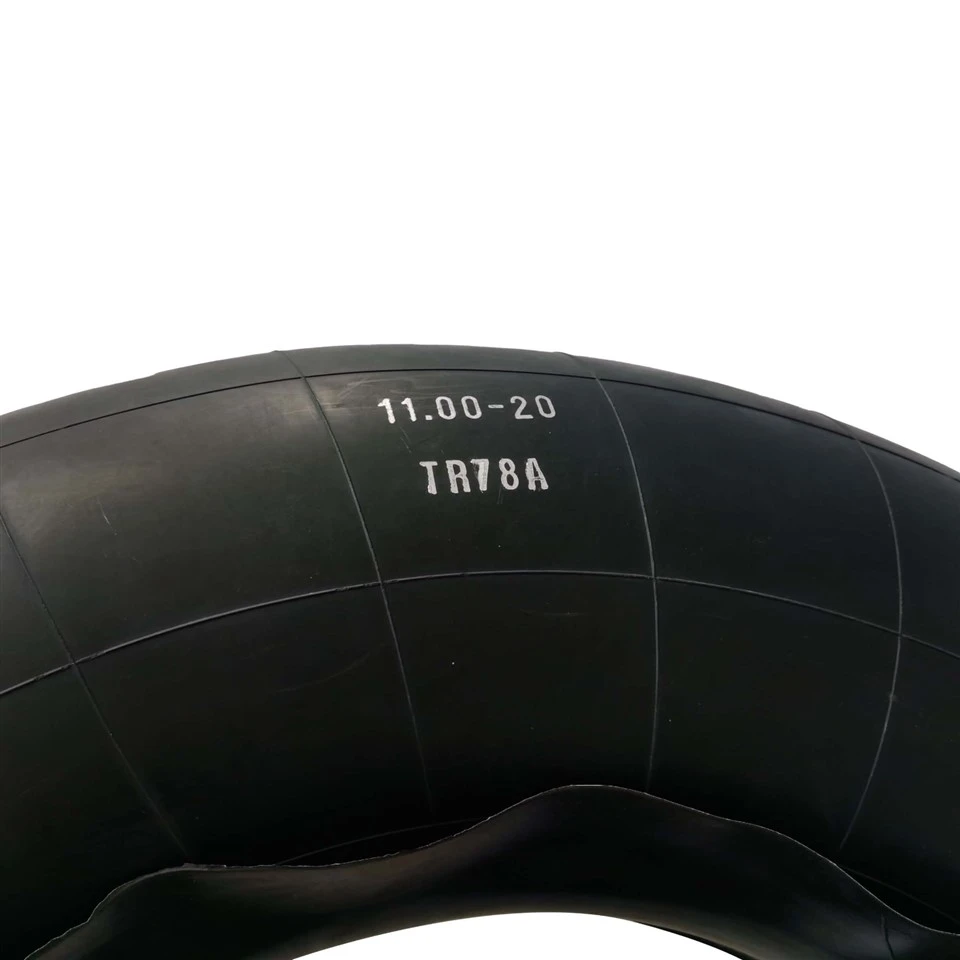
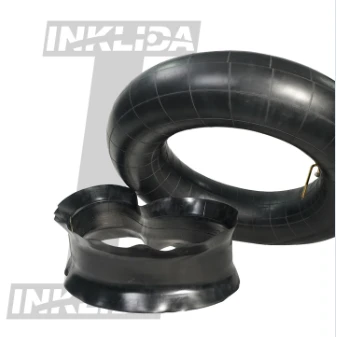
First off, let's talk about why you might need to replace a valve. Valves can go bad for a few reasons. Maybe it's been damaged by a sharp object, or it could be old and worn out. If you notice that your tire is losing air faster than it should, or if the valve is leaking, it's probably time for a replacement.
Now, let's get into the nitty - gritty of the process. The tools you'll need are pretty basic. You'll need a valve core remover, a new valve, a patch kit (just in case), and a pair of pliers. These tools are usually easy to find at your local auto parts store.
The first step is to remove the wheel from the vehicle. This is pretty straightforward, but make sure you follow the proper safety procedures. Use a jack to lift the vehicle and secure it with jack stands. Once the wheel is off, deflate the tire completely. You can use the valve core remover to take out the valve core, which will let the air out quickly.
Next, you need to break the bead of the tire from the rim. This is where the pliers come in handy. You can use them to pry the tire away from the rim. It might take a bit of elbow grease, but with some patience, you'll get it done. Once the bead is broken, you can remove the inner tube from the tire.
Now, it's time to remove the old valve. You'll use the valve core remover again to unscrew the valve from the inner tube. Be careful not to damage the inner tube while you're doing this. Once the old valve is out, you can clean the area around the valve hole on the inner tube.
Before you install the new valve, make sure it's the right size and type for your inner tube. You don't want to end up with a valve that doesn't fit properly. Once you've got the right valve, apply a little bit of talcum powder to the valve stem. This will make it easier to insert the valve into the inner tube.
Insert the new valve through the valve hole in the inner tube. Make sure it's seated properly. Then, use the valve core remover to screw the valve core back into the new valve. This will seal the valve and prevent air from leaking out.
Now, it's time to put the inner tube back into the tire. Make sure the inner tube is positioned correctly and there are no kinks or twists. Then, start to remount the tire onto the rim. This can be a bit tricky, but if you work slowly and carefully, you'll be able to get the tire back on.
Once the tire is back on the rim, you need to inflate it. Use a tire gauge to make sure you're inflating the tire to the correct pressure. You can find the recommended tire pressure in your vehicle's owner's manual.
So, as you can see, replacing a tire inner tube valve by yourself is definitely doable. But it does require a bit of time and patience. If you're not comfortable doing it yourself, you can always take your vehicle to a professional mechanic.
Now, let me tell you a bit about the products we offer as a tire inner tube supplier. We have a wide range of high - quality inner tubes for different types of vehicles. For example, we have Tyre Tube Flaps 750 - 16. These tube flaps are designed to protect the inner tube from damage caused by the rim. They're made from durable materials and are built to last.
We also offer 1100R20 Truck Inner Tube. These inner tubes are specifically designed for trucks. They can handle the heavy loads and long - distance driving that trucks are often subjected to.
And if you're a motorcycle enthusiast, we have Motorcycle Butyl Rubber Tube. Butyl rubber is known for its excellent air retention properties, which means your motorcycle tires will stay inflated longer.
If you're in the market for tire inner tubes or related products, we'd love to have a chat with you. Whether you're a DIY enthusiast looking for parts to work on your own vehicle or a business owner in need of bulk supplies, we can help. Just reach out to us, and we'll be happy to discuss your needs and provide you with the best solutions.
In conclusion, replacing a tire inner tube valve by yourself is a great way to save some money and gain a bit of mechanical know - how. But if you ever run into any problems or have any questions, don't hesitate to get in touch. We're here to support you in all your tire inner tube needs.
References:
- "The Complete Guide to Tire Maintenance" - A general automotive maintenance book
- Various online automotive repair forums where DIYers share their experiences