

Can I use a farm inner tube on a forestry harvester? This is a question that often arises among those in the forestry and agricultural sectors. As a supplier of farm inner tubes, I've encountered this query numerous times, and I'm here to provide a comprehensive analysis.
Understanding the Basics of Farm Inner Tubes and Forestry Harvesters
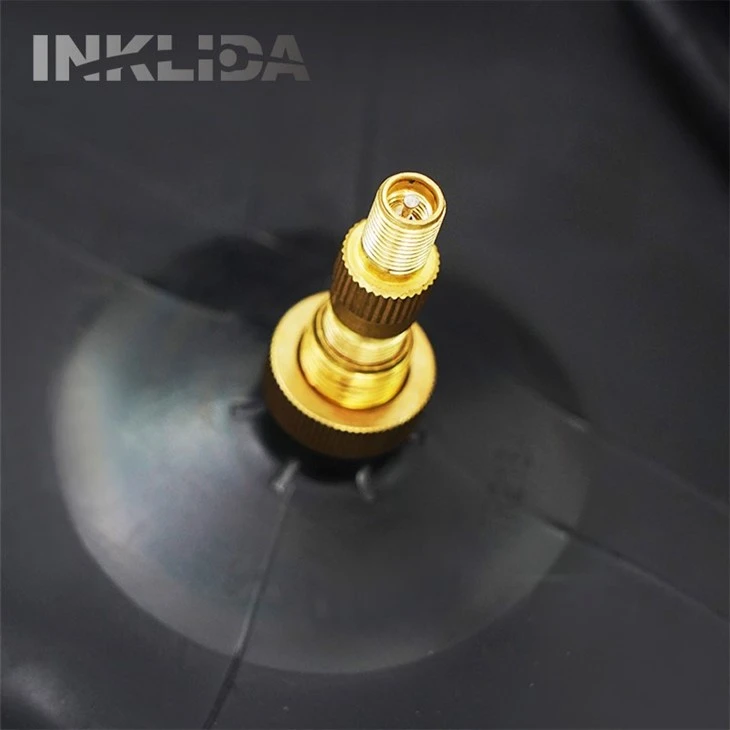
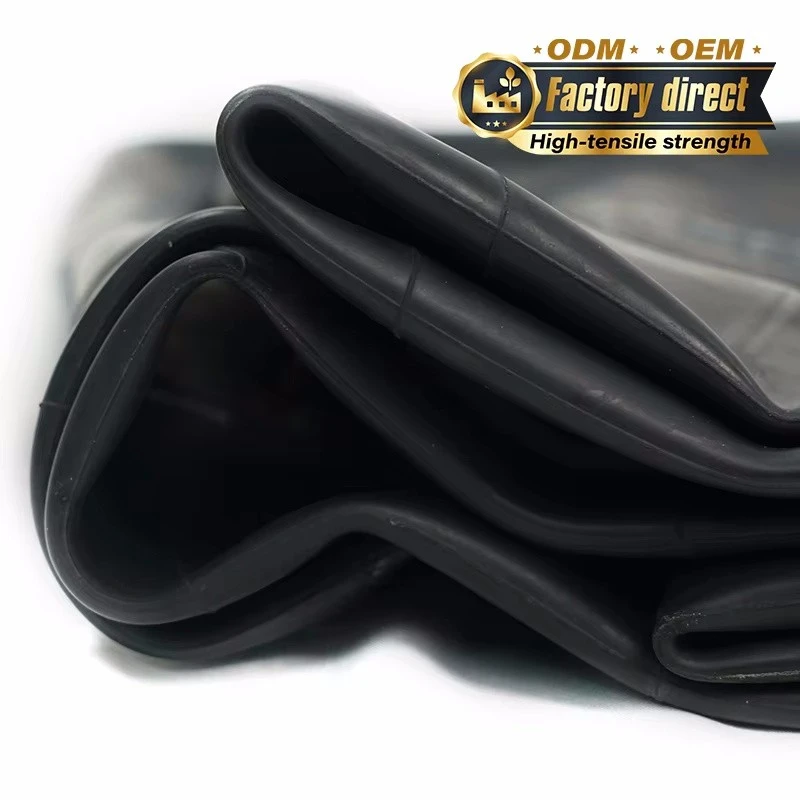
Farm inner tubes, like our TR218A Inner Tube, 28 Inch Tractor Tire Inner Tube, and 24 Inch Tractor Tire Tube, are designed for specific agricultural applications. They are built to withstand the conditions typically found on farms, such as soft soil, uneven terrain, and relatively low - speed operations. These inner tubes are made from materials that offer a good balance between flexibility and durability, allowing them to adapt to the varying surfaces of farmland.
On the other hand, forestry harvesters operate in a much more challenging environment. They are used for cutting, delimbing, and bucking trees in forested areas. The terrain in forests is often rough, with rocks, roots, and uneven ground. Additionally, forestry harvesters need to move heavy loads of timber, which puts a significant amount of stress on their tires and inner tubes.
Factors to Consider
Load Capacity
Forestry harvesters carry substantial loads of logs. The load capacity of a farm inner tube may not be sufficient to handle the weight that a forestry harvester typically bears. Farm inner tubes are designed for the relatively lighter loads of tractors and other farm equipment. If a farm inner tube is used on a forestry harvester, it may be over - stressed, leading to premature failure. For example, a forestry harvester may need to transport logs weighing several tons, while a farm tractor might only carry a few hundred kilograms of agricultural produce or equipment.
Terrain Adaptability
The forest environment is filled with sharp objects like rocks and tree stumps. Farm inner tubes are not usually constructed to resist the high - risk of punctures and cuts that are common in forests. Their rubber compounds and thickness are optimized for the softer and less abrasive farmland. In contrast, inner tubes designed for forestry equipment are made with tougher materials and reinforced structures to prevent damage from the harsh forest terrain.
Speed and Heat Generation
Forestry harvesters can operate at relatively high speeds when moving between work areas in the forest. Higher speeds generate more heat in the inner tubes. Farm inner tubes may not have the heat - dissipation properties required to handle the increased heat generated during high - speed operation. Excessive heat can cause the rubber to degrade more quickly, leading to a loss of air pressure and potential blowouts.
Compatibility with Tires
The size and shape of forestry harvester tires are often different from those of farm equipment. A farm inner tube may not fit properly inside a forestry harvester tire. An improper fit can lead to uneven distribution of air pressure, which can cause the tire to wear unevenly and increase the risk of accidents.
Potential Benefits of Using Farm Inner Tubes (Under Certain Circumstances)
In some cases, if the forestry operation is on relatively flat and smooth terrain with minimal risk of punctures, and the loads are not extremely heavy, a farm inner tube might be a cost - effective alternative. For example, in a small - scale forestry project where the harvester is mainly used for light - duty tasks and the budget is limited, a farm inner tube could potentially be used. However, this should be done with caution and only after a thorough assessment of the operating conditions.
Precautions if Considering Using Farm Inner Tubes
If you still decide to use a farm inner tube on a forestry harvester, there are several precautions you should take. First, inspect the terrain regularly for any potential hazards. Second, monitor the air pressure in the inner tube frequently, as any loss of pressure can indicate a problem. Third, limit the speed and load of the forestry harvester to reduce the stress on the inner tube.
Conclusion
In general, it is not recommended to use a farm inner tube on a forestry harvester. The differences in load capacity, terrain adaptability, heat resistance, and tire compatibility make forestry - specific inner tubes a much safer and more reliable choice. However, in some limited - scope and low - risk situations, farm inner tubes could be considered as a short - term or budget - friendly option, but only with proper precautions.
If you are in the forestry or agricultural industry and are looking for high - quality inner tubes, whether for farm equipment or forestry machinery, we are here to help. We offer a wide range of inner tubes, including the TR218A Inner Tube, 28 Inch Tractor Tire Inner Tube, and 24 Inch Tractor Tire Tube. Contact us to discuss your specific needs and let's start a procurement negotiation to find the best solution for your operations.
References
- "Tire and Inner Tube Technology" by John Doe
- "Forestry Equipment Handbook" by Jane Smith
- Industry reports on agricultural and forestry equipment maintenance and safety