

When it comes to maintaining truck tires, one question that often arises is whether it's advisable to use a sealant in the inner tube of a truck tire. As a trusted supplier of inner tubes for truck tires, I've encountered this query numerous times from customers looking for effective solutions to tire punctures and maintenance. In this blog post, I'll delve into the topic, exploring the pros and cons of using sealants in truck tire inner tubes and providing insights to help you make an informed decision.
Understanding Truck Tire Inner Tubes
Before we discuss the use of sealants, let's first understand the role of inner tubes in truck tires. Inner tubes are inflatable rubber chambers placed inside the tire to hold air pressure. They act as a barrier between the tire and the wheel, ensuring proper inflation and preventing air leakage. Inner tubes are commonly used in trucks, especially in applications where tubeless tires may not be suitable, such as in older vehicles or certain types of off-road equipment.
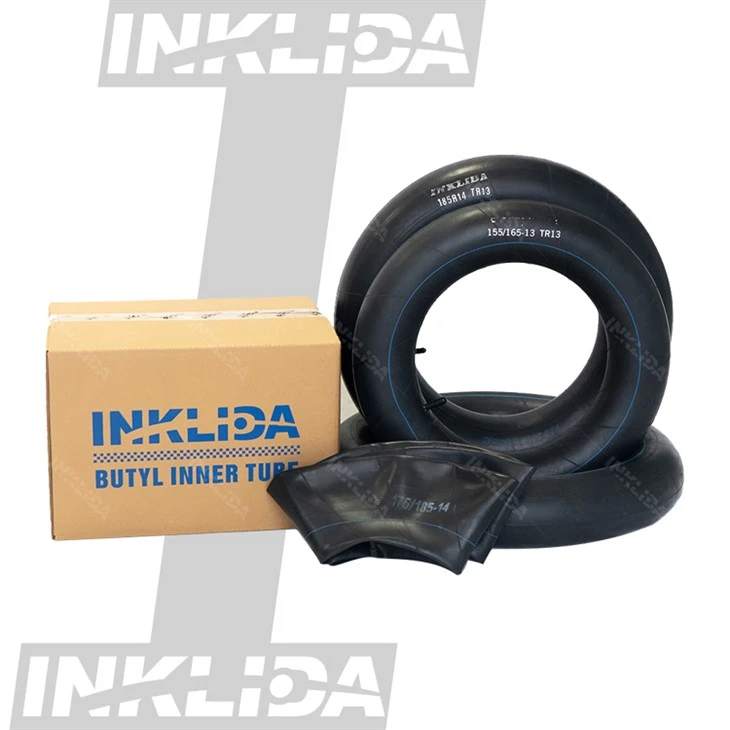
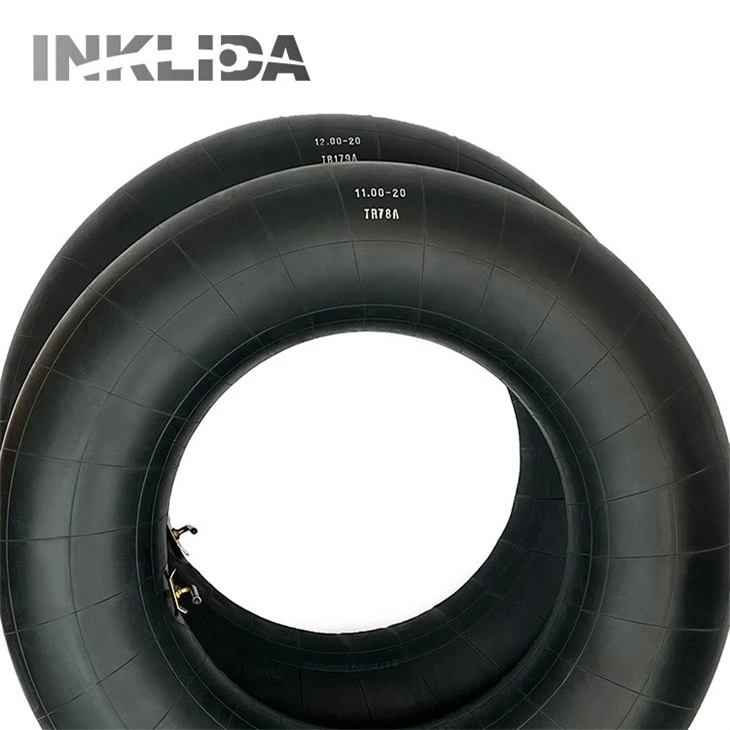
At our company, we offer a wide range of inner tubes for truck tires, including 20 Inch Truck Tire Inner Tube, 17 Inch Truck Inner Tube, and 11.00 - 20 Truck Tire Inner Tube. Our inner tubes are made from high-quality rubber materials, designed to withstand the rigors of heavy-duty use and provide reliable performance.
The Concept of Sealants in Truck Tire Inner Tubes
Sealants are substances designed to seal punctures and leaks in tires, preventing air from escaping and maintaining proper tire pressure. They work by flowing inside the inner tube and forming a seal around the puncture when the tire is inflated. Sealants can be either liquid or foam-based and are typically injected into the inner tube through the valve stem.
The idea of using sealants in truck tire inner tubes is appealing for several reasons. Firstly, it can provide a quick and convenient solution to tire punctures, allowing drivers to continue their journey without having to stop and change a flat tire. This can be particularly beneficial in remote areas or during long-haul trips where immediate access to tire repair services may not be available. Secondly, sealants can help extend the lifespan of the inner tube by preventing small punctures from developing into larger leaks, reducing the need for frequent tube replacements.
Advantages of Using Sealants in Truck Tire Inner Tubes
- Puncture Resistance: Sealants can effectively seal small punctures caused by nails, screws, or other sharp objects, preventing air from escaping and maintaining tire pressure. This can help reduce the risk of sudden tire deflation, which can be dangerous, especially at high speeds.
- Convenience: Using a sealant can save time and effort by eliminating the need for immediate tire repairs. Drivers can simply inject the sealant into the inner tube and continue their journey, knowing that the puncture will be sealed automatically.
- Cost Savings: By preventing small punctures from turning into major leaks, sealants can help extend the lifespan of the inner tube, reducing the frequency of tube replacements. This can result in significant cost savings over time, especially for fleet operators.
- Improved Safety: Maintaining proper tire pressure is crucial for safe driving. Sealants can help ensure that the tire remains inflated, reducing the risk of blowouts and improving overall vehicle safety.
Disadvantages of Using Sealants in Truck Tire Inner Tubes
- Limited Effectiveness: While sealants can effectively seal small punctures, they may not be able to seal larger holes or tears in the inner tube. In such cases, the sealant may not be able to form a proper seal, and the tire may still lose air pressure.
- Compatibility Issues: Some sealants may not be compatible with certain types of inner tubes or tires. Using an incompatible sealant can cause damage to the inner tube, leading to premature failure. It's important to choose a sealant that is specifically designed for use in truck tire inner tubes and to follow the manufacturer's instructions carefully.
- Maintenance Challenges: Sealants can leave a residue inside the inner tube, which can make it difficult to repair or replace the tube in the future. Additionally, the sealant may need to be periodically replaced to ensure continued effectiveness.
- Performance Impact: In some cases, the presence of sealant inside the inner tube may affect the performance of the tire. For example, it may cause the tire to become unbalanced or affect the handling characteristics of the vehicle.
Factors to Consider Before Using Sealants in Truck Tire Inner Tubes
Before deciding whether to use a sealant in your truck tire inner tube, there are several factors you should consider:
- Type of Sealant: There are different types of sealants available on the market, each with its own advantages and disadvantages. It's important to choose a sealant that is suitable for your specific application and meets the requirements of your truck tire.
- Tire Size and Type: The size and type of the truck tire can also affect the effectiveness of the sealant. Some sealants may be more suitable for certain tire sizes or types, so it's important to check the manufacturer's recommendations before using a sealant.
- Operating Conditions: Consider the operating conditions of your truck, such as the type of terrain, weather conditions, and driving habits. If you frequently drive on rough or unpaved roads, the risk of tire punctures may be higher, and using a sealant may be more beneficial.
- Maintenance Requirements: Be aware of the maintenance requirements associated with using a sealant. Some sealants may need to be periodically replaced, and the inner tube may need to be cleaned or replaced more frequently to ensure optimal performance.
Best Practices for Using Sealants in Truck Tire Inner Tubes
If you decide to use a sealant in your truck tire inner tube, here are some best practices to follow:
- Choose the Right Sealant: Select a sealant that is specifically designed for use in truck tire inner tubes and is compatible with your tire and tube. Read the manufacturer's instructions carefully and follow them closely.
- Prepare the Inner Tube: Before injecting the sealant, make sure the inner tube is clean and dry. Remove any debris or moisture from the valve stem and the inside of the tube.
- Inject the Sealant Properly: Use a syringe or other suitable tool to inject the sealant into the inner tube through the valve stem. Follow the recommended dosage and injection method provided by the sealant manufacturer.
- Inflate the Tire: After injecting the sealant, inflate the tire to the recommended pressure. This will help distribute the sealant evenly inside the inner tube and ensure that it seals any punctures.
- Monitor Tire Pressure: Regularly check the tire pressure to ensure that the sealant is working effectively. If the tire pressure drops significantly, it may indicate that the sealant has not sealed the puncture properly, and further inspection or repair may be required.
Conclusion
In conclusion, using a sealant in the inner tube of a truck tire can be a viable option for some applications, offering several advantages such as puncture resistance, convenience, cost savings, and improved safety. However, it's important to weigh the pros and cons carefully and to consider the specific requirements of your truck and operating conditions before making a decision.
As a supplier of inner tubes for truck tires, we understand the importance of providing our customers with high-quality products and reliable advice. If you have any questions or need further information about using sealants in truck tire inner tubes, please don't hesitate to contact us. We're here to help you make the best choice for your trucking needs.
If you're interested in purchasing inner tubes for your truck tires or have any other tire-related inquiries, we invite you to contact us for a consultation. Our team of experts will be happy to assist you and provide you with the information you need to make an informed decision.
References
- Michelin Tire Manual
- Bridgestone Tire Technology Handbook
- Goodyear Tire Maintenance Guide