

As a seasoned tire inner tube supplier, I often receive inquiries from customers about using inner tubes that deviate from the recommended size. One common question is, "Can I use a tire inner tube that is slightly smaller than the recommended size?" This blog post aims to provide a comprehensive answer to this question, exploring the potential risks, benefits, and practical considerations.
Understanding the Recommended Inner Tube Size
Tire manufacturers provide recommended inner tube sizes for a reason. These recommendations are based on extensive testing and engineering to ensure optimal performance, safety, and durability. The recommended size takes into account factors such as the tire's dimensions, load capacity, inflation pressure, and intended use.
When you use an inner tube that matches the recommended size, you can expect the following benefits:
- Proper Fit: A correctly sized inner tube will fit snugly inside the tire, minimizing the risk of slippage or movement during operation. This helps to maintain a consistent shape and prevents the inner tube from bunching up or getting pinched, which can lead to premature failure.
- Optimal Performance: The recommended inner tube size is designed to work in harmony with the tire, providing the right amount of support and flexibility. This ensures that the tire can perform at its best, delivering optimal traction, handling, and ride comfort.
- Safety: Using the correct inner tube size is crucial for safety. An undersized or oversized inner tube can compromise the tire's integrity, increasing the risk of blowouts, flats, and other safety hazards. By following the manufacturer's recommendations, you can help to ensure the safety of yourself and others on the road.
Potential Risks of Using a Slightly Smaller Inner Tube
While it may be tempting to use a slightly smaller inner tube to save money or because it's the only option available, there are several potential risks associated with this practice:
- Increased Pressure: When you use a smaller inner tube, it will need to be inflated to a higher pressure to fill the tire properly. This increased pressure can put additional stress on the inner tube and the tire, increasing the risk of blowouts and flats.
- Uneven Wear: A smaller inner tube may not fit evenly inside the tire, causing uneven wear on the inner tube and the tire. This can lead to premature failure of both the inner tube and the tire, reducing their lifespan and increasing your maintenance costs.
- Reduced Performance: Using a smaller inner tube can also affect the tire's performance, reducing its traction, handling, and ride comfort. This can make your vehicle less safe and enjoyable to drive, especially in challenging conditions.
- Voided Warranty: In many cases, using an inner tube that is not the recommended size may void the tire's warranty. This means that if you experience any problems with the tire, you may not be eligible for replacement or repair under the warranty.
When It Might Be Acceptable to Use a Slightly Smaller Inner Tube
While using a slightly smaller inner tube is generally not recommended, there are some situations where it may be acceptable:
- Emergency Situations: In an emergency situation, such as a flat tire on the side of the road, you may not have access to the correct size inner tube. In this case, using a slightly smaller inner tube as a temporary solution may be better than not having a tire at all. However, it's important to replace the inner tube with the correct size as soon as possible.
- Custom Applications: In some cases, you may be using a tire for a custom application where the recommended inner tube size is not available or does not meet your specific needs. In this case, you may need to consult with a tire professional to determine if a slightly smaller inner tube can be used safely and effectively.
Practical Considerations
If you decide to use a slightly smaller inner tube, there are several practical considerations to keep in mind:
- Inflation Pressure: As mentioned earlier, using a smaller inner tube will require a higher inflation pressure. It's important to follow the manufacturer's recommendations for inflation pressure and to check the pressure regularly to ensure that it remains within the safe range.
- Inspection: Before using a slightly smaller inner tube, it's important to inspect the tire and the inner tube carefully for any signs of damage or wear. If you notice any issues, such as cuts, punctures, or bulges, it's best to replace the inner tube or the tire before using it.
- Monitoring: Once you've installed the slightly smaller inner tube, it's important to monitor the tire closely for any signs of problems, such as uneven wear, vibration, or loss of pressure. If you notice any issues, it's important to stop using the tire immediately and have it inspected by a professional.
Conclusion
In conclusion, while it may be possible to use a tire inner tube that is slightly smaller than the recommended size in certain situations, it's generally not recommended. Using an undersized inner tube can increase the risk of blowouts, flats, and other safety hazards, as well as reduce the tire's performance and lifespan. If you're unsure about which inner tube size to use, it's always best to consult with a tire professional or refer to the manufacturer's recommendations.
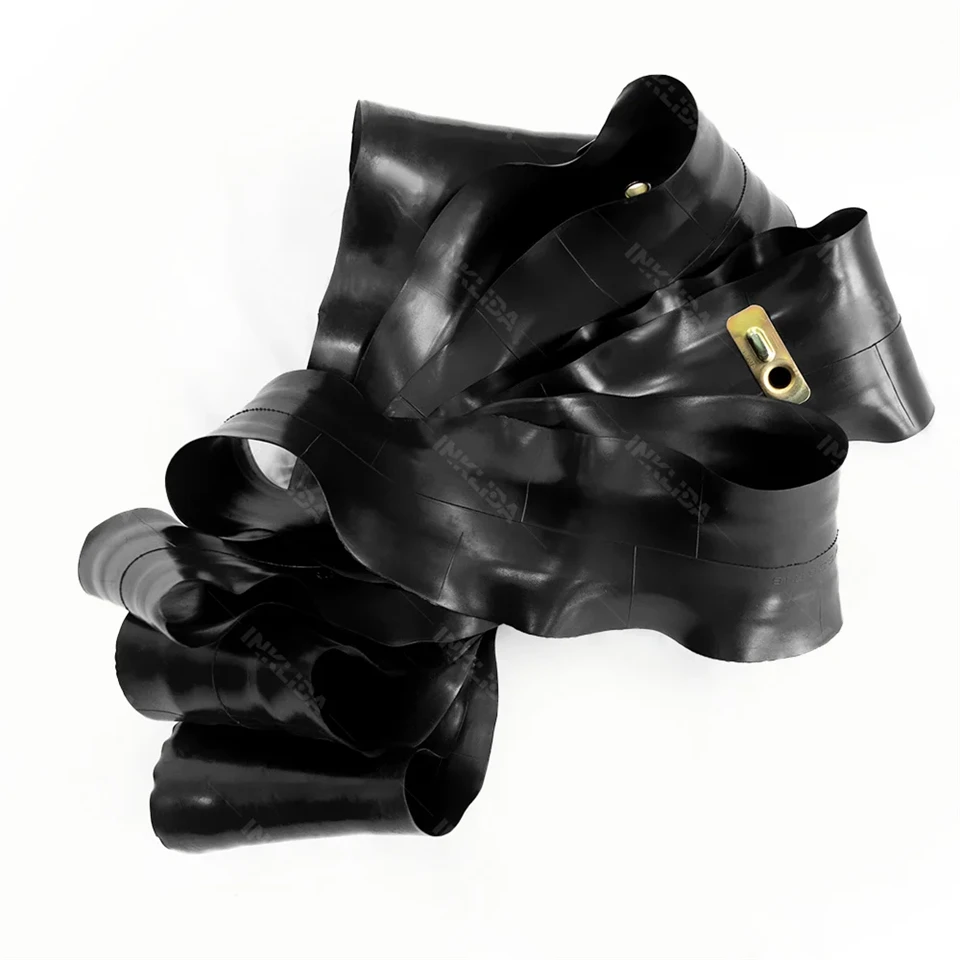
As a tire inner tube supplier, we offer a wide range of high-quality inner tubes in various sizes and specifications to meet the needs of our customers. Our Motorcycle Butyl Rubber Tube, Durable Industry Inner Tube, and Otr 17.5-25 Flap are all designed to provide optimal performance, safety, and durability. If you're in the market for a new inner tube, we encourage you to contact us to discuss your specific needs and to learn more about our products.
References
- Tire Industry Association. (n.d.). Tire Safety Handbook. Retrieved from [TIA Website]
- Rubber Manufacturers Association. (n.d.). Tire Safety Information. Retrieved from [RMA Website]
- National Highway Traffic Safety Administration. (n.d.). Tire Safety. Retrieved from [NHTSA Website]