

Hey there! I'm an industrial inner tube supplier, and I often get asked this question: Can industrial inner tubes be recycled? Let's dig into this topic and find out.
First off, let's talk about what industrial inner tubes are. They're used in all sorts of industrial vehicles, like forklifts. For example, our 650 - 10 Forklift Inner Tube is designed to fit specific forklift models, providing the necessary support and air retention. These inner tubes are made from rubber, which is a key factor when it comes to recycling.
Rubber, the main material of industrial inner tubes, is technically recyclable. But it's not as straightforward as recycling a plastic bottle. Rubber has a complex molecular structure. When it's used in industrial inner tubes, it goes through a vulcanization process. This process makes the rubber more durable and resistant to wear and tear, but it also makes it harder to break down for recycling.
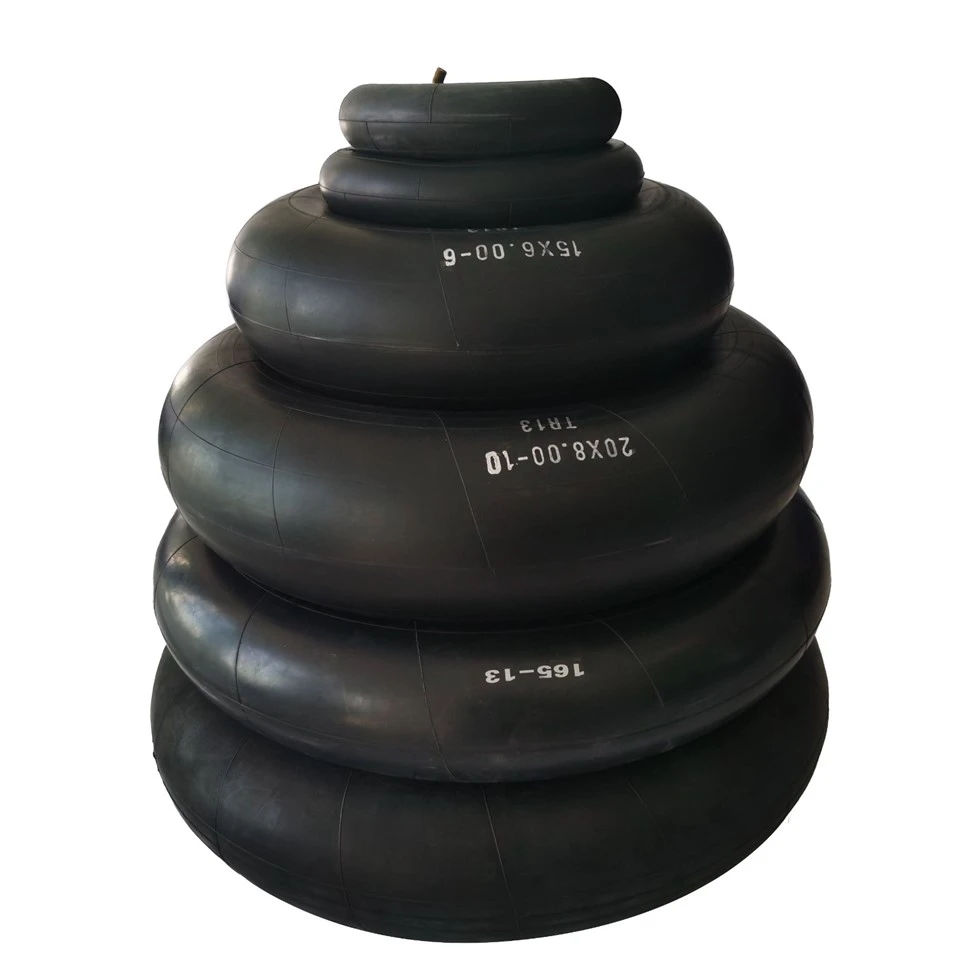
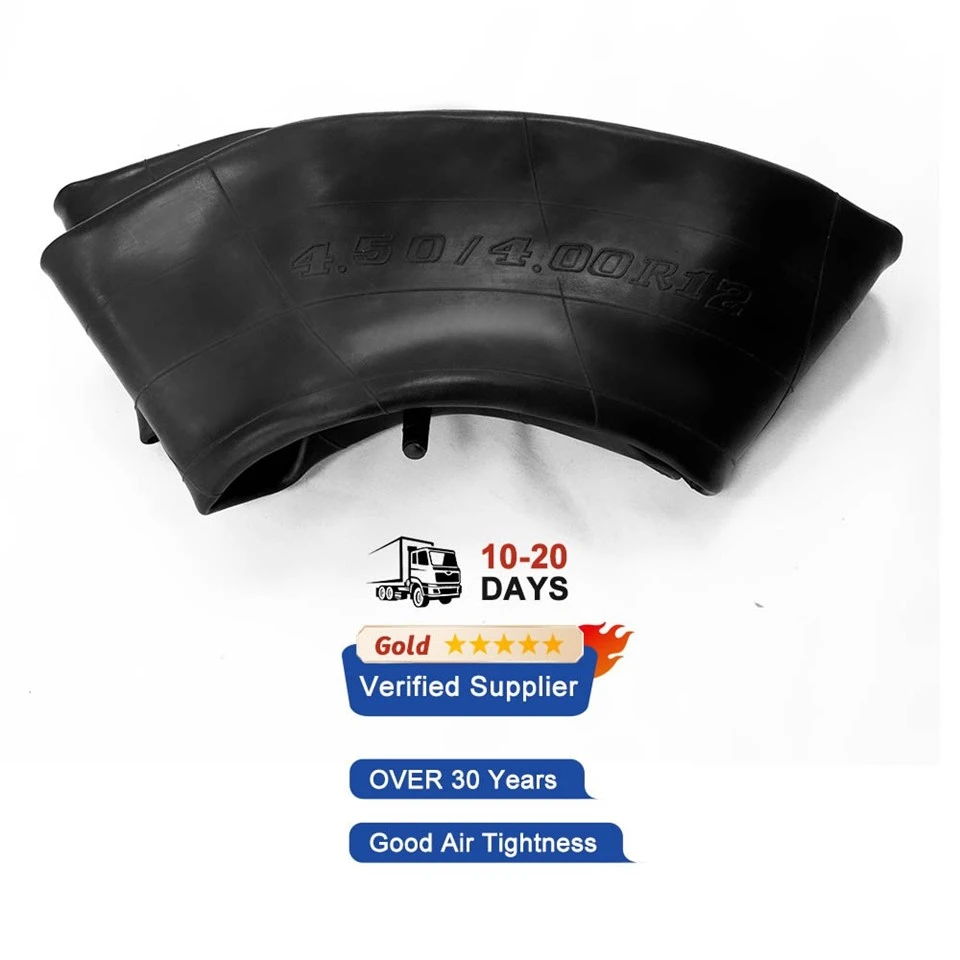
There are different types of recycling methods for rubber. One common method is mechanical recycling. In mechanical recycling, the used inner tubes are shredded into small pieces. These pieces can then be used in various applications. For instance, they can be mixed with new rubber to make new products. Our Industrial Vehicle Tire Inner Tube could potentially be recycled using this method. The shredded rubber can be used to make other rubber products, like mats or gaskets.
Another method is chemical recycling. Chemical recycling involves breaking down the rubber at a molecular level. This process can be more expensive and complex, but it can produce higher - quality recycled materials. However, not all recycling facilities have the technology or resources to carry out chemical recycling.
Now, let's look at the challenges of recycling industrial inner tubes. One of the biggest challenges is contamination. Industrial inner tubes are often exposed to oil, grease, and other chemicals during their use. These contaminants can make the recycling process more difficult and can also affect the quality of the recycled material.
Also, the cost of recycling can be a major hurdle. The process of collecting, transporting, and recycling industrial inner tubes can be expensive. And in some cases, the cost of recycling may be higher than the value of the recycled material. This can make it less attractive for recycling companies to take on the job.
But it's not all bad news. There are some benefits to recycling industrial inner tubes. Recycling helps to reduce the amount of waste that ends up in landfills. Industrial inner tubes can take up a lot of space in landfills, and they don't break down easily. By recycling them, we can free up landfill space and reduce environmental pollution.
Recycling also conserves natural resources. Rubber is made from natural rubber latex, which comes from rubber trees. By recycling used inner tubes, we can reduce the demand for new rubber production. This can help to protect rubber tree forests and the ecosystems they support.
As an industrial inner tube supplier, I'm committed to promoting recycling. We're constantly looking for ways to make our products more sustainable. For example, our Industrial Inner Tube 750 - 16 is designed with recyclability in mind. We're working with recycling partners to ensure that our used inner tubes are recycled in the most efficient and environmentally friendly way possible.
If you're a business that uses industrial inner tubes, you can also play a role in the recycling process. You can work with suppliers like us who are committed to recycling. You can also set up a proper collection system for your used inner tubes. This can make it easier for recycling companies to collect and process them.
In conclusion, industrial inner tubes can be recycled, but it's not without its challenges. The recycling process is complex, and there are costs and contamination issues to deal with. However, the benefits of recycling, such as waste reduction and resource conservation, make it worth the effort.
If you're interested in purchasing high - quality industrial inner tubes, or if you have any questions about our products and their recyclability, feel free to get in touch. We're always happy to talk about how we can meet your industrial inner tube needs while also being environmentally responsible.
References
- "Recycling of Rubber Products" - Rubber Recycling Association
- "Challenges and Opportunities in Tire Recycling" - Journal of Environmental Science and Technology