

Can industrial tire flaps be used on forestry vehicle tires? This is a question that often arises among forestry vehicle operators and those in the tire - related industry. As an industrial tire flap supplier, I have delved deep into this topic to provide a comprehensive answer.
Understanding Industrial Tire Flaps
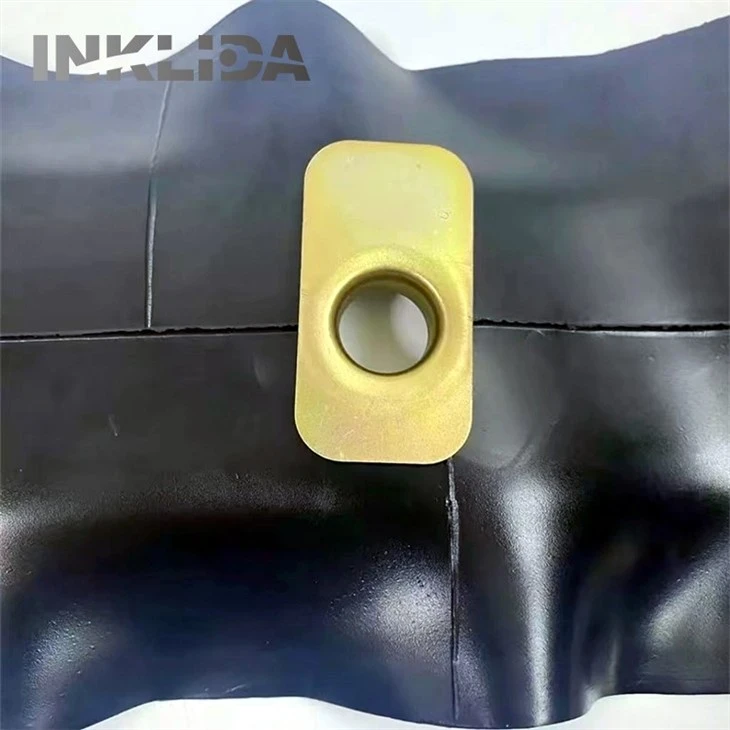
Industrial tire flaps are essential components designed to protect the inner tubes of tires. They act as a buffer between the inner tube and the rim, preventing abrasion, cuts, and other forms of damage. These flaps are typically made from high - quality rubber materials, which offer excellent durability and flexibility. For example, our Forklift Rubber Flap is crafted with precision to fit various industrial tires perfectly, ensuring maximum protection for the inner tubes.
The design of industrial tire flaps also takes into account factors such as heat resistance and resistance to chemicals. In industrial settings, tires are often exposed to high temperatures due to continuous operation, and chemicals may be present in the working environment. Our Hot Selling Factory High Quality Industrial Truck Forklift Tiye Flap 900/1000R20 is engineered to withstand these harsh conditions, providing long - lasting performance.

Forestry Vehicle Tires: A Unique Set of Requirements
Forestry vehicles operate in some of the most challenging terrains. They encounter rough, uneven ground, sharp rocks, and thick vegetation on a regular basis. These factors place unique demands on the tires of forestry vehicles. The tires need to have excellent traction, be resistant to punctures, and be able to handle heavy loads.
In addition, forestry vehicles are often used for long periods without frequent maintenance stops. This means that the tires and their components must be reliable and durable. For instance, when a forestry vehicle is deep in the forest, it may not be easy to access a maintenance facility quickly. Therefore, every part of the tire system, including the tire flaps, needs to be up to the task.
Analyzing the Feasibility of Using Industrial Tire Flaps on Forestry Vehicle Tires
Positive Aspects
- Protection against Abrasion: Industrial tire flaps can offer significant protection against abrasion. In forestry operations, the tires of vehicles can rub against rocks, tree stumps, and other rough surfaces. A well - designed industrial tire flap can act as a shield, reducing the wear and tear on the inner tube. Our Industrial Tyre Flap For Forklift has a tough rubber composition that can withstand the abrasive forces encountered in forestry environments.
- Cost - effectiveness: Compared to some specialized forestry tire flaps, industrial tire flaps are often more cost - effective. Forestry vehicle operators can save on costs by using industrial tire flaps without sacrificing too much in terms of performance. This is especially important for small - to - medium - sized forestry businesses that need to manage their budgets carefully.
- Availability: Industrial tire flaps are widely available in the market. As an industrial tire flap supplier, we have a large inventory of different sizes and types of flaps. This means that forestry vehicle operators can easily find a suitable industrial tire flap for their vehicles, reducing the downtime associated with waiting for a specialized part.
Negative Aspects
- Traction and Flexibility: Forestry vehicle tires require a high level of traction and flexibility to navigate through muddy, uneven, and slippery terrains. Some industrial tire flaps may be too rigid or may not provide the necessary flexibility, which could potentially affect the overall performance of the tire. For example, in deep mud, a rigid tire flap may not allow the tire to flex properly, reducing traction.
- Resistance to Vegetation - related Damage: Forestry environments are full of vegetation, including sharp branches and thorns. Industrial tire flaps may not be specifically designed to resist the unique types of damage caused by vegetation. Over time, these flaps may be punctured or torn by the vegetation, compromising the protection of the inner tube.
Case Studies and Real - World Experiences
To further understand the practicality of using industrial tire flaps on forestry vehicle tires, let's look at some case studies.
In a small - scale forestry operation in the Pacific Northwest, a forestry company decided to try using industrial tire flaps on their logging trucks. They initially noticed a reduction in inner tube damage due to the protection provided by the flaps. The cost savings were also significant, as they were able to purchase the industrial tire flaps at a lower price compared to specialized forestry tire flaps. However, after a few months of operation, they started to experience issues with the flaps getting caught on branches and being torn. This led to some instances of inner tube damage.
On the other hand, a medium - sized forestry business in the Midwest found that by carefully selecting industrial tire flaps with higher flexibility and better resistance to abrasion, they were able to use them successfully on their forestry skidders. These flaps provided adequate protection against rock abrasion and did not significantly affect the traction of the tires.
Mitigating the Risks
If forestry vehicle operators decide to use industrial tire flaps, there are several ways to mitigate the potential risks. 1. Proper Selection: Choose industrial tire flaps that are as flexible as possible while still maintaining their protective properties. Look for flaps with reinforced edges to resist tearing from vegetation. 2. Regular Inspections: Conduct regular inspections of the tire flaps. Check for signs of damage, such as cuts, tears, or excessive wear. Replace the flaps immediately if any damage is detected. 3. Customization: In some cases, it may be possible to customize industrial tire flaps to better suit the needs of forestry vehicles. This could involve adding extra layers of protection or modifying the shape of the flap.
Conclusion
In conclusion, industrial tire flaps can be used on forestry vehicle tires, but it is not a one - size - fits - all solution. There are both advantages and disadvantages to using industrial tire flaps in forestry applications. While they can offer protection against abrasion and are cost - effective and readily available, they may lack the specific features required for optimal performance in forestry environments.
If you are a forestry vehicle operator and are considering using industrial tire flaps, I encourage you to carefully evaluate your specific needs and the conditions in which your vehicles operate. As an industrial tire flap supplier, we are committed to providing high - quality products and professional advice. If you have any questions or would like to discuss your requirements further, please feel free to reach out to us for procurement and negotiation.
References
- Tire Engineering and Manufacture Handbook, Second Edition by Klaus - Jürgen Walter
- Forestry Equipment Maintenance and Operation Manuals