

Classic motorcycles hold a special place in the hearts of enthusiasts, with their timeless designs and unique charm. As a supplier of classic motorcycle tires, I've often been asked whether classic motorcycle tires have a different aging process compared to modern ones. In this blog post, we'll delve into the science behind tire aging, exploring the factors that influence it and the differences between classic and modern motorcycle tires.
Understanding Tire Aging
Tire aging is a complex process influenced by a variety of factors, including time, temperature, exposure to sunlight, and chemical reactions. Over time, these factors can cause the rubber in tires to degrade, leading to a loss of flexibility, strength, and overall performance. The aging process can also result in the formation of cracks, dry rot, and other visible signs of wear.
One of the primary factors contributing to tire aging is oxidation. When rubber is exposed to oxygen, it undergoes a chemical reaction that breaks down the polymer chains in the rubber, causing it to harden and become brittle. This process is accelerated by heat and sunlight, which can increase the rate of oxidation and cause the rubber to age more quickly.
Another factor that can affect tire aging is ozone exposure. Ozone is a highly reactive gas that can cause the rubber in tires to crack and deteriorate. This is particularly true for tires that are stored in areas with high levels of ozone, such as near industrial facilities or in areas with heavy traffic.
Classic Motorcycle Tires: A Different Aging Process?
Classic motorcycle tires are typically made from different materials and using different manufacturing processes than modern tires. In the past, tires were often made from natural rubber, which is more susceptible to aging and degradation than synthetic rubber. Natural rubber is also more prone to oxidation and ozone damage, which can cause it to crack and dry out over time.
In addition to the materials used, classic motorcycle tires were often designed with different tread patterns and construction techniques than modern tires. These differences can affect the way the tires age and perform over time. For example, classic tires may have a softer compound that provides better grip but wears out more quickly, while modern tires may have a harder compound that is more durable but provides less grip.
Another factor that can contribute to the different aging process of classic motorcycle tires is the way they are stored and maintained. Classic motorcycles are often stored for long periods of time, which can cause the tires to develop flat spots and other signs of wear. In addition, classic tires may not be maintained as regularly as modern tires, which can lead to a buildup of dirt, debris, and other contaminants that can accelerate the aging process.
Modern Motorcycle Tires: Advancements in Technology
Modern motorcycle tires have come a long way since the days of classic motorcycles. Thanks to advancements in technology and materials science, modern tires are designed to be more durable, reliable, and performance-oriented than ever before.
One of the key advancements in modern tire technology is the use of synthetic rubber. Synthetic rubber is a man-made material that is designed to mimic the properties of natural rubber while providing better resistance to aging and degradation. Synthetic rubber is also more resistant to oxidation and ozone damage, which can help to extend the life of the tires.
In addition to the use of synthetic rubber, modern motorcycle tires are often designed with advanced tread patterns and construction techniques that improve their performance and handling. For example, modern tires may have a more aggressive tread pattern that provides better grip in wet and dry conditions, or they may be constructed with multiple layers of rubber and other materials to improve their strength and durability.
Another factor that has contributed to the advancements in modern tire technology is the use of computer-aided design (CAD) and computer-aided manufacturing (CAM) techniques. These technologies allow tire manufacturers to design and produce tires with greater precision and accuracy, resulting in tires that are more consistent in quality and performance.
Comparing the Aging Process
When comparing the aging process of classic and modern motorcycle tires, it's important to consider the specific factors that can affect each type of tire. While classic tires may be more susceptible to aging and degradation due to the materials and manufacturing processes used, modern tires are not immune to the effects of time and environmental factors.
In general, classic motorcycle tires tend to age more quickly than modern tires. This is due in part to the use of natural rubber, which is more prone to oxidation and ozone damage. In addition, classic tires may not be designed with the same level of durability and performance as modern tires, which can make them more susceptible to wear and tear over time.
However, it's important to note that the aging process of both classic and modern motorcycle tires can be influenced by a variety of factors, including storage conditions, maintenance, and usage. By taking proper care of your tires and following the manufacturer's recommendations for maintenance and replacement, you can help to extend the life of your tires and ensure that they perform at their best.
Tips for Extending the Life of Your Tires
Whether you ride a classic or modern motorcycle, there are several steps you can take to extend the life of your tires and ensure that they perform at their best. Here are some tips to keep in mind:
- Store your motorcycle properly: When storing your motorcycle for an extended period of time, it's important to store it in a cool, dry place away from direct sunlight and ozone. You may also want to consider using a tire cover to protect the tires from dust, dirt, and other contaminants.
- Maintain proper tire pressure: Maintaining proper tire pressure is essential for ensuring the safety and performance of your tires. Check your tire pressure regularly and inflate your tires to the recommended pressure specified by the manufacturer.
- Rotate your tires regularly: Rotating your tires regularly can help to ensure even wear and extend the life of your tires. Check your owner's manual for the recommended tire rotation schedule for your motorcycle.
- Avoid overloading your motorcycle: Overloading your motorcycle can put extra stress on your tires and cause them to wear out more quickly. Make sure you do not exceed the maximum load capacity specified by the manufacturer.
- Replace your tires when necessary: Even with proper maintenance, tires will eventually wear out and need to be replaced. Check your tires regularly for signs of wear, such as cracks, cuts, or uneven tread wear. If you notice any of these signs, it's time to replace your tires.
Conclusion
In conclusion, classic motorcycle tires do have a different aging process than modern ones. The materials, manufacturing processes, and design of classic tires make them more susceptible to aging and degradation, while modern tires are designed to be more durable and performance-oriented. However, the aging process of both classic and modern tires can be influenced by a variety of factors, including storage conditions, maintenance, and usage.
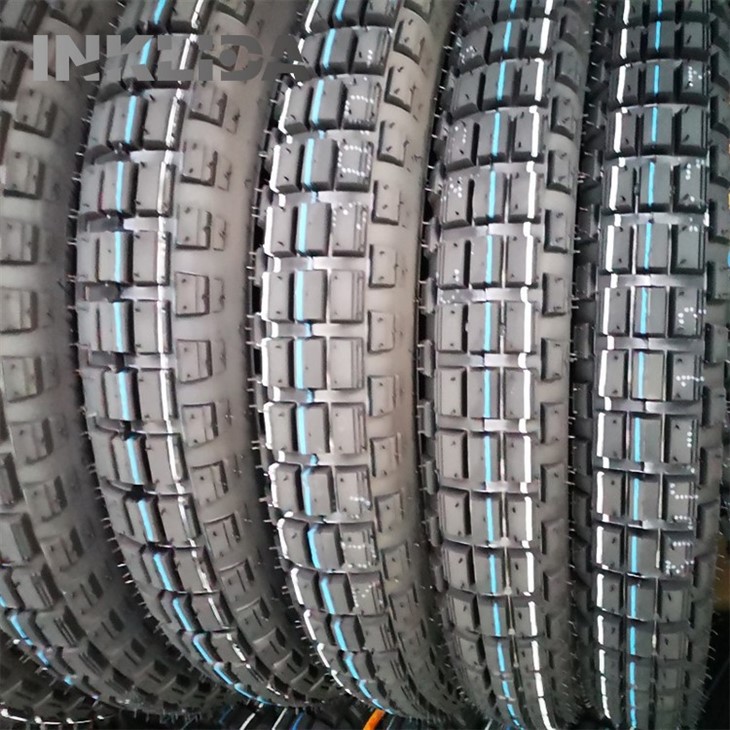
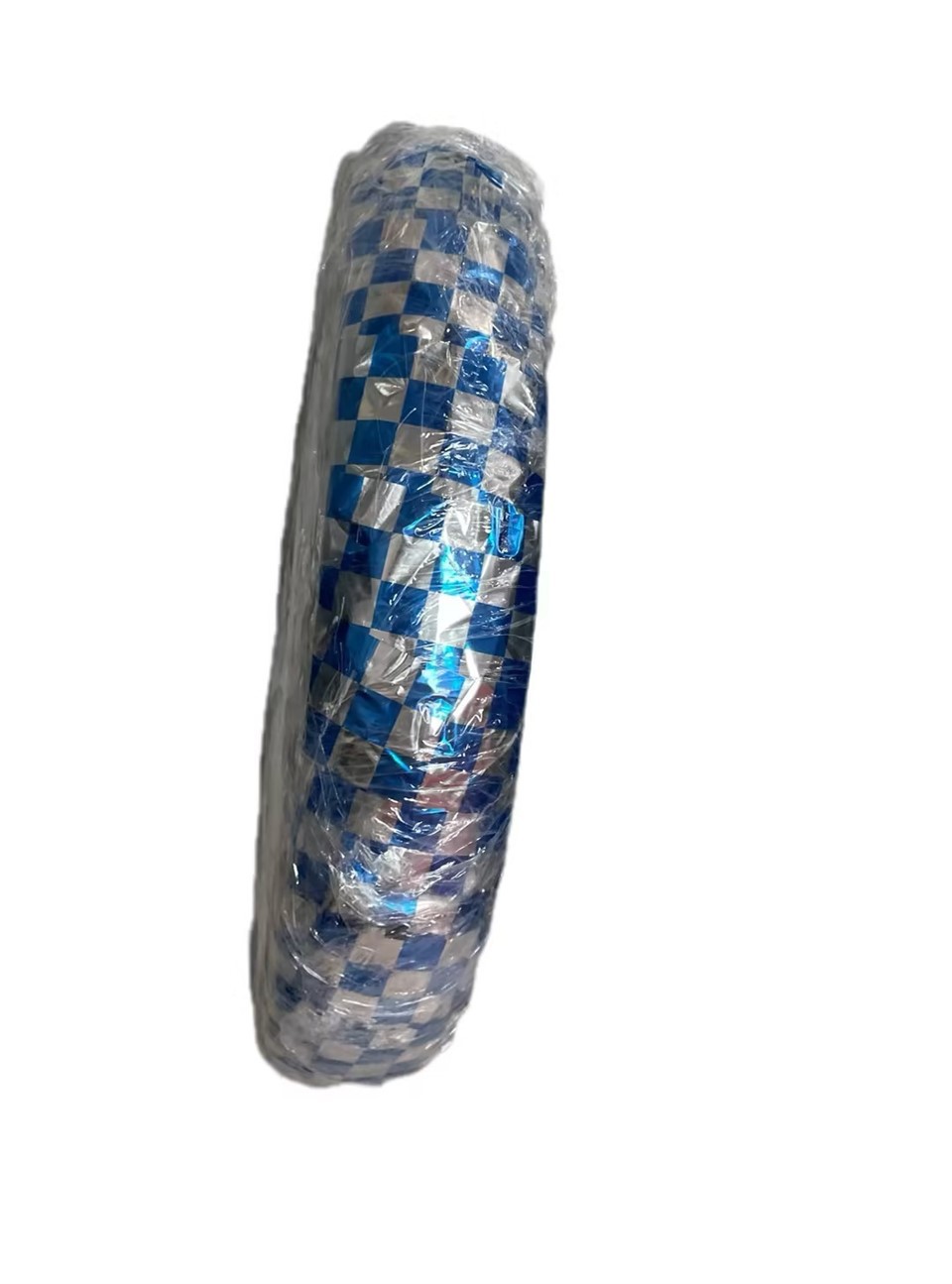
As a supplier of Classic Motorcycle Tire, I understand the importance of providing high-quality tires that are designed to meet the unique needs of classic motorcycle enthusiasts. Whether you're looking for Off Road Motorcycle Tyre or 90/90-18 Motorcycle Tire, I have a wide selection of tires to choose from.
If you have any questions about classic motorcycle tires or would like to discuss your specific needs, please feel free to contact me. I'm always happy to help and look forward to working with you to find the perfect tires for your classic motorcycle.
References
- Tire Aging and Degradation: A Review. Rubber Chemistry and Technology, Vol. 82, No. 4, 2009.
- The Effects of Ozone on Tire Rubber. Journal of Applied Polymer Science, Vol. 102, No. 6, 2006.
- Tire Technology Handbook. Third Edition. William H. Koch, 2006.