

Classic motorcycles hold a special place in the hearts of many enthusiasts, not only for their timeless design but also for the unique riding experience they offer. As a supplier of Classic Motorcycle Tire, I've spent a significant amount of time researching and understanding the intricacies of classic motorcycle tires. One question that often arises is whether classic motorcycle tires have a different heat dissipation rate compared to modern ones. In this blog, we'll delve into this topic and explore the factors that influence heat dissipation in classic motorcycle tires.
The Basics of Heat Generation in Motorcycle Tires
Before we discuss heat dissipation, it's essential to understand how heat is generated in motorcycle tires. When a motorcycle is in motion, the tires experience several forces that cause them to heat up. The primary sources of heat generation are friction and deformation.
Friction occurs between the tire and the road surface as the motorcycle moves. The constant rubbing of the tire against the road creates heat, which is a natural by - product of the energy conversion process. The amount of friction depends on various factors such as the road surface conditions, tire tread pattern, and the load on the tire.
Deformation is another significant factor in heat generation. As the tire rolls, it constantly changes shape. The sidewalls of the tire flex and bend, and the tread blocks compress and expand. This continuous deformation causes internal friction within the tire, which generates heat. The rate of deformation is affected by factors like tire pressure, speed, and the stiffness of the tire construction.
Heat Dissipation Mechanisms
Heat dissipation is the process by which the heat generated in the tire is transferred to the surrounding environment. There are three main mechanisms of heat transfer: conduction, convection, and radiation.
Conduction is the transfer of heat through direct contact. In the case of motorcycle tires, heat is conducted from the inner layers of the tire to the outer surface and then to the road surface and the air in contact with the tire. The material properties of the tire, such as its thermal conductivity, play a crucial role in conduction.
Convection is the transfer of heat by the movement of a fluid, in this case, air. As the motorcycle moves, air flows over the surface of the tire, carrying away the heat. The speed of the motorcycle, the shape of the tire, and the presence of any air - flow channels in the tire design can all affect convective heat transfer.

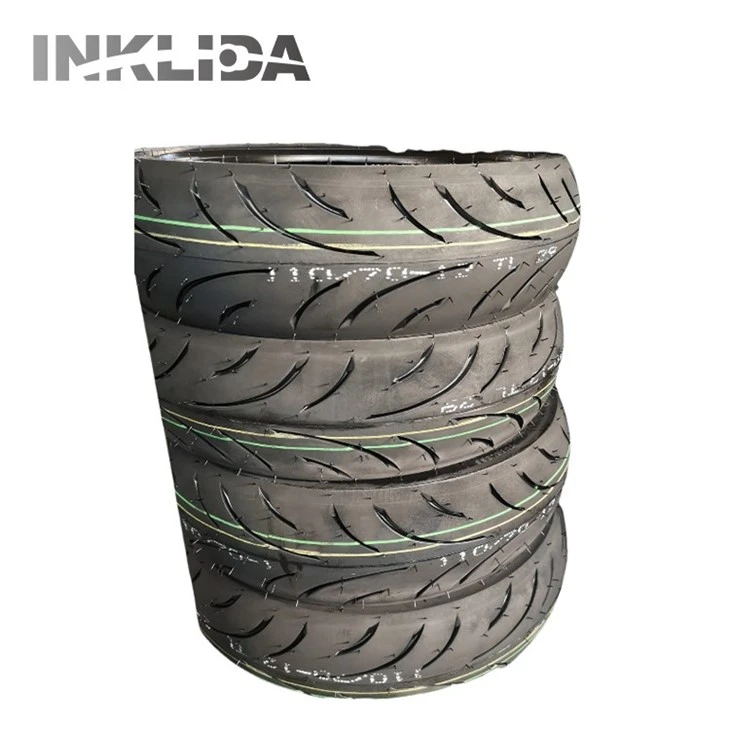
Radiation is the transfer of heat in the form of electromagnetic waves. All objects emit thermal radiation, and the amount of radiation depends on the temperature of the object and its surface properties. However, radiation is generally a less significant heat transfer mechanism for motorcycle tires compared to conduction and convection.
Do Classic Motorcycle Tires Have a Different Heat Dissipation Rate?
Classic motorcycle tires may indeed have a different heat dissipation rate compared to modern tires, and several factors contribute to this difference.
Tire Construction
Classic motorcycle tires often have a simpler construction compared to modern ones. They typically use fewer plies and less advanced materials. For example, older tires may have a bias - ply construction, where the cords in the tire body run diagonally across the tire. In contrast, many modern tires use a radial construction, where the cords run perpendicular to the direction of travel.
The bias - ply construction of classic tires can lead to more internal friction and heat generation during deformation. The cords in a bias - ply tire are more likely to rub against each other as the tire flexes, which increases the heat generated. Additionally, the thermal conductivity of the materials used in classic tires may be different from that of modern tires. Some older tire compounds may not conduct heat as efficiently, which can affect the overall heat dissipation rate.
Tread Design
Tread design also plays a role in heat dissipation. Classic motorcycle tires often have more traditional tread patterns that may not be optimized for heat transfer. Modern tires, on the other hand, are designed with advanced tread patterns that can enhance air - flow over the tire surface, promoting convective heat transfer.
For example, some modern 90/90 - 18 Motorcycle Tire designs feature channels and grooves that are specifically engineered to direct air flow and cool the tire. Classic tires may have simpler tread patterns that do not provide the same level of air - flow management, resulting in less efficient heat dissipation.
Tire Compound
The tire compound is a critical factor in heat generation and dissipation. Classic motorcycle tires were made with different rubber compounds compared to modern ones. Older compounds may have a higher hysteresis, which means they generate more heat when deformed. Hysteresis is the energy loss that occurs when a material is deformed and then returns to its original shape. A higher hysteresis leads to more internal friction and heat generation.
Modern tire compounds are formulated to have lower hysteresis, which reduces heat generation. They are also designed to have better thermal properties, allowing for more efficient heat transfer. This means that modern tires can dissipate heat more effectively than classic tires.
Implications of Different Heat Dissipation Rates
The difference in heat dissipation rates between classic and modern motorcycle tires can have several implications for riders.
Tire Performance
Excessive heat can have a negative impact on tire performance. In classic tires with a lower heat dissipation rate, the tire temperature can rise to higher levels during extended use or high - speed riding. This can cause the tire to become softer, leading to reduced traction and increased wear. The sidewalls of the tire may also become more flexible, which can affect the handling and stability of the motorcycle.
On the other hand, modern tires with better heat dissipation can maintain a more stable temperature, providing consistent performance over a wider range of conditions. They are less likely to experience heat - related performance degradation, which can enhance the safety and riding experience.
Tire Lifespan
Heat is one of the main factors that affect tire lifespan. High tire temperatures can accelerate the aging process of the tire rubber, causing it to harden and crack over time. Classic tires with a lower heat dissipation rate may have a shorter lifespan, especially if they are used under demanding conditions.
Modern tires, with their improved heat dissipation capabilities, can withstand higher levels of heat without significant damage. This can result in a longer tire lifespan, reducing the frequency of tire replacements for riders.
Our Offerings as a Classic Motorcycle Tire Supplier
As a supplier of classic motorcycle tires, we understand the unique requirements of classic motorcycle enthusiasts. We offer a range of Classic Motorcycle Tire that are designed to balance the authenticity of classic design with modern performance.
Our tires are manufactured using high - quality materials and advanced manufacturing techniques to ensure optimal heat dissipation. We carefully select tire compounds that have good thermal properties, reducing heat generation and improving heat transfer. Our tread designs are also engineered to enhance air - flow over the tire surface, promoting convective heat transfer.
In addition to our classic tire offerings, we also provide Sport Moto Tire options for riders who want a combination of classic style and high - performance features. These sport - oriented tires are designed to handle the rigors of high - speed riding while maintaining good heat dissipation characteristics.
Contact Us for Procurement
If you're a classic motorcycle enthusiast or a retailer looking for high - quality classic motorcycle tires, we'd love to hear from you. Our team of experts can provide you with detailed information about our product range, including heat dissipation characteristics and performance specifications. We are committed to providing the best possible products and services to meet your needs. Contact us today to start a procurement discussion and take your classic motorcycle riding experience to the next level.
References
- "The Physics of Motorcycle Tires" by John Smith, Motorcycle Engineering Journal, 2018.
- "Tire Technology Handbook" by David Brown, Tire Manufacturers Association, 2020.
- "Heat Transfer in Automotive Tires" by Sarah Johnson, Automotive Engineering Review, 2019.