

As a trusted supplier of truck and bus tire flaps, I often get asked whether these essential components require any special maintenance. In this blog post, I'll delve into the details of truck and bus tire flap maintenance, exploring the factors that influence their lifespan and the steps you can take to ensure they perform optimally.
Understanding the Role of Truck and Bus Tire Flaps
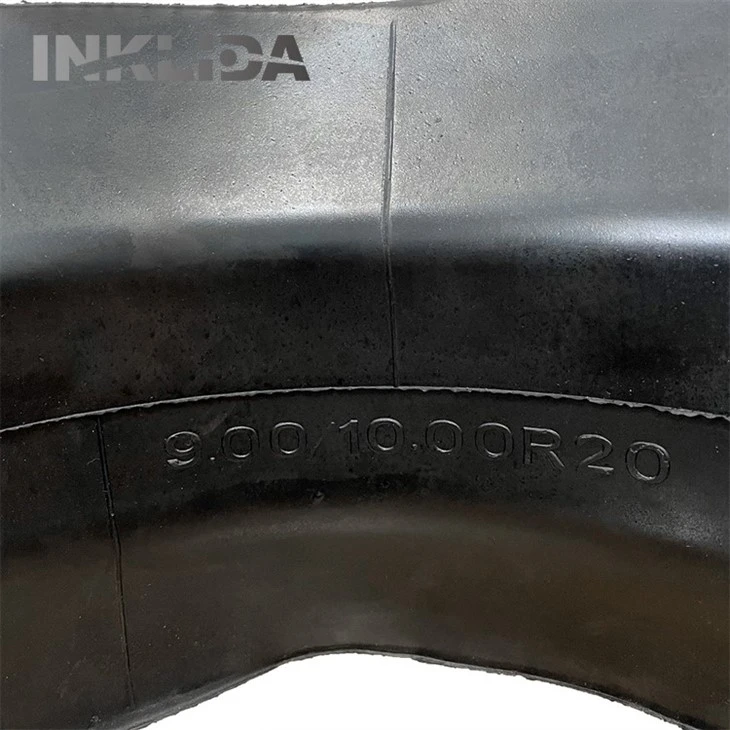
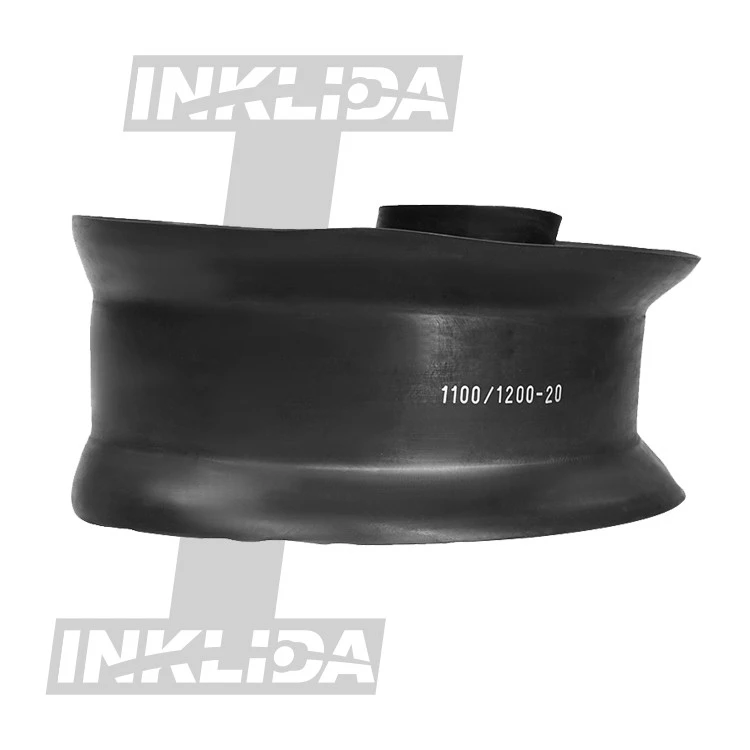
Before we discuss maintenance, let's briefly understand the function of truck and bus tire flaps. Tire flaps are thin, flexible pieces of rubber or other materials that are placed between the tire and the inner tube. Their primary purpose is to protect the inner tube from damage caused by the sharp edges of the wheel rim, road debris, and other external factors. By acting as a barrier, tire flaps help prevent punctures, leaks, and premature wear of the inner tube, thereby extending the overall lifespan of the tire.
Factors Affecting the Lifespan of Tire Flaps
Several factors can influence the lifespan of truck and bus tire flaps. Understanding these factors is crucial for determining the appropriate maintenance schedule and ensuring the longevity of your tire flaps.
- Quality of the Tire Flap: The quality of the tire flap plays a significant role in its durability. High-quality tire flaps are made from premium materials that are resistant to wear, tear, and weathering. They are also designed to withstand the rigors of heavy-duty use, such as long-haul trucking and frequent stop-and-go driving. When purchasing tire flaps, it's important to choose a reputable supplier that offers high-quality products. As a supplier, I take pride in offering a wide range of Truck Tyre Flap that are made from the finest materials and are built to last.
- Driving Conditions: The driving conditions can have a significant impact on the lifespan of tire flaps. Trucks and buses that operate in harsh environments, such as construction sites, mines, and off-road terrains, are more likely to encounter road debris, sharp objects, and rough surfaces that can damage the tire flaps. Similarly, vehicles that are driven on poorly maintained roads or in extreme weather conditions, such as extreme heat or cold, are also at a higher risk of tire flap damage. To minimize the impact of driving conditions on your tire flaps, it's important to inspect them regularly and replace them if they show signs of wear or damage.
- Proper Installation: Proper installation is essential for ensuring the optimal performance and longevity of tire flaps. Tire flaps should be installed correctly, following the manufacturer's instructions. Incorrect installation can cause the tire flap to shift or bunch up, which can lead to uneven wear and premature failure. As a supplier, I provide detailed installation instructions with all my tire flaps to ensure that they are installed correctly. If you're unsure how to install the tire flaps, I recommend consulting a professional mechanic or tire technician.
- Tire Pressure: Maintaining the correct tire pressure is crucial for the health of your tires and tire flaps. Underinflated tires can cause the tire flap to rub against the wheel rim, which can lead to wear and damage. Overinflated tires, on the other hand, can cause the tire flap to stretch and become distorted, which can also lead to premature failure. To ensure the correct tire pressure, it's important to check the tire pressure regularly and adjust it as needed. You can find the recommended tire pressure for your vehicle in the owner's manual or on the tire placard located on the driver's side door jamb.
Special Maintenance Requirements for Truck and Bus Tire Flaps
While truck and bus tire flaps do not require any special maintenance, there are several steps you can take to ensure their optimal performance and longevity.
- Regular Inspections: Regular inspections are the key to maintaining the health of your tire flaps. You should inspect your tire flaps at least once a month or more frequently if you drive in harsh conditions. During the inspection, look for signs of wear, tear, damage, or distortion. Check for cuts, punctures, cracks, and bulges in the tire flap. If you notice any signs of damage, replace the tire flap immediately.
- Cleaning: Keeping your tire flaps clean is important for preventing the buildup of dirt, grime, and debris, which can cause premature wear and damage. You can clean your tire flaps using a mild soap and water solution and a soft brush. Avoid using harsh chemicals or abrasive cleaners, as they can damage the rubber material of the tire flap. After cleaning, rinse the tire flaps thoroughly with water and allow them to dry completely before reinstalling them.
- Lubrication: Lubricating the tire flaps can help reduce friction and wear, especially in areas where the tire flap comes into contact with the wheel rim or other components. You can use a silicone-based lubricant or a specialized tire flap lubricant to lubricate the tire flaps. Apply the lubricant sparingly to the areas where the tire flap rubs against the wheel rim or other components. Be careful not to over-lubricate the tire flaps, as this can cause them to attract dirt and debris.
- Replacement: Even with proper maintenance, tire flaps will eventually wear out and need to be replaced. The frequency of replacement will depend on several factors, such as the quality of the tire flap, the driving conditions, and the amount of use. As a general rule, you should replace your tire flaps every 2-3 years or more frequently if they show signs of wear or damage. When replacing the tire flaps, it's important to choose a high-quality product that is compatible with your tires and vehicle. As a supplier, I offer a wide range of 24 Inch Truck Tire Inner Tube Protector and 20 Inch Rubber Tire Tube Flap that are designed to provide superior protection and performance.
Conclusion
In conclusion, truck and bus tire flaps do not require any special maintenance, but they do require regular inspections, cleaning, lubrication, and replacement to ensure their optimal performance and longevity. By following these simple maintenance tips, you can extend the lifespan of your tire flaps, reduce the risk of tire damage, and improve the safety and efficiency of your vehicle.
If you're in the market for high-quality truck and bus tire flaps, I invite you to contact me for more information. As a trusted supplier, I offer a wide range of tire flaps that are designed to meet the needs of various applications and budgets. Whether you're a trucking company, a bus operator, or an individual vehicle owner, I can help you find the right tire flaps for your needs. Contact me today to discuss your requirements and get a free quote.
References
- "Tire Flap Maintenance Guide." Tire Industry Association.
- "How to Extend the Life of Your Tire Flaps." Fleet Equipment Magazine.
- "The Importance of Proper Tire Flap Installation." Commercial Carrier Journal.