

As a supplier of semi - truck inner tubes, I've encountered numerous inquiries regarding the adjustment of air pressure in semi - truck inner tubes for different loads. This is a crucial aspect that directly impacts the safety, performance, and longevity of the tires. In this blog, I'll share some in - depth knowledge on how to properly adjust the air pressure according to various loads.
Understanding the Basics of Air Pressure in Semi - Truck Inner Tubes
Before delving into the adjustment process, it's essential to understand why air pressure matters so much. The air pressure in a semi - truck inner tube serves multiple purposes. Firstly, it supports the weight of the truck and its load. Secondly, it provides a cushioning effect, reducing the impact of road irregularities on the vehicle and its cargo. Thirdly, proper air pressure ensures even tire wear, which extends the lifespan of the tires.
When the air pressure is too low, the tire will flex more than it should. This excessive flexing generates heat, which can lead to tire failure, such as a blowout. Moreover, under - inflated tires have a larger contact area with the road, increasing rolling resistance. This, in turn, reduces fuel efficiency and causes uneven wear on the tire edges.
On the other hand, over - inflated tires have a smaller contact area with the road. This reduces traction, making it more difficult to control the vehicle, especially in wet or slippery conditions. Over - inflation also makes the tire more prone to damage from road hazards, as it has less ability to absorb shocks.
Factors Affecting Air Pressure Requirements
Several factors influence the ideal air pressure for a semi - truck inner tube, with the load being the most significant one. Other factors include tire size, vehicle speed, road conditions, and ambient temperature.
Load
The weight of the truck and its cargo is the primary determinant of the required air pressure. Heavier loads demand higher air pressure to support the weight and prevent excessive tire flexing. For example, a semi - truck carrying a full load of construction materials will need a much higher air pressure in its inner tubes compared to the same truck when it's empty.
Tire Size
Different tire sizes have different load - carrying capacities and air pressure requirements. Larger tires generally have a higher load - carrying capacity and may require higher air pressure. For instance, the 1400R20 Inner Tube For Heavy Truck Tire is designed for heavy - duty applications and will have specific air pressure guidelines based on its size and construction.
Vehicle Speed
Higher speeds generate more heat in the tires. To compensate for this, slightly higher air pressure may be required when the truck is traveling at high speeds for an extended period. However, it's important not to over - inflate the tires, as this can still lead to handling issues.
Road Conditions
Rough roads or roads with potholes and bumps require a more flexible tire to absorb the shocks. In such cases, the air pressure may need to be adjusted slightly lower to provide a better cushioning effect. Conversely, smooth highways may allow for slightly higher air pressure.
Ambient Temperature
Air pressure changes with temperature. As the temperature rises, the air inside the tire expands, increasing the air pressure. Conversely, in cold weather, the air contracts, and the air pressure drops. It's important to check and adjust the air pressure regularly, especially when there are significant temperature changes.
Steps to Adjust Air Pressure for Different Loads
Step 1: Determine the Load
The first step is to accurately determine the weight of the truck and its cargo. This can be done using a weigh - station or by referring to the shipping documents if the cargo weight is known. Make sure to account for the weight of the truck itself, including fuel, passengers, and any equipment on board.
Step 2: Consult the Tire Manufacturer's Guidelines
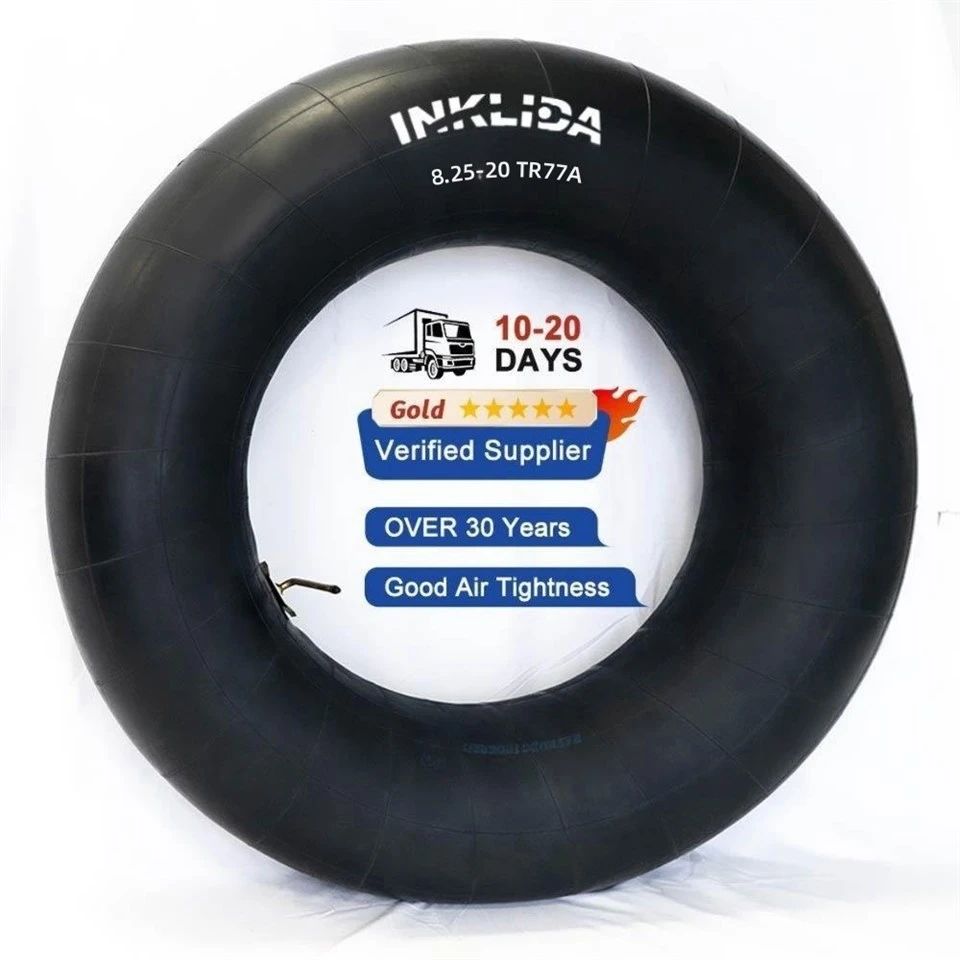
Every tire has a recommended air pressure range provided by the manufacturer. This information can usually be found on the tire sidewall or in the vehicle's owner's manual. The guidelines are based on the tire's size, load - carrying capacity, and other factors. For example, if you're using Truck Tyre Inner Tube 825 - 20, refer to the specific air pressure recommendations for this tire size.
Step 3: Calculate the Required Air Pressure
Based on the load and the tire manufacturer's guidelines, calculate the appropriate air pressure. In general, for every additional 1000 pounds of load, you may need to increase the air pressure by a certain amount (this amount can vary depending on the tire). Some tire manufacturers provide load - inflation tables that can help you make this calculation more accurately.
Step 4: Check the Current Air Pressure
Use a reliable tire pressure gauge to check the current air pressure in each inner tube. Make sure to check the pressure when the tires are cold, as the pressure can increase significantly when the tires are hot from driving.
Step 5: Adjust the Air Pressure
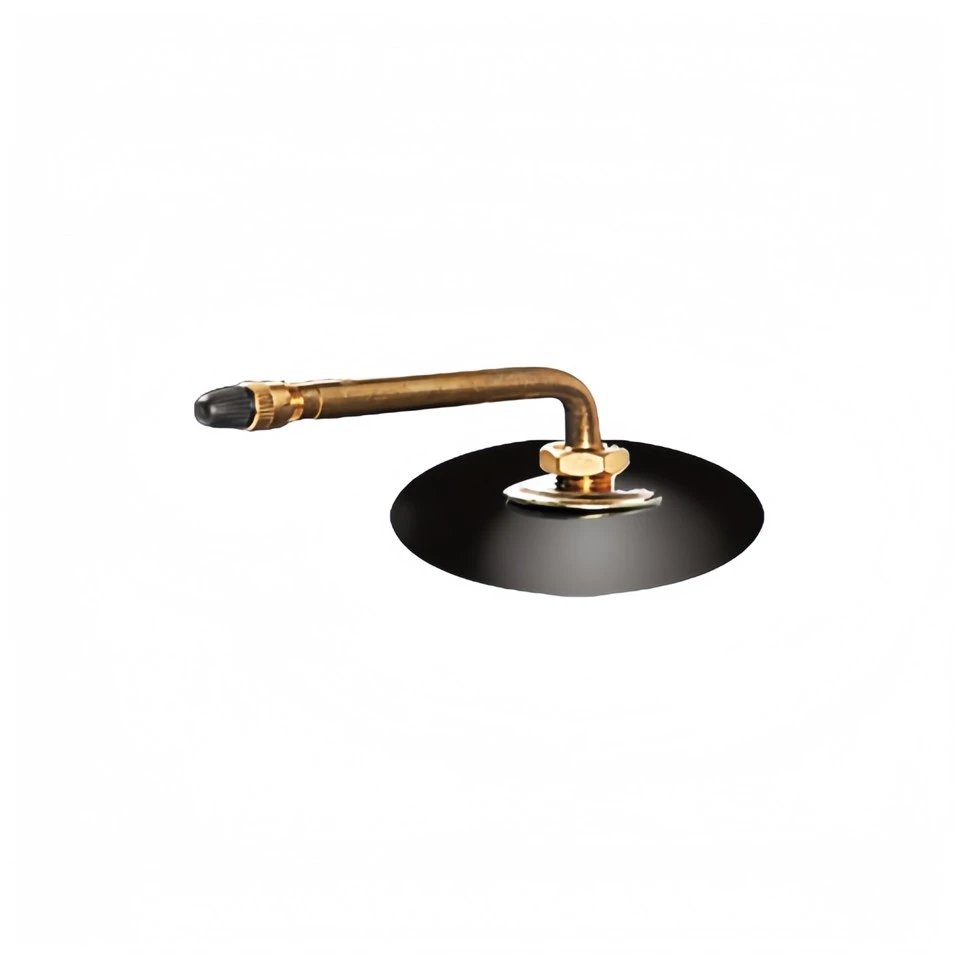
If the current air pressure is lower than the required pressure, add air using an air compressor. If it's higher, release some air by pressing the valve stem with a small tool. Check the pressure frequently during the adjustment process to ensure you reach the correct level.
Step 6: Re - check the Pressure
After adjusting the air pressure, re - check it to confirm that it's within the recommended range. It's also a good idea to check the pressure again after a short drive to ensure that the pressure remains stable.
Monitoring and Maintenance
Adjusting the air pressure is not a one - time task. It's important to monitor the air pressure regularly to ensure that it remains at the appropriate level. A good practice is to check the air pressure at least once a week or before every long trip.
In addition to regular pressure checks, proper tire maintenance is crucial. This includes rotating the tires regularly to ensure even wear, inspecting the tires for signs of damage or wear, and keeping the tires clean.
Conclusion
Properly adjusting the air pressure in semi - truck inner tubes for different loads is essential for the safety, performance, and longevity of the tires. By understanding the factors that affect air pressure requirements and following the steps outlined above, you can ensure that your semi - truck tires are operating at their best.
If you're in the market for high - quality semi - truck inner tubes, we're here to help. We offer a wide range of products, including 825 - 20 Truck Inner Tubes and 1400R20 Inner Tube For Heavy Truck Tire. Contact us for more information and to discuss your specific needs. We're committed to providing you with the best products and services to keep your trucks on the road safely.
References
- "Tire and Rim Association Yearbook", The Tire and Rim Association, Inc.
- "Commercial Vehicle Tire Maintenance Guide", Various tire manufacturers.