

Hey there, fellow truck enthusiasts! As a supplier of semi truck inner tubes, I've seen it all when it comes to these essential components. Installing a new inner tube in your semi truck isn't just about popping it in and hitting the road. A proper inspection before installation can save you a ton of headaches down the line. So, let's dive into how I inspect a new semi truck inner tube before installation.
First Look: The Outer Appearance
When I get a new batch of inner tubes, the first thing I do is give them a good once - over. I start by looking at the outer surface. You want to check for any obvious signs of damage like cuts, abrasions, or punctures. Even a tiny cut can lead to a slow leak or, worse, a sudden blowout on the highway.
I also look for any bulges or irregularities. A bulge could indicate a weak spot in the tube, which might burst under pressure. Sometimes, these bulges can be caused by manufacturing defects. If I spot a bulge, I set that tube aside right away because it's not going to be reliable.
Another thing to check is the valve stem. It should be straight and firmly attached to the tube. A bent or loose valve stem can make it difficult to inflate or deflate the tube, and it might also lead to air leakage. I give the valve stem a gentle tug to make sure it's secure.
Measuring the Dimensions
Next up, I measure the dimensions of the inner tube. It's crucial that the tube fits properly inside the tire. I use a measuring tape to check the diameter and width of the tube. If the tube is too big or too small, it won't work correctly.
For example, if the tube is too small, it might not fill the tire completely, which can cause uneven wear and tear on the tire. On the other hand, if it's too big, it could get pinched or folded inside the tire, leading to damage. I always refer to the manufacturer's specifications to make sure the tube I'm inspecting meets the right dimensions.
Checking the Material Quality
The quality of the material used to make the inner tube is super important. I can tell a lot about the tube just by feeling it. A high - quality inner tube should be made of a strong and flexible rubber. It should feel smooth and have a consistent texture.
If the rubber feels brittle or has a rough texture, it might be a sign of poor quality or improper storage. Brittle rubber is more likely to crack under pressure, especially in extreme temperatures. I also check for any signs of discoloration or mold. These can indicate that the tube has been stored in a damp or dirty environment, which can affect its performance.
Inflation Test
One of the most important steps in the inspection process is the inflation test. I inflate the inner tube to the recommended pressure, which is usually printed on the tube itself. I use a reliable air compressor and a pressure gauge to make sure I'm inflating it to the right level.
As the tube inflates, I keep a close eye on it. I'm looking for any signs of air leakage. I can usually hear a hissing sound if there's a leak, but I also use a soapy water solution to double - check. I spray the soapy water all over the tube, and if there are any bubbles forming, that means there's a leak.
I also watch for how the tube expands. It should inflate evenly without any lumps or twists. If the tube starts to bulge in one area or looks misshapen as it inflates, it's a red flag. This could be a sign of a manufacturing defect or internal damage.
Compatibility with the Tire
Before I finalize the inspection, I need to make sure the inner tube is compatible with the tire. Different semi truck tires have different requirements, and not all inner tubes are suitable for every tire.
I check the tire's specifications, such as the size, load capacity, and speed rating. The inner tube should be able to handle the same load and speed as the tire. For example, if you have a high - performance tire that's designed for long - distance hauling at high speeds, you need an inner tube that can withstand those conditions.
It's also important to consider the type of tire. Some tires are designed for specific applications, like Truck Inner Tube for Floating. These require inner tubes that are specifically designed to work with floating tires.
Importance of a Thorough Inspection
You might be wondering why all these steps are so important. Well, a poorly inspected inner tube can lead to all sorts of problems. A flat tire on the road can be dangerous, especially when you're driving a large semi truck. It can cause accidents, delays, and costly repairs.
By taking the time to inspect the inner tube before installation, you can ensure that your truck is safe and reliable. You'll also save money in the long run by avoiding unnecessary repairs and replacements.
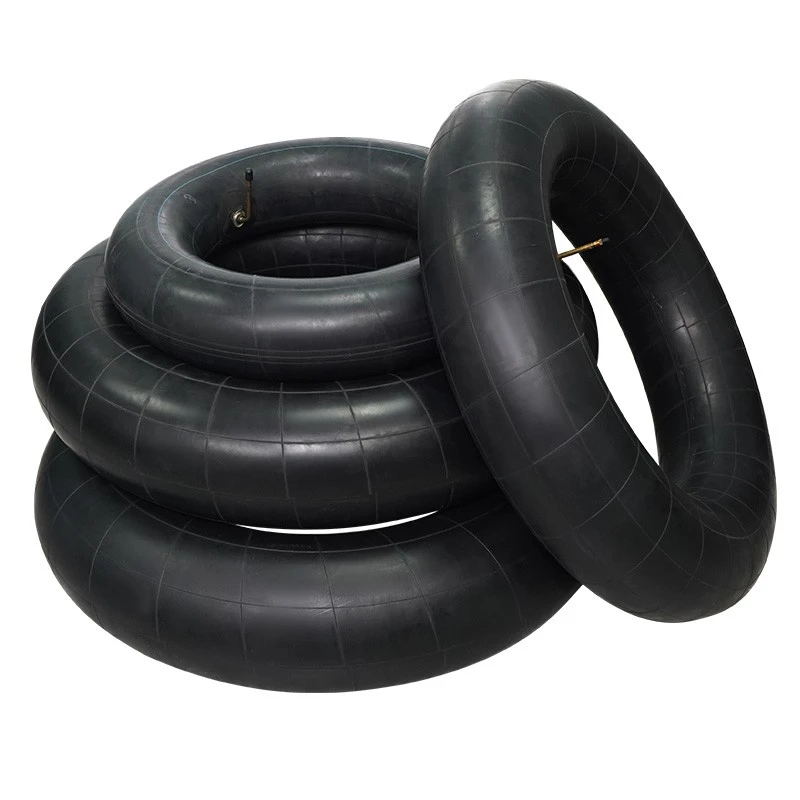
Different Types of Inner Tubes
There are different types of semi truck inner tubes available in the market. For example, 750 - 16 Truck Inner Tubes are commonly used in many semi trucks. These tubes are designed to fit tires with a specific size and load capacity.
Another type is the 20 Truck Inner Tube. Each type has its own unique features and requirements, so it's important to choose the right one for your truck.
Conclusion
Inspecting a new semi truck inner tube before installation is a crucial step that shouldn't be skipped. By following these steps, you can ensure that you're installing a high - quality, reliable inner tube that will keep your truck running smoothly.
If you're in the market for semi truck inner tubes, I'd love to help you find the perfect ones for your needs. Whether you're looking for a specific type or just need some advice, feel free to reach out and start a conversation. We can discuss your requirements and find the best solution for your truck.
References
- General knowledge from years of experience as a semi truck inner tube supplier.
- Manufacturer's specifications and guidelines for semi truck inner tubes.