

As a motorcycle inner tube supplier, I often encounter customers who are unsure whether their motorcycle inner tubes have a slow leak. A slow leak can be a frustrating issue, as it may not be immediately obvious but can gradually lead to decreased tire pressure and potential safety hazards. In this blog post, I'll share some practical ways to determine if your motorcycle inner tube has a slow leak.
Visual Inspection
The first and simplest method is a visual inspection. Start by thoroughly examining the outer surface of the tire. Look for any visible signs of damage such as cuts, punctures, or abrasions. Sometimes, a small nail or piece of glass might be embedded in the tire, which can cause a slow leak.
Check around the valve stem as well. A loose or damaged valve stem can be a common source of air leakage. Make sure the valve cap is tightly screwed on. If the valve stem appears to be cracked or damaged, it's likely that air is escaping slowly.
However, keep in mind that a visual inspection may not always reveal the problem. Some leaks can occur from within the inner tube, where there are no visible signs on the outside of the tire.
Soapy Water Test
One of the most effective ways to detect a slow leak is by using the soapy water test. This method is simple and can help you pinpoint the exact location of the leak.
First, prepare a solution of soapy water. You can use dish soap and water in a spray bottle or a large container. Remove the inner tube from the tire if possible. If you can't remove it, you can still perform the test with the tube inside the tire, but it may be a bit more challenging.
Inflate the inner tube to its recommended pressure. Then, apply the soapy water solution generously all over the surface of the inner tube, including the valve stem. If there is a leak, you will see bubbles forming at the site of the leak. The bubbles will indicate the exact location where air is escaping.
This test is highly accurate and can detect even the tiniest of leaks. It's a great way to confirm if your inner tube has a problem and where the problem is located.
Pressure Monitoring
Regularly monitoring the tire pressure is another important step in detecting a slow leak. Invest in a good quality tire pressure gauge. Check the tire pressure at least once a week, or more frequently if you ride your motorcycle often.
Compare the readings over time. If you notice that the tire pressure is consistently dropping more quickly than normal, it could be a sign of a slow leak. Keep in mind that tire pressure can naturally decrease over time due to temperature changes, but a significant and consistent drop in pressure is a cause for concern.
It's also important to know the recommended tire pressure for your motorcycle. This information can usually be found in the owner's manual or on a sticker located on the motorcycle frame. Maintaining the correct tire pressure not only helps prevent slow leaks but also ensures optimal performance and safety.
Squeezing the Tire
If you suspect a slow leak but can't find it through visual inspection or the soapy water test, you can try squeezing the tire. This method is more of a last resort and may not be as accurate as the other methods.
Gently squeeze different parts of the tire while listening carefully for any hissing sounds. A hissing sound indicates that air is escaping from the inner tube. However, it can be difficult to detect a slow leak this way, especially if the leak is very small.
Common Causes of Slow Leaks
Now that you know how to detect a slow leak, it's important to understand some of the common causes. As mentioned earlier, a damaged valve stem is a common culprit. Over time, the valve stem can wear out or become damaged due to normal use.
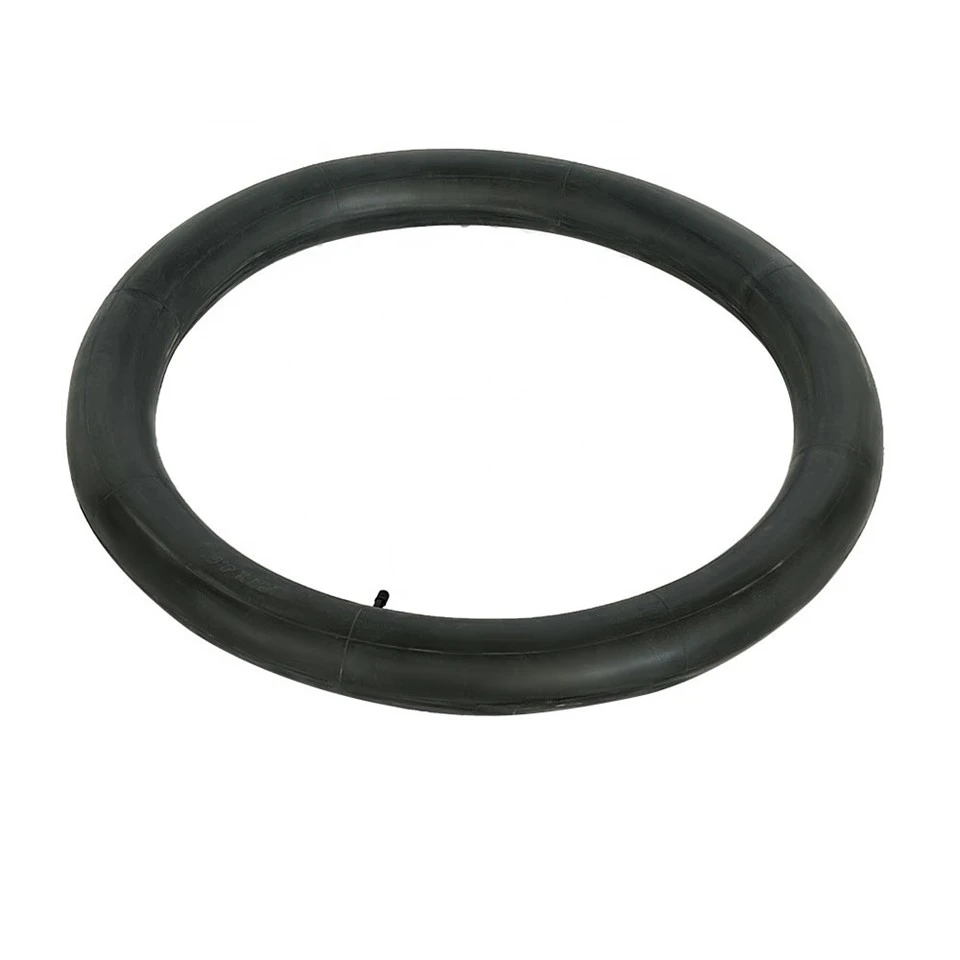
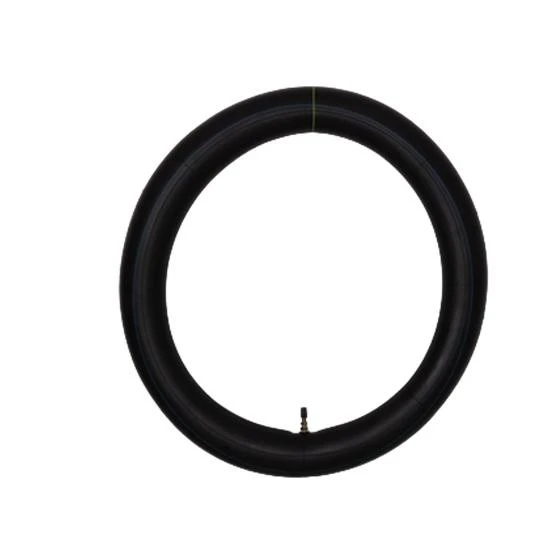
Punctures from small objects such as nails, screws, or glass are also a common cause of slow leaks. Even a tiny puncture can cause air to escape slowly. Additionally, the inner tube can develop small cracks or splits, especially if it is old or has been exposed to harsh conditions.
Another possible cause is improper installation of the inner tube. If the inner tube is not installed correctly, it can rub against the tire or the rim, causing damage and leading to a slow leak.
Our Product Range and Solutions
As a motorcycle inner tube supplier, we offer a wide range of high - quality inner tubes to meet your needs. Whether you have a 250 - 17 motorcycle, a 16" motorcycle, or a motorcycle with 17 - inch wheels, we have the right inner tube for you.
Check out our 250 - 17 Motorcycle Inner Tube, 16" Motorcycle Inner Tube, and 17 Inch Motorcycle Inner Tube. Our inner tubes are made from high - quality materials, ensuring durability and reliability.
If you suspect that your current inner tube has a slow leak, don't hesitate to replace it. Using a damaged inner tube can not only affect the performance of your motorcycle but also pose a safety risk.
Conclusion
Detecting a slow leak in your motorcycle inner tube is crucial for maintaining the safety and performance of your motorcycle. By using methods such as visual inspection, the soapy water test, pressure monitoring, and squeezing the tire, you can determine if your inner tube has a problem. Understanding the common causes of slow leaks can also help you prevent future issues.
As a leading motorcycle inner tube supplier, we are committed to providing you with the best products and solutions. If you have any questions or need help choosing the right inner tube for your motorcycle, feel free to reach out and start a procurement discussion. We look forward to serving you and ensuring that you have a safe and enjoyable riding experience.
References
- Motorcycle Owner's Manual
- General knowledge of motorcycle maintenance and inner tube technology