

Hey there! I'm an industrial inner tube supplier, and I often get asked about how to measure an industrial inner tube accurately. It's a crucial step, whether you're replacing an old tube or ensuring a proper fit for a new one. In this blog, I'll share some tips and tricks that I've picked up over the years in the business.
First things first, why is accurate measurement so important? Well, an ill - fitting inner tube can lead to a whole bunch of problems. It might not hold air properly, which means you'll have to keep topping it up. Or, it could cause uneven wear on the tire, reducing its lifespan. And in some industrial applications, like forklifts or heavy - duty machinery, a poorly fitting inner tube can even pose a safety risk.
Let's start with the basic tools you'll need. You don't need anything too fancy. A good old tape measure is your best friend here. Make sure it's long enough to measure the circumference and diameter of the tube. A caliper can also come in handy for more precise measurements, especially when you're dealing with smaller components.
Measuring the Diameter
The diameter is one of the most important measurements. There are two types of diameters you need to consider: the outside diameter (OD) and the inside diameter (ID).
To measure the outside diameter, wrap the tape measure around the widest part of the inflated inner tube. Make sure the tape is straight and not twisted. If the tube is deflated, you can still get a good estimate, but keep in mind that the measurement might be slightly different when it's inflated.
For the inside diameter, you'll need to measure the opening in the center of the tube. This is crucial because it needs to fit properly over the rim. Insert the tape measure or caliper into the opening and get an accurate reading.
Measuring the Width
The width of the inner tube is also essential. It's measured from one side of the tube to the other, perpendicular to the diameter. Place the tape measure across the tube at its widest point and record the measurement.
Measuring the Circumference
The circumference is the distance around the tube. To measure it, simply wrap the tape measure all the way around the tube. Make sure to keep the tape snug but not too tight, as you don't want to distort the shape of the tube.
Now, let's talk about some specific types of industrial inner tubes and how to measure them.
Forklift Inner Tubes
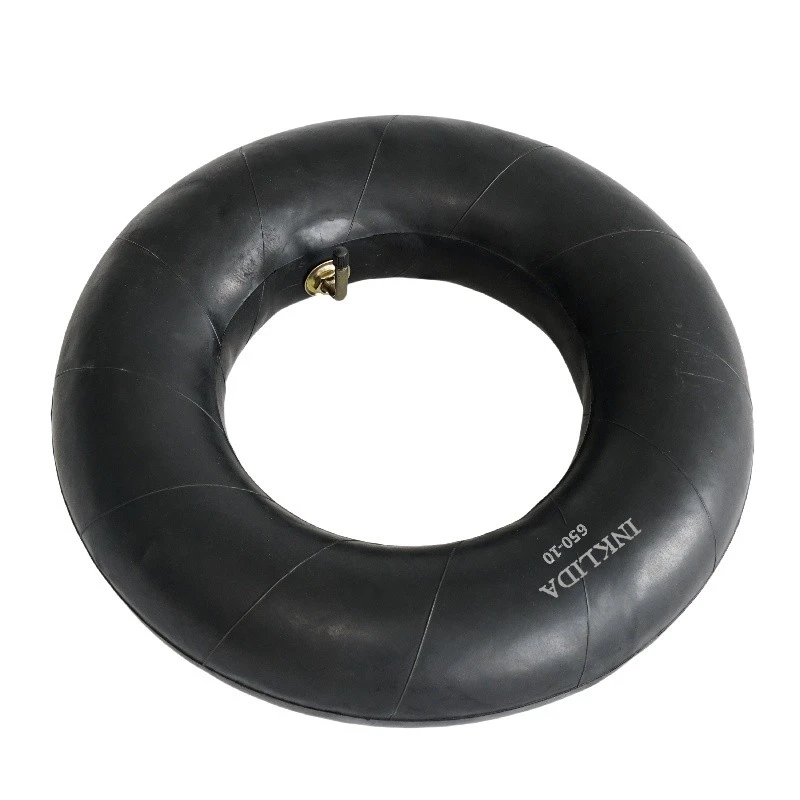
Forklift inner tubes, like the 10 Inch JS2 Forklift Tire Inner Tube, have unique requirements. The size of the forklift tire and the type of forklift it's used on can vary. When measuring a forklift inner tube, pay close attention to the diameter and width. The diameter needs to match the rim size of the forklift tire, and the width should be appropriate for the tire's overall size.
Large Industrial Inner Tubes
For larger industrial inner tubes, such as the Industrial Inner Tube 750 - 16, measuring can be a bit more challenging due to their size. You might need an extra - long tape measure or even a helper to hold the tape in place. It's also important to measure at multiple points to ensure accuracy, as these tubes can sometimes have slight variations in shape.
Smaller Industrial Inner Tubes
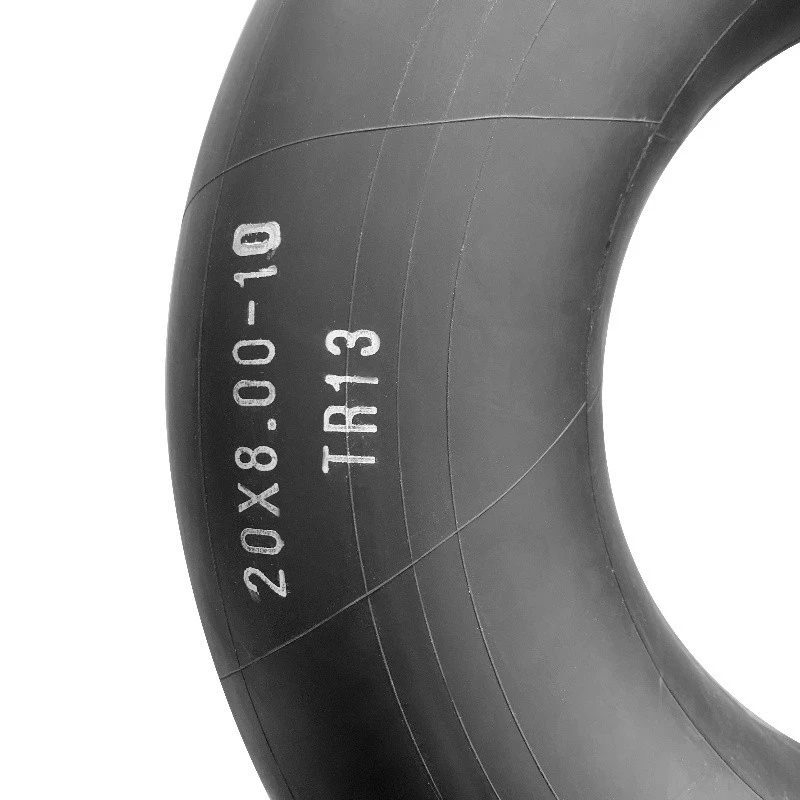
Smaller inner tubes, like the Inner Tube 20x8 - 10, require more precision. A caliper can be extremely useful here. Measure the diameter and width as precisely as possible to ensure a perfect fit.
Once you've taken all the measurements, it's a good idea to double - check them. Mistakes can happen, and an incorrect measurement could mean a tube that doesn't fit properly.
If you're still unsure about the measurements or which inner tube is right for your application, don't hesitate to reach out. As an industrial inner tube supplier, I've got the experience and knowledge to help you find the perfect fit. Whether you're in a small workshop or a large industrial facility, getting the right inner tube is essential for the smooth operation of your equipment.
When you're ready to make a purchase, accurate measurements will save you time and money. You won't have to deal with the hassle of returns or exchanges due to a mis - fitting tube. And you can be confident that your equipment will perform at its best with a properly sized inner tube.
So, if you're in the market for industrial inner tubes and need some advice on measuring or just want to browse our selection, feel free to contact us. We're here to make the process as easy as possible for you. Whether you're a regular customer or just starting out, we'll do our best to provide you with the highest - quality products and excellent customer service.
In conclusion, measuring an industrial inner tube accurately is a multi - step process that requires attention to detail. By using the right tools and following these guidelines, you can ensure that you get the perfect inner tube for your needs. Don't let a poorly fitting tube slow you down. Take the time to measure correctly and enjoy the benefits of a well - functioning industrial inner tube.
If you have any questions or need further assistance, please don't hesitate to get in touch. We're always happy to help you with your industrial inner tube needs.
References
- General knowledge and experience in the industrial inner tube supply business.
- Industry standards and best practices for measuring inner tubes.