

Measuring for tractor flaps is a crucial step to ensure a proper fit and optimal performance. As a supplier of tractor flaps, I understand the importance of accurate measurements. In this blog post, I'll guide you through the process of measuring for tractor flaps, highlighting key considerations and providing practical tips.
Understanding the Importance of Proper Measurement
Before delving into the measurement process, it's essential to understand why proper measurement matters. Well-fitted tractor flaps offer several benefits. Firstly, they protect the tractor and surrounding equipment from dirt, mud, and debris kicked up by the tires. This helps prevent damage to paintwork, mechanical components, and other sensitive parts. Secondly, they enhance safety by reducing the risk of debris being thrown onto other vehicles or pedestrians. Lastly, a proper fit ensures that the flaps remain securely in place, even under high-speed or rough-terrain conditions.
Tools You'll Need
To measure for tractor flaps, you'll need a few basic tools:
- Tape measure: A flexible tape measure is ideal for taking accurate measurements.
- Pen and paper: To record your measurements.
- Calculator: For any necessary calculations.
Step-by-Step Measurement Process
1. Tire Size
The first step is to determine the size of your tractor tires. This information is usually printed on the sidewall of the tire. Look for a series of numbers and letters, such as "6.50 - 16". The first number represents the width of the tire in inches, and the second number indicates the diameter of the wheel rim in inches.
If you're unsure about your tire size, you can also check your tractor's owner's manual or consult a tire dealer. For a 6.50 - 16 tractor Rubber Flap, it's essential to have the correct tire size to ensure a proper fit.
2. Flap Width
The width of the tractor flap should be slightly wider than the tire. A general rule of thumb is to add 2 - 3 inches to the tire width. For example, if your tire width is 6.5 inches, you might choose a flap width of 8.5 - 9.5 inches. This extra width helps to ensure that the flap can effectively catch debris and prevent it from splashing out.
3. Flap Length
The length of the tractor flap is also important. It should be long enough to reach a few inches above the ground when the tractor is on a level surface. Measure from the bottom of the fender or mudguard to the ground. Subtract a few inches (usually 3 - 4 inches) from this measurement to determine the appropriate flap length. This allows for some clearance to prevent the flap from dragging on the ground while the tractor is in motion.
4. Mounting Hole Placement
If your tractor flaps require mounting holes, you'll need to measure the placement of these holes. This can vary depending on the make and model of your tractor. Some tractors have pre - drilled holes in the fender, while others may require you to drill your own.
Measure the distance between the existing holes or mark the desired locations for new holes on the fender. Make sure to measure accurately and double - check your measurements before drilling.
5. Inner Tube Flap Considerations
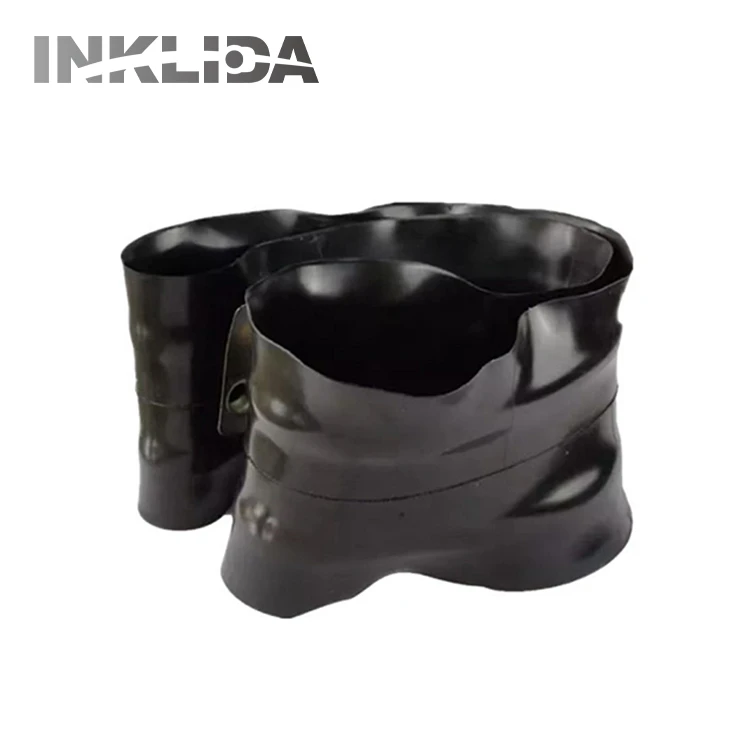
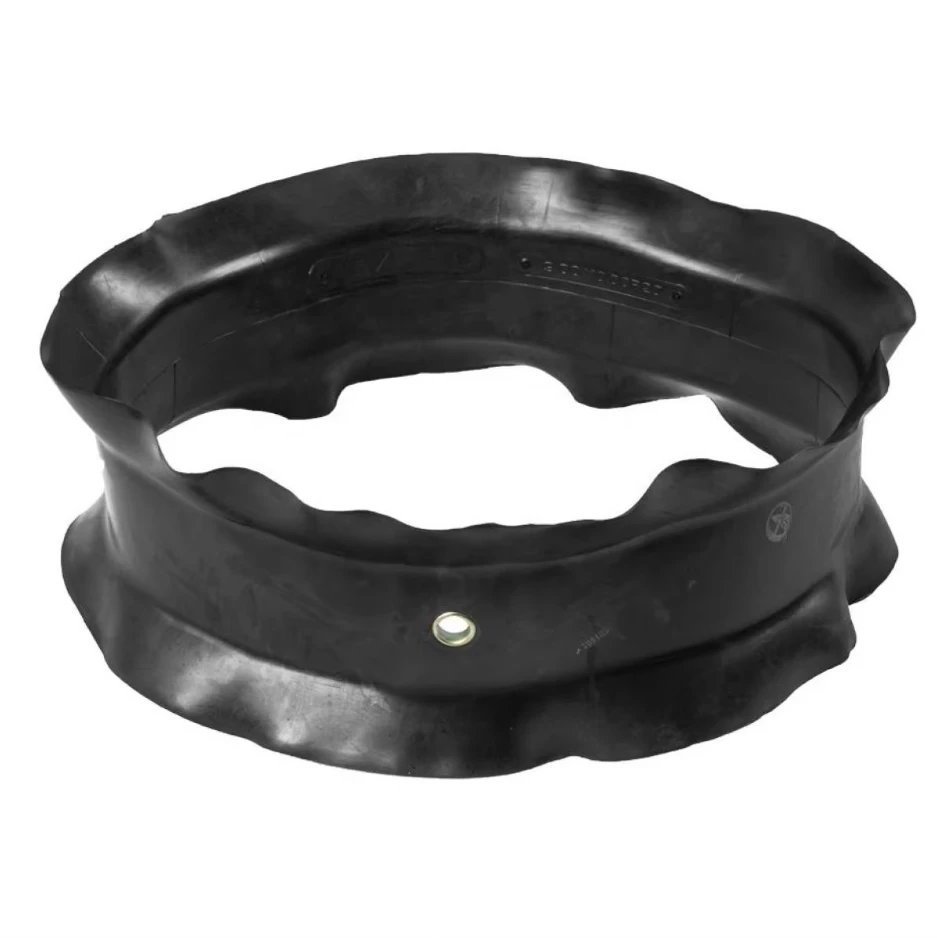
If you're using an AGR Tire Inner Tube Flap, you'll need to take additional measurements. The inner tube flap should fit snugly inside the tire and around the inner tube. Measure the inner diameter of the tire and the width of the inner tube to ensure a proper fit.
Special Considerations for Different Tractor Types
Agricultural Tractors
Agricultural tractors often operate in muddy and uneven terrain. In these conditions, longer and wider flaps may be more beneficial. The extra length helps to catch more mud and debris, while the wider flaps can cover a larger area of the tire.
Also, consider the type of crops being grown. If you're working in a field with tall crops, you may need to adjust the flap length to avoid damage to the plants.
Industrial Tractors
Industrial tractors, such as those used in construction or mining, may require heavy - duty flaps. These tractors often operate in harsh environments with a lot of dust, gravel, and debris. Look for flaps made from durable materials, such as thick rubber or reinforced plastic.
The measurement process for industrial tractors is similar to that of agricultural tractors, but you may need to pay more attention to the mounting system to ensure that the flaps can withstand the heavy vibrations and rough handling.
16 - Inch Tyre Flap
For tractors with 16 Inch Tyre Flaps, the tire diameter is a key factor. The flap width and length should be adjusted accordingly to fit the 16 - inch tires properly. Make sure to measure the tire width and follow the same guidelines for flap width and length as described above.
Quality Assurance and Verification
Once you've taken all the necessary measurements, it's a good idea to double - check your work. Measure each dimension at least twice to ensure accuracy. You can also compare your measurements with the specifications provided by the tractor flap manufacturer.
If possible, consult with a professional or an experienced tractor operator. They may have valuable insights and can help you avoid common measurement mistakes.
Conclusion
Measuring for tractor flaps is a detailed process that requires attention to detail. By following the steps outlined above, you can ensure that you select the right tractor flaps for your needs. Remember, proper measurement is the key to a good fit, which in turn leads to better protection, safety, and performance.
If you're in the market for high - quality tractor flaps and need further assistance with measurements or product selection, please don't hesitate to contact us. We're here to help you find the perfect solution for your tractor. Whether you have questions about specific products or need advice on installation, our team of experts is ready to assist you. Reach out to start a conversation about your tractor flap requirements, and let's work together to get your tractor properly equipped.
References
- Tractor Owner's Manuals
- Tire Manufacturer Specifications
- Industry Standards for Tractor Flaps