

Hey there, fellow motorcycle enthusiasts! As a motorcycle inner tube supplier, I've seen it all when it comes to transporting these essential parts. Whether you're shipping them to customers or moving them around your own shop, it's crucial to do it safely to avoid any damage. In this blog, I'll share some tips and tricks on how to transport a motorcycle inner tube safely.
Understanding the Basics of Motorcycle Inner Tubes
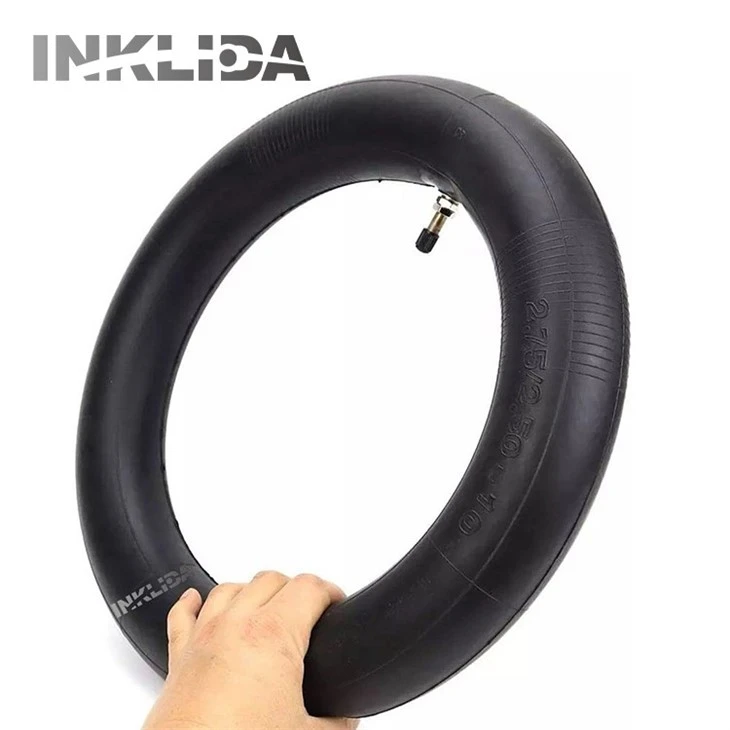
Before we dive into the transportation part, let's quickly go over what motorcycle inner tubes are and why they're so important. Motorcycle inner tubes are the inflatable parts inside the tires that hold the air. They come in different sizes, like 14 Inch Motorcycle Inner Tube, Motorcycle Inner Tube 21, and 19 Inch Motorcycle Inner Tube, to fit various motorcycle models.
These tubes are made of rubber, which is flexible but can also be easily damaged if not handled properly. They're designed to withstand high pressures, but any puncture or tear can lead to a flat tire, which is a major headache for riders. So, when transporting them, we need to make sure they stay in one piece.
Preparing the Inner Tubes for Transport
The first step in transporting motorcycle inner tubes safely is to prepare them properly. Here's what you need to do:
Clean the Inner Tubes
Before packing them up, give the inner tubes a good cleaning. Remove any dirt, debris, or old valve stems. This not only makes them look better but also helps prevent any contaminants from causing damage during transport. You can use a mild soap and water solution to clean the tubes, and then let them dry completely.
Check for Damage
Inspect each inner tube carefully for any signs of damage, such as cuts, punctures, or leaks. If you find any issues, either repair them before transport or set the damaged tubes aside. You don't want to ship a faulty tube and end up with an unhappy customer.
Deflate the Tubes
It's best to deflate the inner tubes completely before transporting them. This makes them more compact and easier to pack. Use a valve core remover to let the air out slowly. Make sure to keep the valve cores in a safe place, as you'll need them later.
Roll or Fold the Tubes
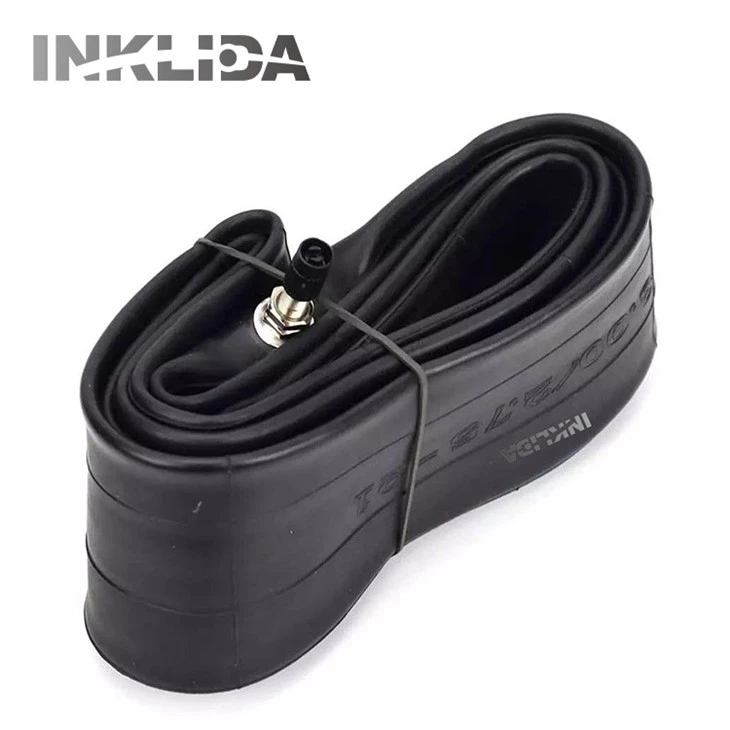
Once the tubes are deflated, you can either roll them up or fold them neatly. Rolling is usually the better option, as it helps prevent creases and kinks, which can weaken the rubber over time. Start from one end of the tube and roll it tightly, like a jelly roll.
Choosing the Right Packaging
The next step is to choose the right packaging for your inner tubes. The packaging should provide enough protection to prevent damage during transport. Here are some options:
Cardboard Boxes
Cardboard boxes are a popular choice for transporting motorcycle inner tubes. They're relatively inexpensive, lightweight, and easy to find. Make sure the boxes are the right size for the tubes, with enough room for some padding. You can use bubble wrap, packing peanuts, or crumpled newspaper to cushion the tubes and prevent them from shifting around inside the box.
Plastic Bags
Plastic bags can also be used to protect the inner tubes. They're waterproof and can help keep the tubes clean. You can use large, heavy-duty plastic bags and seal them tightly. However, plastic bags don't provide as much cushioning as cardboard boxes, so you may need to use additional padding.
Custom Packaging
If you're shipping a large number of inner tubes regularly, you may want to consider custom packaging. This can be a more expensive option, but it offers better protection and a more professional look. You can have custom boxes made with your company logo and branding, which can help increase brand awareness.
Labeling and Marking the Packages
Once you've packed the inner tubes, it's important to label and mark the packages correctly. This helps ensure that the tubes are handled properly during transport and that they reach the right destination. Here's what you need to do:
Label the Packages
Use a permanent marker or a label printer to write the following information on the packages:
- Your company name and contact information
- The recipient's name and address
- The quantity and size of the inner tubes
- Any special handling instructions, such as "Fragile" or "Handle with Care"
Mark the Packages
In addition to labeling, you can also mark the packages with arrows or other symbols to indicate the correct orientation. This helps prevent the tubes from being mishandled or crushed during transport.
Choosing the Right Shipping Method
The final step in transporting motorcycle inner tubes safely is to choose the right shipping method. There are several options available, each with its own advantages and disadvantages. Here are some things to consider:
Postal Services
Postal services, such as the USPS, are a popular choice for shipping small packages. They're relatively inexpensive and offer a range of delivery options, including tracking and insurance. However, postal services may not be the best option for large or heavy packages, as they can be slow and may not offer as much protection as other shipping methods.
Courier Services
Courier services, such as FedEx or UPS, are a good choice for shipping larger or more valuable packages. They offer faster delivery times, more reliable tracking, and better protection. However, courier services can be more expensive than postal services, especially for international shipments.
Freight Services
If you're shipping a large number of inner tubes or other heavy items, you may want to consider using a freight service. Freight services are designed to transport large and heavy goods over long distances. They offer a range of options, including less-than-truckload (LTL) and full-truckload (FTL) shipping. However, freight services can be more complicated to arrange and may require a minimum order quantity.
Handling and Storing the Packages
Once the packages are ready to be shipped, it's important to handle and store them properly. Here are some tips:
Handle with Care
When loading and unloading the packages, make sure to handle them with care. Avoid dropping or throwing the packages, as this can cause damage to the inner tubes. Use a forklift or other equipment if necessary to move the packages safely.
Store in a Dry Place
During storage, make sure to keep the packages in a dry place. Moisture can cause the rubber to deteriorate over time, so it's important to keep the tubes dry. You can store the packages in a warehouse or other storage facility, as long as the temperature and humidity are controlled.
Rotate the Stock
If you have a large inventory of inner tubes, it's a good idea to rotate the stock regularly. This helps ensure that the oldest tubes are shipped first, reducing the risk of them sitting in storage for too long and becoming damaged.
Conclusion
Transporting motorcycle inner tubes safely is essential for any supplier. By following these tips, you can ensure that your tubes arrive at their destination in good condition, which will help keep your customers happy. Remember to prepare the tubes properly, choose the right packaging, label and mark the packages correctly, choose the right shipping method, and handle and store the packages with care.
If you're in the market for high-quality motorcycle inner tubes, we'd love to hear from you. We offer a wide range of sizes and styles to fit your needs. Contact us today to discuss your requirements and get a quote.
References
- Motorcycle Tire and Inner Tube Manual
- Packaging and Shipping Guidelines for Rubber Products