

Hey there! I'm a supplier of semi truck inner tubes, and I often get asked about the best ways to transport these hefty items safely. In this blog, I'll share some practical tips and tricks based on my experience in the industry.
First things first, why is it so important to transport semi truck inner tubes safely? Well, these inner tubes are a significant investment, and any damage during transportation can lead to big losses. Not to mention, a damaged inner tube can pose a safety risk when it's eventually installed on a semi truck. So, let's dive into the details of how to get these tubes from point A to point B without a hitch.
Pre - Transport Preparation
Before you even start loading the inner tubes onto a vehicle, there are a few key steps you need to take.
Inspection
Inspect each inner tube thoroughly. Look for any signs of damage, such as cuts, punctures, or weak spots. You don't want to transport a tube that's already in bad shape, as it could cause problems down the line. If you find any issues, either repair the tube or set it aside for disposal. For example, a small puncture can often be patched up, but a large cut might mean the tube is no longer usable.
Cleaning
Give the inner tubes a good clean. Remove any dirt, debris, or chemicals that might have accumulated on the surface. This not only makes the tubes look better but also helps prevent any contaminants from causing damage during transportation. You can use a mild soap and water solution to clean the tubes, and then let them dry completely before proceeding.
Packaging
Proper packaging is crucial. Wrap each inner tube in a protective material, like a heavy - duty plastic sheet or a specialized tube cover. This helps prevent scratches, abrasions, and other types of physical damage. You can also stack the tubes carefully, but make sure not to put too much pressure on the bottom ones. If you're transporting a large number of tubes, consider using pallets to keep them organized and stable.
Choosing the Right Transportation Method
There are several options when it comes to transporting semi truck inner tubes, and each has its pros and cons.
Trucks
Using a truck is one of the most common ways to transport inner tubes. You can choose between a flatbed truck or an enclosed trailer. A flatbed truck is great if you need to transport a large number of tubes at once, as you can stack them on the bed. However, the tubes are exposed to the elements, so you'll need to cover them with a tarp to protect them from rain, dust, and sunlight. An enclosed trailer, on the other hand, provides better protection from the elements but may have limited space.
Rail
Rail transportation can be a cost - effective option for long - distance hauls. It's also relatively stable, which reduces the risk of damage to the inner tubes. However, rail transportation can be slower than trucks, and you'll need to arrange for pick - up and drop - off at the rail terminals.

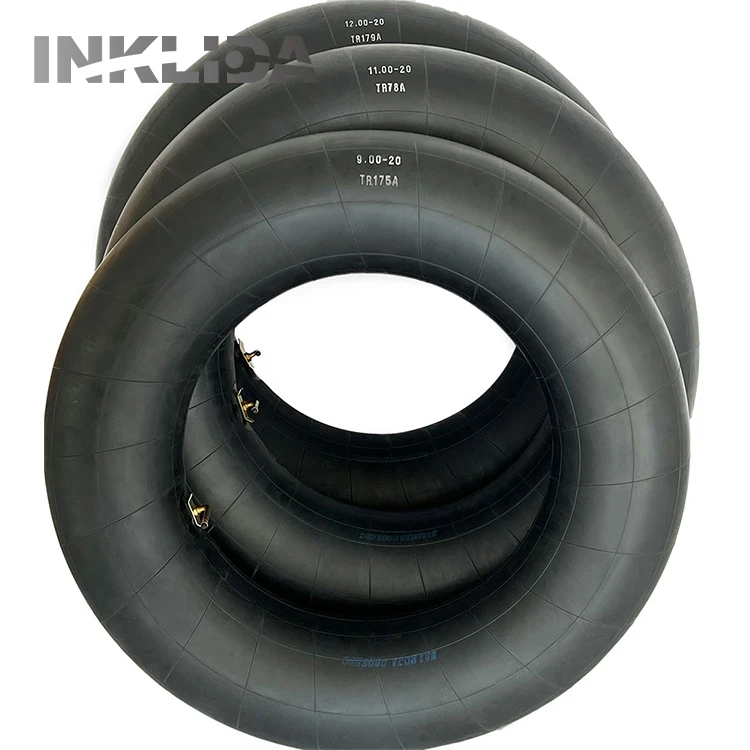
Shipping Containers
If you're transporting inner tubes overseas, shipping containers are a popular choice. They offer excellent protection from the elements and can be easily transferred between different modes of transportation, such as ships and trucks. Just make sure to secure the tubes properly inside the container to prevent them from shifting during transit.
Loading and Securing the Inner Tubes
Once you've chosen your transportation method, it's time to load and secure the inner tubes.
Loading
When loading the inner tubes, be careful not to bend or twist them too much. Semi truck inner tubes are large and heavy, so it's best to use a forklift or other mechanical equipment to lift them onto the vehicle. Make sure the tubes are loaded in an orderly manner, and avoid overloading the vehicle.
Securing
Securing the inner tubes is essential to prevent them from moving around during transportation. You can use straps, ropes, or nets to hold the tubes in place. Make sure the straps are tight enough to keep the tubes from shifting but not so tight that they damage the tubes. If you're using a flatbed truck, you may also want to use chocks to prevent the tubes from rolling off the bed.
During Transportation
During the journey, there are a few things you need to keep in mind to ensure the safety of the inner tubes.
Temperature and Humidity
Extreme temperatures and high humidity can damage semi truck inner tubes. If possible, try to keep the transportation environment within a reasonable temperature and humidity range. For example, avoid transporting the tubes in direct sunlight or in a very hot and humid environment.
Vibration and Shock
Vibrations and shocks can also cause damage to the inner tubes. Make sure the vehicle is well - maintained and has good shock absorbers. If you're using a truck, drive carefully and avoid rough roads as much as possible.
Unloading and Storage
Once the inner tubes reach their destination, it's time to unload and store them properly.
Unloading
Unload the inner tubes carefully, using the same equipment and techniques as when loading. Make sure not to drop or damage the tubes during the unloading process.
Storage
Store the inner tubes in a cool, dry place away from direct sunlight and sources of heat. You can stack the tubes, but make sure not to stack them too high to prevent deformation. Also, keep the tubes away from chemicals and other substances that could damage them.
As a semi truck inner tube supplier, I offer a wide range of high - quality products, including the 20 Inch Truck Tire Inner Tube, 20 Truck Inner Tube, and Radial Tire Inner Tube. If you're in the market for semi truck inner tubes or have any questions about transportation or our products, feel free to reach out. We're always here to help you make the best decisions for your business.
References
- Industry standards for semi truck inner tube transportation
- Personal experience in the semi truck inner tube supply business