

Industrial inner tubes play a crucial role in various applications, from forklifts to other heavy - duty machinery. As an industrial inner tube supplier, I've received numerous inquiries about how these tubes perform in cold weather. In this blog, I'll delve into the science behind their cold - weather performance, potential challenges, and how to optimize their use during frigid conditions.
The Science of Cold Weather on Industrial Inner Tubes
Cold weather has a significant impact on the physical properties of industrial inner tubes. Most inner tubes are made from rubber compounds, and rubber is highly sensitive to temperature changes. When the temperature drops, rubber becomes stiffer. This is due to the reduction in the mobility of the polymer chains within the rubber. At higher temperatures, these chains can move more freely, allowing the rubber to be flexible. But in cold weather, the kinetic energy of the molecules decreases, and the chains become more rigid.
This stiffness can have several consequences for industrial inner tubes. Firstly, it affects the tube's ability to absorb shocks. In normal operating conditions, the flexible rubber can deform slightly to cushion the impact of bumps and uneven surfaces. However, in cold weather, the stiffer rubber is less capable of this deformation, leading to a harsher ride and potentially more stress on the tube and the machinery it's installed in.
Secondly, the change in rubber properties can also affect the tube's air - holding capacity. The stiffness can cause small cracks or micro - fissures to form in the rubber, especially if the tube is subjected to stress or pressure changes. These cracks can lead to air leakage over time, reducing the tire pressure and potentially causing the tube to fail prematurely.
Challenges Faced by Industrial Inner Tubes in Cold Weather
Reduced Flexibility and Increased Wear
As mentioned earlier, the reduced flexibility of the inner tube in cold weather can lead to increased wear. The tube may not be able to adapt to the shape of the outer tire as effectively, causing uneven stress distribution. This uneven stress can result in accelerated wear on certain parts of the tube, leading to a shorter lifespan.
For example, in forklift applications, the constant turning and maneuvering put stress on the inner tubes. In cold weather, the stiffer tubes are more likely to experience wear at the edges or in areas where the tire bends during turns. This can lead to blowouts or other failures, which can be dangerous and costly for businesses.
Air Pressure Fluctuations
Cold weather causes air to contract. According to the ideal gas law, PV = nRT, where P is pressure, V is volume, n is the number of moles of gas, R is the ideal gas constant, and T is temperature. When the temperature (T) decreases, assuming the volume (V) and the amount of gas (n) remain constant, the pressure (P) will also decrease.
This means that industrial inner tubes are more likely to experience a drop in air pressure in cold weather. Maintaining the correct tire pressure is crucial for the safe and efficient operation of machinery. Low tire pressure can lead to increased rolling resistance, which in turn increases fuel consumption and reduces the efficiency of the equipment. It can also cause the outer tire to overheat, leading to further damage.
Compatibility with Cold - Resistant Lubricants
Some industrial inner tubes require lubrication to function properly. In cold weather, the lubricants used must be cold - resistant. If a non - cold - resistant lubricant is used, it can thicken or solidify, which can impede the movement of the tube within the tire. This can cause additional stress on the tube and lead to premature failure.
Optimizing Industrial Inner Tube Performance in Cold Weather
Selecting the Right Inner Tube
As an industrial inner tube supplier, I recommend choosing tubes specifically designed for cold - weather use. These tubes are made from rubber compounds that are more resistant to the effects of cold temperatures. They have additives that help maintain flexibility even in frigid conditions.
For instance, some of our 3.50 - 8 Inner Tube models are engineered with cold - resistant rubber. These tubes are suitable for a variety of applications, including small industrial vehicles and equipment.
Proper Inflation and Monitoring
Regularly checking and maintaining the correct air pressure is essential in cold weather. It's advisable to check the tire pressure more frequently than in normal conditions, as the pressure can drop more rapidly. Use a reliable tire pressure gauge and inflate the tubes to the recommended pressure specified by the equipment manufacturer.
Some advanced tire pressure monitoring systems can be installed to provide real - time pressure readings. This allows operators to detect any pressure drops early and take corrective action before it leads to problems.
Using Cold - Resistant Lubricants
Ensure that the lubricants used with the inner tubes are designed for cold - weather use. These lubricants have a lower viscosity at low temperatures, allowing them to flow freely and provide adequate lubrication. This helps to reduce friction and wear on the tube, even in cold conditions.
Storage and Handling
Proper storage and handling of industrial inner tubes in cold weather are also important. Store the tubes in a warm, dry place when not in use. Avoid exposing them to extreme cold for extended periods, as this can cause damage to the rubber.
When installing the tubes, make sure the environment is as warm as possible. Cold temperatures can make the tubes more difficult to install, and improper installation can lead to damage.
Specific Applications and Cold - Weather Performance
Forklift Inner Tubes
Forklifts are widely used in warehouses and industrial settings, and their inner tubes are often subjected to harsh conditions. In cold weather, the performance of Forklift Inner Tubes becomes even more critical.
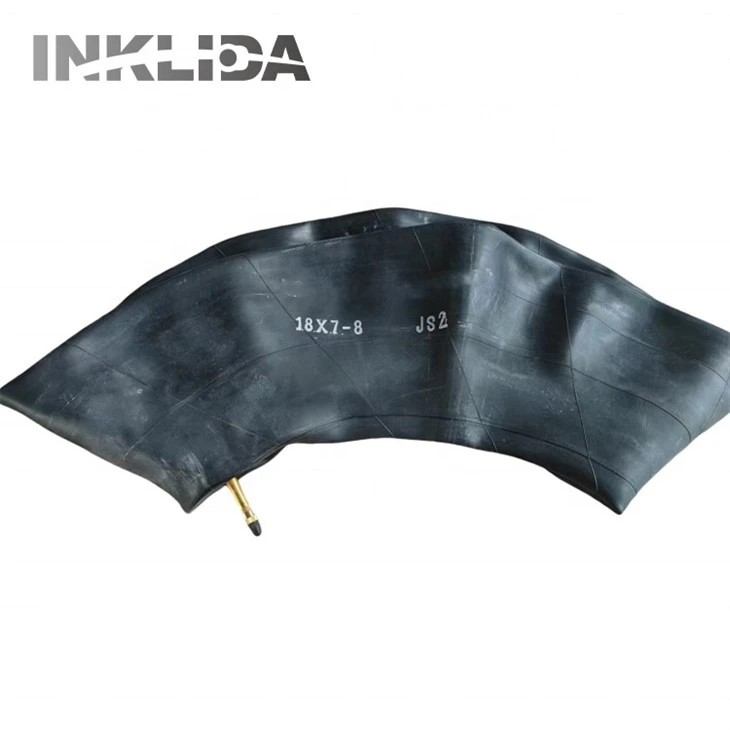
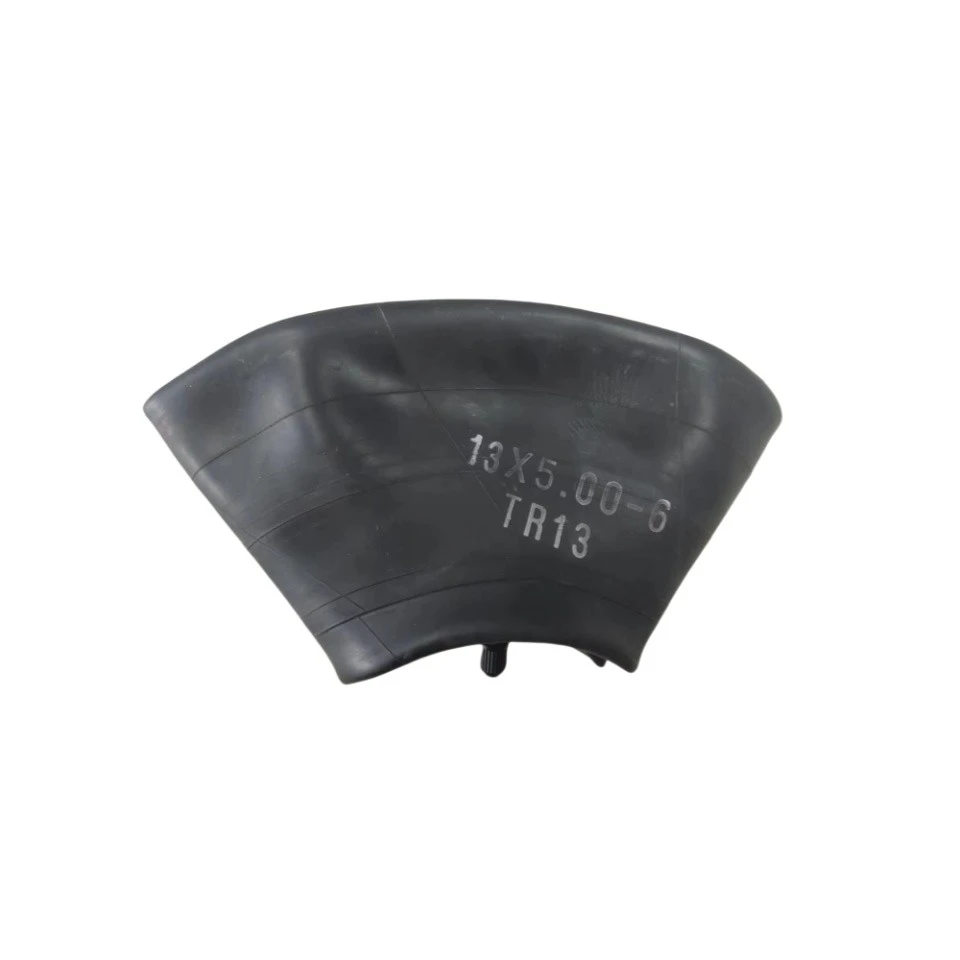
The constant starting, stopping, and turning of forklifts put stress on the inner tubes. In cold weather, the reduced flexibility of the tubes can make it more difficult for the forklift to maneuver smoothly. The increased wear and potential air leakage can also lead to downtime, which can be costly for businesses.
Our 9 Inch Forklift Tire Tube is designed to withstand the rigors of cold - weather use. It's made from a high - quality rubber compound that maintains its flexibility and air - holding capacity even in low temperatures.
Other Industrial Applications
Industrial inner tubes are also used in a variety of other applications, such as construction equipment, agricultural machinery, and mining vehicles. In each of these applications, the challenges of cold weather are similar. The reduced flexibility, increased wear, and air pressure fluctuations can all affect the performance and safety of the equipment.
By following the optimization strategies mentioned above, businesses can ensure that their industrial inner tubes perform well in cold weather, reducing the risk of failures and costly downtime.
Conclusion
In conclusion, industrial inner tubes face significant challenges in cold weather due to the changes in rubber properties. However, by understanding these challenges and taking appropriate measures, such as selecting the right tubes, maintaining proper air pressure, using cold - resistant lubricants, and ensuring proper storage and handling, businesses can optimize the performance of their industrial inner tubes in cold conditions.
As an industrial inner tube supplier, I'm committed to providing high - quality products that are designed to perform well in all weather conditions. If you're looking for industrial inner tubes that can withstand the cold, we're here to help. Whether you need 3.50 - 8 Inner Tube, Forklift Inner Tubes, or 9 Inch Forklift Tire Tube, we have the right solution for you. Contact us to discuss your specific requirements and start a procurement negotiation today.
References
- "The Physics of Rubber at Low Temperatures" - Journal of Polymer Science
- "Cold Weather Effects on Tire and Inner Tube Performance" - Industrial Equipment Magazine