

As a supplier of street motor tires, I've witnessed firsthand the critical role these components play in ensuring rider safety and performance. One of the most crucial aspects of tire performance is how they respond to sudden braking. In this blog, I'll delve into the science behind street motor tire behavior during abrupt stops, explore the factors that influence their response, and discuss how our products are engineered to handle these situations effectively.
The Physics of Sudden Braking
When a rider applies the brakes suddenly, a complex interplay of forces comes into play. The primary force at work is friction, which is the resistance that opposes the relative motion between the tire and the road surface. According to Newton's second law of motion, the force required to decelerate the motorcycle is directly proportional to its mass and the rate of deceleration. This means that the heavier the motorcycle and the more rapid the deceleration, the greater the force that must be transmitted through the tires to the road.
The friction between the tire and the road is influenced by several factors, including the tire's tread pattern, the road surface conditions, and the coefficient of friction. The coefficient of friction is a measure of the grip between two surfaces and is affected by factors such as the type of rubber compound used in the tire, the temperature of the tire and the road, and the presence of contaminants such as water, oil, or debris.
During sudden braking, the weight of the motorcycle shifts forward, increasing the load on the front tire and reducing the load on the rear tire. This weight transfer can have a significant impact on the tire's ability to maintain traction. If the front tire loses traction, the motorcycle may skid or even flip forward, while if the rear tire loses traction, the motorcycle may fishtail or spin out.
Factors Affecting Tire Response
Tread Pattern
The tread pattern of a street motor tire plays a crucial role in its ability to channel water away from the contact patch and maintain traction on wet surfaces. A tire with a deep, wide tread pattern will generally provide better wet grip than a tire with a shallow, narrow tread pattern. However, a tread pattern that is too aggressive may reduce the tire's contact area with the road, resulting in reduced dry grip.
Our street motor tires are designed with a carefully engineered tread pattern that balances wet and dry performance. The tread pattern features a combination of wide grooves and sipes that help to channel water away from the contact patch while maintaining a large contact area with the road. This design provides excellent wet grip without sacrificing dry performance.
Rubber Compound
The rubber compound used in a street motor tire is another important factor that affects its performance during sudden braking. A softer rubber compound will generally provide better grip than a harder rubber compound, but it will also wear out more quickly. Conversely, a harder rubber compound will provide better durability but may have reduced grip.
Our street motor tires are made from a high-performance rubber compound that has been specifically formulated to provide excellent grip and durability. The compound is designed to maintain its properties over a wide range of temperatures and road conditions, ensuring consistent performance in all situations.
Tire Pressure
Maintaining the correct tire pressure is essential for optimal tire performance and safety. Underinflated tires can increase the risk of tire failure, reduce fuel efficiency, and affect the handling of the motorcycle. Overinflated tires, on the other hand, can reduce the tire's contact area with the road, resulting in reduced grip and increased wear.

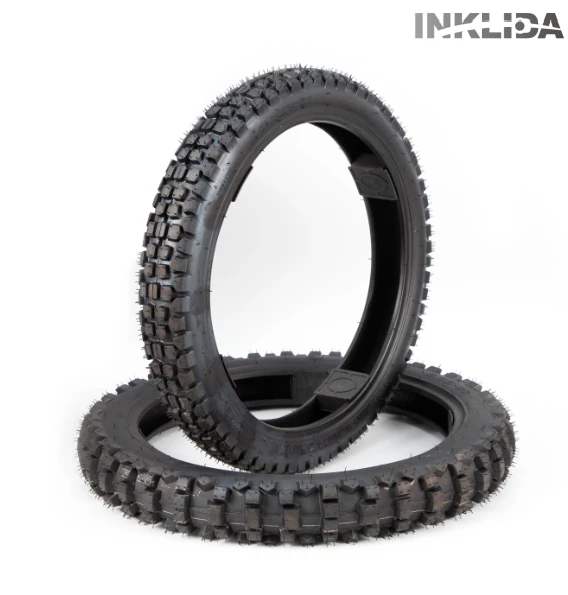
We recommend that riders check their tire pressure regularly and maintain the recommended pressure levels specified by the motorcycle manufacturer. Our street motor tires are designed to perform best at the recommended tire pressure, and maintaining the correct pressure will help to ensure optimal performance and safety.
Our Street Motor Tires
At our company, we are committed to providing high-quality street motor tires that are designed to meet the needs of riders of all levels. Our tires are engineered using the latest technology and materials to provide excellent performance, durability, and safety.
We offer a wide range of street motor tires to suit different types of motorcycles and riding styles. Whether you're a casual rider looking for a tire that provides a comfortable ride and good all-around performance or a competitive racer looking for a tire that offers maximum grip and performance, we have a tire that's right for you.
Some of our popular tire models include the Classic Motorcycle Tire, which is designed for classic and vintage motorcycles and offers a classic look and excellent performance; the Off Road Motorcycle Tyre, which is designed for off-road riding and provides excellent traction and durability; and the 90/90-18 Motorcycle Tire, which is a popular size for many street motorcycles and offers a good balance of performance and affordability.
Contact Us for Procurement
If you're in the market for high-quality street motor tires, we invite you to contact us to discuss your procurement needs. Our team of experts is available to answer your questions, provide technical support, and help you select the right tires for your motorcycle.
We offer competitive pricing, fast shipping, and excellent customer service. Whether you're a motorcycle dealer, a repair shop, or an individual rider, we can provide you with the tires you need at a price you can afford.
Don't compromise on safety and performance. Choose our street motor tires for your motorcycle and experience the difference. Contact us today to start the procurement process.
References
- Gillespie, T. D. (1992). Fundamentals of Vehicle Dynamics. Society of Automotive Engineers.
- Milliken, W. F., & Milliken, D. L. (1995). Race Car Vehicle Dynamics. Society of Automotive Engineers.
- Pacejka, H. B. (2006). Tire and Vehicle Dynamics. Butterworth-Heinemann.