

Tire flaps, often overlooked yet crucial components in vehicle safety and maintenance, play a significant role in protecting vehicles. As a dedicated tire flap supplier, I've witnessed firsthand the diverse ways these unassuming accessories safeguard vehicles. In this blog, I'll delve into the science and practical benefits of tire flaps, highlighting their importance for vehicle owners and operators.
1. Physical Protection Against Debris
One of the primary functions of tire flaps is to act as a shield against road debris. When a vehicle is in motion, its tires churn up various objects from the road surface, such as rocks, gravel, mud, and small pieces of metal. Without tire flaps, these debris can be forcefully projected towards the vehicle's body, undercarriage, and other critical components.
For example, a small rock kicked up by a tire can cause dents and scratches on the vehicle's fenders, doors, and rear panels. Over time, these cosmetic damages not only affect the vehicle's appearance but can also lead to rust and corrosion, especially if the paint is chipped. Tire flaps intercept these flying objects, preventing them from reaching the vehicle's vulnerable areas.

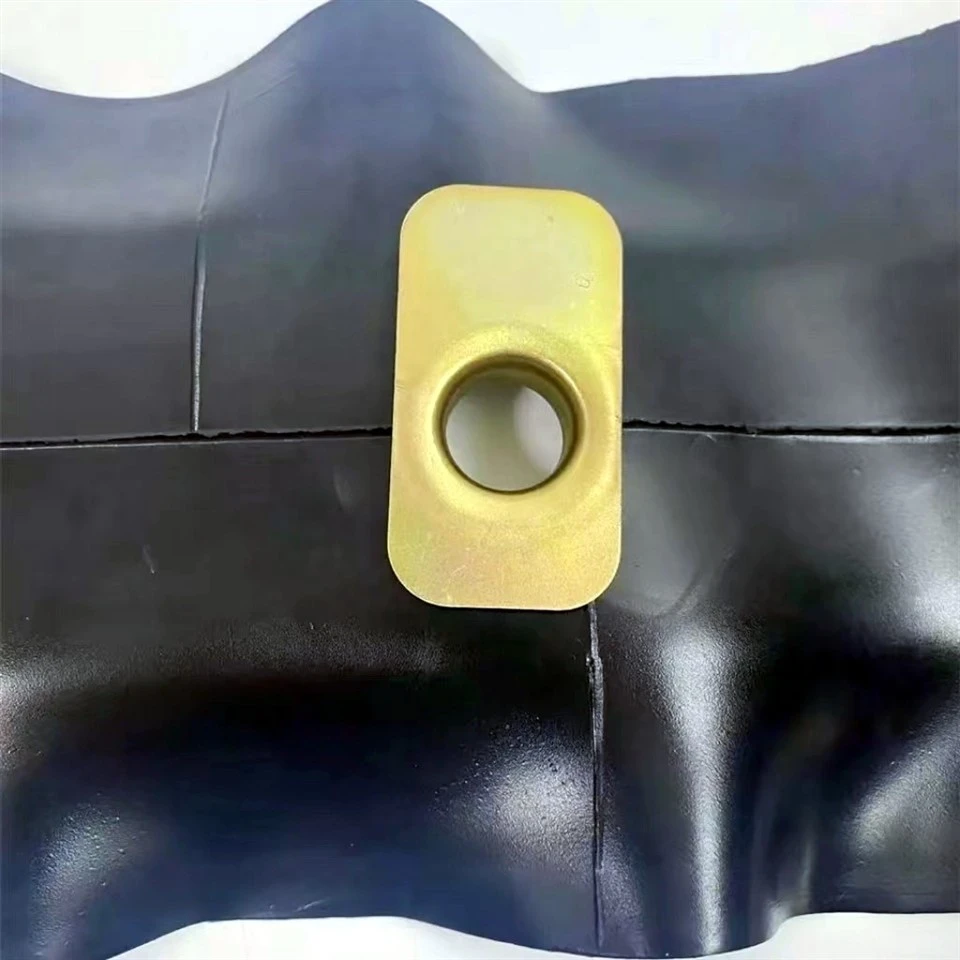
In addition to protecting the exterior, tire flaps also safeguard the undercarriage. Debris can cause damage to the exhaust system, fuel lines, and electrical wiring beneath the vehicle. A sharp piece of metal could puncture a fuel line or sever an electrical cable, leading to potentially dangerous situations. By blocking the debris, tire flaps reduce the risk of such costly and hazardous damage.
2. Minimizing Aerodynamic Drag
Tire flaps can also have a positive impact on a vehicle's aerodynamics. As a vehicle moves forward, the air flow around the tires creates turbulence. This turbulence increases drag, which in turn reduces fuel efficiency and performance.
Tire flaps are designed to streamline the air flow around the tires. They act as a barrier, guiding the air smoothly over and around the tires rather than allowing it to get trapped and create chaotic eddies. This reduction in aerodynamic drag can lead to significant fuel savings, especially for large commercial vehicles that cover long distances.
For instance, a study conducted by a leading automotive research institute found that trucks equipped with properly designed tire flaps experienced a reduction in fuel consumption of up to 5%. This not only translates into cost savings for the vehicle operators but also contributes to a more environmentally friendly operation by reducing carbon emissions.
3. Protecting Other Road Users
Tire flaps are not only beneficial for the vehicle they are installed on but also for other road users. As mentioned earlier, without tire flaps, road debris can be projected at high speeds onto other vehicles, cyclists, and pedestrians. This poses a serious safety risk, as a flying object can cause damage to other vehicles or even injure people.
By containing the debris, tire flaps help to create a safer driving environment for everyone on the road. They reduce the likelihood of accidents caused by flying objects and contribute to overall road safety. This is particularly important for large vehicles, such as trucks and buses, which have a greater potential to kick up large amounts of debris due to their size and weight.
4. Enhancing Tire Life
Tire flaps can also contribute to extending the life of a vehicle's tires. When a tire is exposed to excessive heat, it can wear out more quickly. The friction between the tire and the road generates heat, and without proper ventilation, this heat can build up and cause the tire to degrade.
Tire flaps can help to improve tire ventilation. They allow air to circulate around the tires more effectively, dissipating the heat and preventing it from reaching dangerous levels. This not only reduces the risk of tire blowouts but also extends the overall lifespan of the tires.
In addition, tire flaps can protect the sidewalls of the tires from damage. Road debris and curbs can cause cuts and abrasions on the tire sidewalls, which can weaken the structure of the tire and lead to premature failure. By acting as a buffer, tire flaps reduce the likelihood of such damage, ensuring that the tires remain in good condition for longer.
5. Different Types of Tire Flaps for Different Applications
There are various types of tire flaps available on the market, each designed for specific applications. For example, 1200-20 Tire Flap is a popular choice for heavy-duty trucks and trailers. These tire flaps are made from durable materials, such as rubber or plastic, and are designed to withstand the harsh conditions of long-haul transportation.
For passenger cars and light trucks, there are smaller and more lightweight tire flaps available. These tire flaps are often made from flexible materials, such as vinyl or nylon, and are designed to provide a balance between protection and aesthetics.
In addition to the standard tire flaps, there are also specialized tire flaps available for specific industries. For example, in the mining industry, tire flaps are often designed to withstand the extreme conditions of rough terrain and heavy loads. These tire flaps are made from high-strength materials and are reinforced to provide maximum protection.
Conclusion
In conclusion, tire flaps are essential components that offer a wide range of benefits for vehicles. From protecting against debris and minimizing aerodynamic drag to enhancing tire life and ensuring the safety of other road users, tire flaps play a crucial role in vehicle safety and performance.
As a tire flap supplier, I am committed to providing high-quality tire flaps that meet the diverse needs of our customers. Whether you are a commercial vehicle operator looking to improve fuel efficiency and protect your assets or a passenger car owner concerned about the safety and appearance of your vehicle, we have the right tire flaps for you.
If you are interested in learning more about our tire flaps or would like to discuss your specific requirements, please feel free to contact us. Our team of experts is ready to assist you in finding the perfect tire flaps for your vehicle.
References
- Automotive Research Institute. (Year). Study on the Impact of Tire Flaps on Fuel Efficiency. [Research Report].
- National Highway Traffic Safety Administration. (Year). Road Safety Statistics Related to Flying Debris. [Publication].