

As an agricultural tire supplier, I've witnessed firsthand how the age of an agricultural tire can significantly impact its performance. In the agricultural sector, tires are not just a means of mobility; they are crucial components that can affect the efficiency, safety, and productivity of farming operations. This blog post will delve into the various ways in which tire age influences performance, drawing on industry knowledge and real - world experiences.
1. Tread Wear and Traction
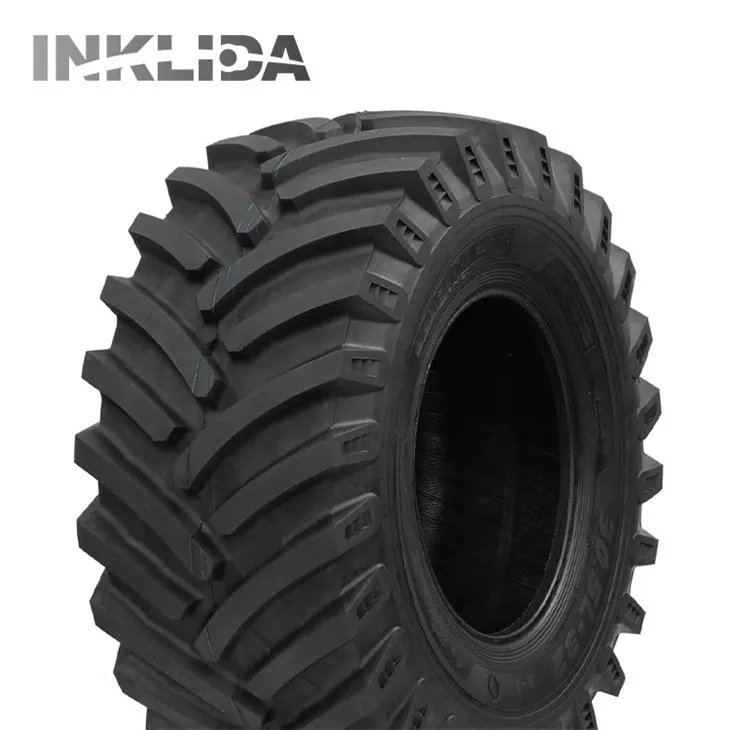
One of the most obvious effects of tire age is tread wear. Over time, the tread on agricultural tires gradually wears down as it comes into contact with the ground during normal use. When a tire is new, the tread pattern is designed to provide maximum traction on different types of terrain, whether it's soft soil in a wet field or hard - packed earth in a dry land area. For instance, R1 Tractor Tires for Dry Land Use are specifically engineered with a deep and aggressive tread pattern to grip the dry, often uneven ground effectively.
As the tire ages and the tread wears, the depth of the grooves decreases. This reduction in tread depth means that the tire has less space to channel water, mud, or debris away from the contact area. In wet conditions, this can lead to hydroplaning, where a layer of water builds up between the tire and the ground, causing a loss of traction and control. On dry land, a worn - out tread may not be able to dig into the surface as effectively, resulting in slippage and reduced pulling power. This can be a major problem for tractors and other agricultural machinery that rely on good traction to perform tasks such as plowing, tilling, and pulling heavy loads.
2. Rubber Degradation
The rubber compound in agricultural tires is exposed to a variety of environmental factors, including sunlight, heat, and oxygen, which can cause it to degrade over time. Even if a tire is not in frequent use, these elements can still have a detrimental effect on its structure. UV rays from the sun can break down the chemical bonds in the rubber, making it more brittle and less flexible. Heat can accelerate this process, causing the rubber to harden and crack.
When the rubber becomes brittle, it loses its ability to absorb shocks and vibrations. This can lead to a rougher ride for the operator and increased stress on the vehicle's suspension system. Additionally, cracked rubber is more prone to punctures and blowouts. A blowout can be extremely dangerous, especially when operating large agricultural equipment at high speeds or on uneven terrain. The risk of a blowout increases significantly as the tire ages, and it can result in costly downtime for repairs and potential damage to the machinery.
3. Sidewall Integrity
The sidewalls of agricultural tires play a crucial role in supporting the weight of the vehicle and maintaining proper tire shape. As tires age, the sidewalls can also be affected by rubber degradation. Cracks and bulges may start to appear on the sidewalls, indicating a loss of structural integrity. These sidewall issues can compromise the tire's ability to hold air pressure and support the load.
A tire with a damaged sidewall may experience air leakage, which can lead to under - inflation. Under - inflated tires not only reduce fuel efficiency but also increase the risk of tire failure. They can also cause uneven wear on the tread, further reducing the tire's lifespan and performance. In extreme cases, a severely damaged sidewall may fail completely, causing the tire to collapse suddenly.
4. Load - Carrying Capacity
The load - carrying capacity of an agricultural tire is determined by its design and construction. However, as a tire ages, its ability to carry heavy loads may be compromised. The combination of tread wear, rubber degradation, and sidewall damage can all contribute to a reduction in the tire's load - bearing capacity.
An over - aged tire may not be able to support the same amount of weight as a new tire without experiencing excessive stress and deformation. This can lead to premature tire failure and potential safety hazards. For example, if a tractor is carrying a heavy load on aged tires, the tires may be more likely to overheat and fail, which could cause the tractor to tip over or lose control.
5. Fuel Efficiency
Tire age can also have an impact on fuel efficiency. Worn - out tires with reduced traction require more power to move the vehicle forward. This means that the engine has to work harder, consuming more fuel in the process. Additionally, under - inflated tires, which are more common in aged tires due to sidewall damage and air leakage, increase rolling resistance. Rolling resistance is the force that opposes the motion of the tire as it rolls along the ground. The higher the rolling resistance, the more energy is required to keep the vehicle moving, resulting in increased fuel consumption.
6. Impact on Productivity
All of these performance issues related to tire age can have a significant impact on agricultural productivity. When tires are not performing at their best, it takes longer to complete tasks. For example, a tractor with poor - traction tires may need to make multiple passes over a field to achieve the same level of tilling as a tractor with new, high - performance tires. This not only wastes time but also increases the cost of operation.
Downtime due to tire failures can also be a major setback. If a tire blows out or develops a puncture during a critical farming operation, it can halt work for hours or even days while the tire is replaced or repaired. This can delay planting, harvesting, or other important tasks, potentially affecting crop yields and profitability.

7. How to Mitigate the Effects of Tire Age
To ensure optimal performance and safety, it's important for farmers and agricultural operators to regularly inspect their tires for signs of wear and aging. Tread depth should be checked regularly using a tread depth gauge, and tires should be replaced when the tread reaches the minimum recommended depth. Additionally, tires should be stored properly when not in use, away from direct sunlight and extreme temperatures.
Proper inflation is also crucial for maintaining tire performance and extending its lifespan. Tires should be inflated to the recommended pressure, which can usually be found in the vehicle's owner's manual or on a placard inside the driver's door. Regularly checking and adjusting tire pressure can help prevent under - inflation and reduce the risk of tire damage.
Conclusion
As an agricultural tire supplier, I understand the importance of providing high - quality tires that can withstand the rigors of farming operations. The age of an agricultural tire has a profound impact on its performance, affecting everything from traction and fuel efficiency to safety and productivity. By being aware of the signs of tire aging and taking proactive measures to maintain and replace tires when necessary, farmers can ensure that their equipment operates at peak performance and minimize the risk of costly downtime.
If you're in the market for new agricultural tires or have any questions about tire performance and maintenance, I encourage you to reach out to us. We're here to help you find the right tires for your specific needs and provide you with expert advice on how to get the most out of your investment. Contact us today to start a conversation about your agricultural tire requirements.
References
- Tire Industry Association (TIA) publications on tire maintenance and aging
- Agricultural Machinery Manufacturers' manuals on tire usage and performance
- Research studies on rubber degradation and its effects on tire performance