

Regularly checking the air pressure of tire inner tubes is crucial for ensuring optimal performance, safety, and longevity of your tires. As a tire inner tube supplier, I understand the importance of maintaining proper air pressure and how it can significantly impact your driving experience. In this blog post, I'll discuss how often you should check the air pressure of a tire inner tube and provide some useful tips to help you keep your tires in top condition.
Why is it important to check tire inner tube air pressure?
Before delving into how often you should check the air pressure, let's first understand why it's so important. Properly inflated tire inner tubes offer several benefits, including:
- Safety: Maintaining the correct air pressure helps ensure even tire wear, which can improve traction and handling. Underinflated tires can increase the risk of blowouts, especially at high speeds or when carrying heavy loads.
- Fuel efficiency: Tires with the right air pressure roll more easily, reducing rolling resistance and improving fuel efficiency. According to the U.S. Department of Energy, underinflated tires can lower gas mileage by up to 3%.
- Tire longevity: Over- or under-inflated tires can cause uneven wear, leading to premature tire replacement. By keeping your tires properly inflated, you can extend their lifespan and save money in the long run.
How often should you check tire inner tube air pressure?
The frequency of checking your tire inner tube air pressure depends on several factors, including your driving habits, the type of vehicle you drive, and the environmental conditions. Here are some general guidelines to help you determine how often to check your tire pressure:
- Monthly checks: As a rule of thumb, it's recommended to check your tire air pressure at least once a month. This allows you to catch any gradual air loss and make adjustments as needed. Even if your tires seem to be in good condition, they can lose air over time due to natural permeation or small leaks.
- Before long trips: If you're planning a long road trip, it's essential to check your tire pressure before you hit the road. The extra weight of luggage and passengers, combined with the increased stress on the tires during long drives, can put additional strain on your tires. Ensuring that your tires are properly inflated can help prevent blowouts and other tire-related issues during your journey.
- Seasonal changes: Temperature fluctuations can affect tire air pressure. As the temperature drops, the air inside the tires contracts, causing the pressure to decrease. Conversely, in hot weather, the air expands, increasing the pressure. It's a good idea to check your tire pressure more frequently during seasonal transitions to account for these changes.
- After significant load changes: If you regularly carry heavy loads or tow trailers, you should check your tire pressure more often. The additional weight can cause the tires to wear more quickly and may require a higher air pressure to maintain proper performance.
How to check tire inner tube air pressure
Checking your tire inner tube air pressure is a simple process that can be done at home with a tire pressure gauge. Here's how:
- Find the recommended air pressure: The recommended air pressure for your tires can usually be found in your vehicle's owner's manual or on a sticker located on the driver's side door jamb or inside the fuel filler door. Make sure to use the recommended pressure for your specific vehicle and tire size.
- Check the pressure when the tires are cold: Tire pressure increases as the tires heat up during driving. To get an accurate reading, it's best to check the pressure when the tires are cold, which means they haven't been driven for at least three hours or have only been driven a short distance (less than a mile) at low speeds.
- Remove the valve cap: Unscrew the valve cap from the tire valve stem. Keep the cap in a safe place to prevent it from getting lost.
- Press the gauge onto the valve stem: Firmly press the tire pressure gauge onto the valve stem until you hear a hissing sound. This indicates that the gauge is properly seated and is measuring the air pressure.
- Read the pressure: The gauge will display the current air pressure in pounds per square inch (PSI). Compare this reading to the recommended pressure for your tires. If the pressure is too low, add air using an air compressor until you reach the recommended level. If the pressure is too high, release some air by gently pressing the valve stem with a small tool, such as a pen or a tire pressure gauge pin.
- Replace the valve cap: Once you've adjusted the air pressure, screw the valve cap back onto the valve stem to prevent dirt and moisture from entering the valve.
Tips for maintaining proper tire inner tube air pressure
In addition to regular checks, here are some tips to help you maintain proper tire inner tube air pressure:
- Use a reliable tire pressure gauge: Invest in a good-quality tire pressure gauge to ensure accurate readings. Digital gauges are generally more accurate than analog gauges, but both types can work well if used correctly.
- Check all four tires: Don't forget to check the air pressure in all four tires, including the spare tire. Uneven tire pressure can cause handling problems and increase the risk of tire failure.
- Keep a record: Keeping a record of your tire pressure checks can help you monitor any changes over time. This can be especially useful if you notice a consistent decrease in pressure, which could indicate a leak or other issue.
- Inspect your tires regularly: In addition to checking the air pressure, it's important to inspect your tires regularly for signs of wear, damage, or other issues. Look for cuts, bulges, uneven wear, or low tread depth. If you notice any problems, have your tires inspected by a professional as soon as possible.
Our tire inner tube products
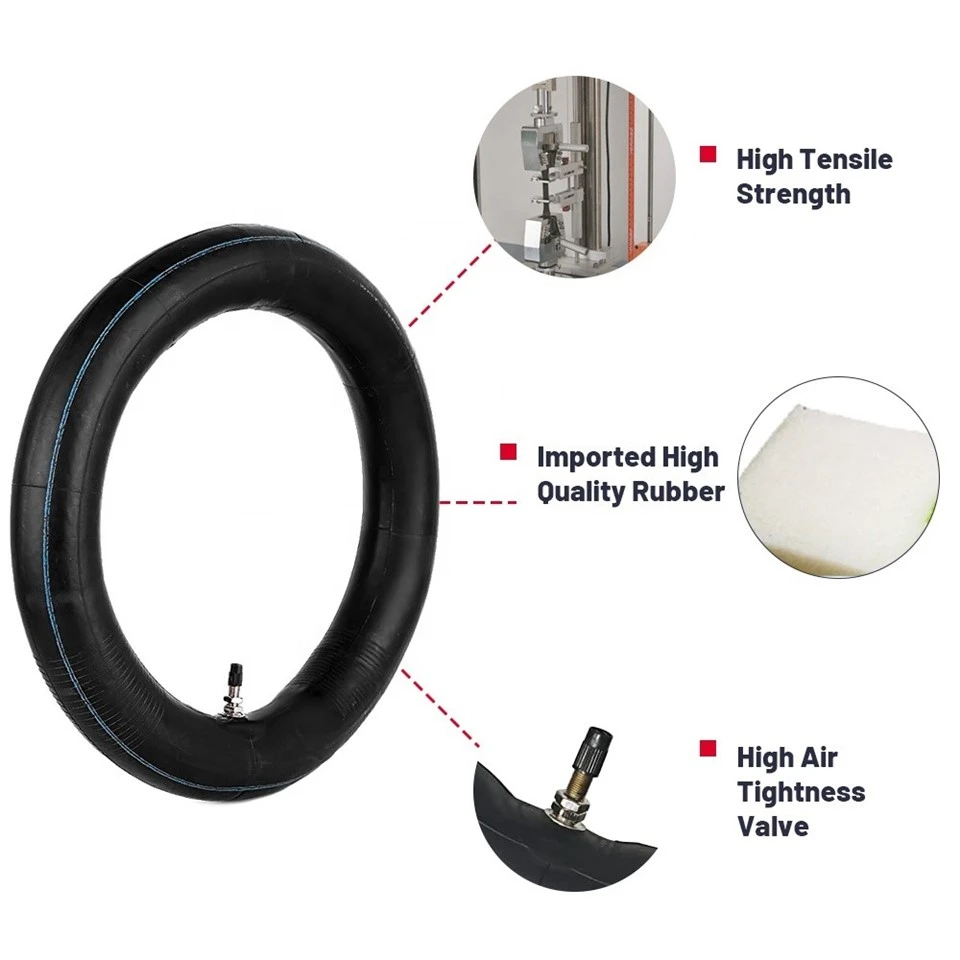
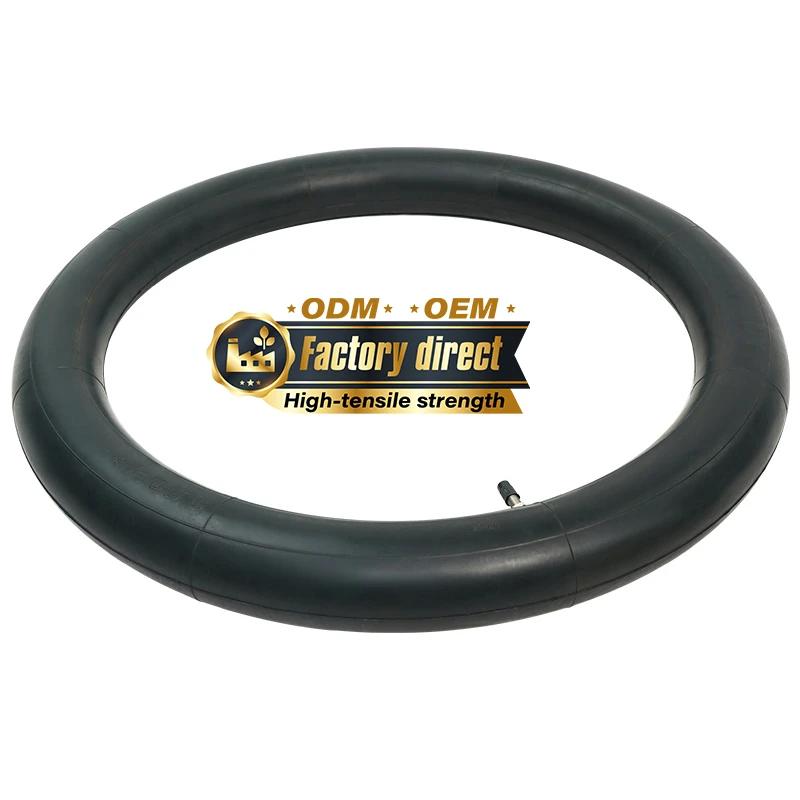
As a tire inner tube supplier, we offer a wide range of high-quality tire inner tubes for various applications. Whether you're looking for 900R20 Truck Inner Tube, 1100R20 Truck Inner Tubes, or Motorcycle Butyl Rubber Tube, we have the right product to meet your needs. Our tire inner tubes are made from premium materials and are designed to provide excellent performance, durability, and reliability.
Conclusion
Regularly checking the air pressure of your tire inner tubes is an essential part of vehicle maintenance. By following the guidelines outlined in this blog post, you can ensure that your tires are properly inflated, which can improve safety, fuel efficiency, and tire longevity. If you have any questions about our tire inner tube products or need further advice on tire maintenance, please don't hesitate to contact us. We're here to help you find the right solutions for your tire needs and look forward to discussing potential procurement opportunities with you.
References
- U.S. Department of Energy. (n.d.). Fuel Economy and Environment. Retrieved from https://www.fueleconomy.gov/feg/maintain.shtml
- National Highway Traffic Safety Administration. (n.d.). Tire Safety. Retrieved from https://www.nhtsa.gov/equipment/tires