

OTR (Off-The-Road) inner tubes are essential components for heavy-duty vehicles operating in challenging environments such as construction sites, mines, and quarries. As a reliable OTR inner tube supplier, I often receive inquiries from customers about how often these inner tubes should be replaced. In this blog post, I will delve into the factors that influence the replacement frequency of OTR inner tubes and provide some practical guidelines.
Factors Affecting the Replacement Frequency of OTR Inner Tubes
1. Usage Conditions
The working environment and usage patterns of OTR vehicles have a significant impact on the lifespan of inner tubes. In harsh conditions, such as rocky terrains, high temperatures, and abrasive surfaces, inner tubes are more likely to suffer from cuts, punctures, and excessive wear. For example, in a mining operation where vehicles are constantly driving over sharp rocks, the risk of tube damage is much higher compared to a relatively smooth construction site.
Vehicles with heavy loads also put more stress on the inner tubes. Overloading can cause the tubes to overheat and wear out faster. Therefore, if your OTR vehicles are frequently carrying heavy loads or operating in extreme conditions, you may need to replace the inner tubes more often.
2. Tube Quality
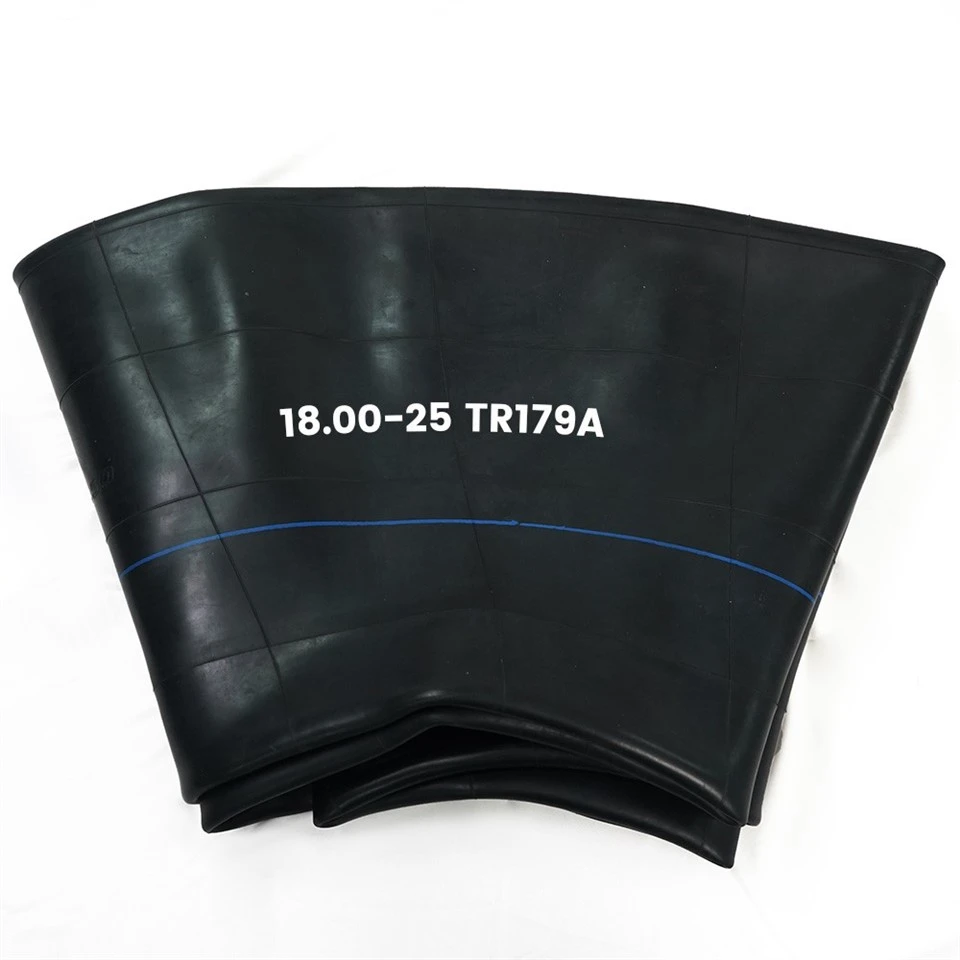
The quality of the OTR inner tube itself is another crucial factor. High - quality inner tubes made from premium materials, such as Butyl Rubber 1800 - 25 Inner Tube, are generally more durable and resistant to damage. Butyl rubber inner tubes, for instance, have excellent air retention properties, which can help maintain proper tire pressure and reduce the risk of heat build - up.
On the other hand, low - quality inner tubes may have inferior rubber compounds that are more prone to cracking, leaking, and premature wear. When purchasing OTR inner tubes, it is important to choose a reputable supplier that offers high - quality products.
3. Maintenance Practices
Proper maintenance can significantly extend the lifespan of OTR inner tubes. Regularly checking the tire pressure is essential. Under - inflated tires can cause the inner tubes to flex excessively, leading to heat generation and eventual failure. Over - inflated tires, on the other hand, can increase the risk of punctures and damage to the tube.
Inspecting the tires and inner tubes for signs of damage, such as cuts, bulges, or leaks, is also important. If any damage is detected, it should be repaired or replaced promptly. Additionally, keeping the tires clean and free from debris can prevent abrasion and damage to the inner tubes.
4. Tube Age
Even if an OTR inner tube has not been subjected to significant wear or damage, it will eventually degrade over time due to natural aging. Rubber materials tend to harden and lose their elasticity as they age, which can make the tubes more brittle and prone to cracking. Generally, OTR inner tubes should be replaced every 3 - 5 years, depending on the storage conditions and usage.
General Guidelines for Replacing OTR Inner Tubes
Based on the above factors, here are some general guidelines for determining when to replace OTR inner tubes:
1. Visual Inspection
Regularly inspect the inner tubes for visible signs of damage. If you notice cuts, cracks, bulges, or excessive wear, it is a clear indication that the tube needs to be replaced. Even small cuts can expand over time and lead to air leakage or tube failure.
2. Air Leakage
If you find that the tire is losing air more quickly than normal, it could be a sign of a leak in the inner tube. You can use a soapy water solution to check for leaks. Apply the solution to the tube, and if there are bubbles forming, it means there is a leak. In most cases, a leaking inner tube should be replaced.
3. Mileage and Operating Hours
Although it is difficult to provide an exact mileage or operating hour limit for OTR inner tubes, as it depends on various factors, a general rule of thumb is to consider replacement after a certain amount of use. For vehicles operating in normal conditions, replacing the inner tubes every 10,000 - 15,000 miles or 2,000 - 3,000 operating hours may be appropriate. However, in harsh conditions, this interval may need to be reduced.
4. Age
As mentioned earlier, regardless of the usage, OTR inner tubes should be replaced every 3 - 5 years. This is to prevent failures due to natural aging of the rubber.
Our OTR Inner Tube Products
As an OTR inner tube supplier, we offer a wide range of high - quality products to meet the diverse needs of our customers. Our INKLIDA Inner Tube 16.00 - 20 is designed for heavy - duty applications and provides excellent durability and performance. It is made from high - grade rubber materials that can withstand the rigors of off - road use.
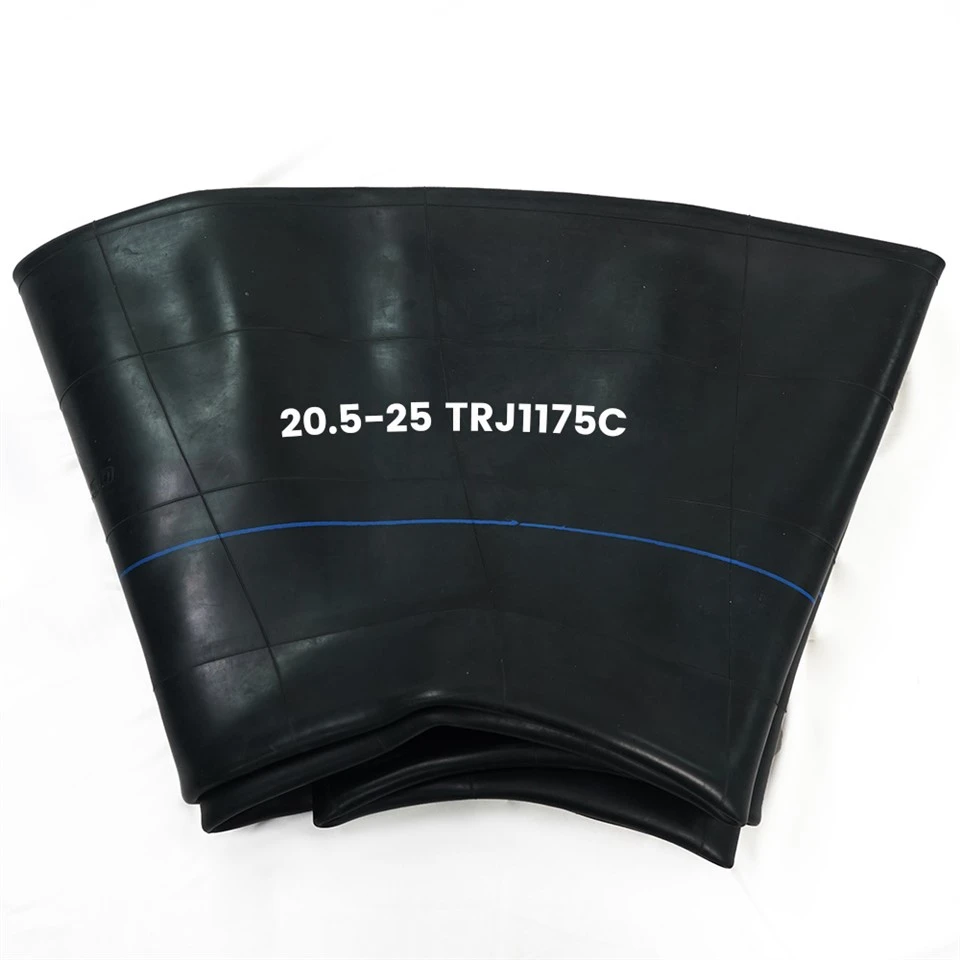
Another popular product is our 20.5 - 25 INKLIDA Inner Tube. This inner tube is suitable for large OTR vehicles and offers superior air retention and resistance to heat and wear.
Conclusion
Determining how often to replace OTR inner tubes is not a one - size - fits - all answer. It depends on a variety of factors, including usage conditions, tube quality, maintenance practices, and tube age. By regularly inspecting the inner tubes, maintaining proper tire pressure, and following the general guidelines mentioned above, you can ensure the safety and performance of your OTR vehicles.
If you are in need of high - quality OTR inner tubes or have any questions about tube replacement, please feel free to contact us. We are committed to providing the best products and services to our customers.
References
- "Tire and Inner Tube Handbook" - A comprehensive guide on tire and inner tube technology and maintenance.
- Industry research reports on OTR vehicle components and their lifespan.