

Snow tubing is an exhilarating winter activity that offers endless fun for people of all ages. One of the most thrilling aspects of snow tubing is controlling the speed at which you slide down the hill. As a leading snow tubes supplier, we understand the importance of providing you with the knowledge and tools to optimize your snow tubing experience. In this blog post, we'll explore various techniques and factors that can help you adjust the speed of a snow tube, ensuring a safe and exciting ride every time.
Understanding the Basics of Snow Tube Speed
Before delving into the techniques for adjusting speed, it's essential to understand the basic principles that govern how fast a snow tube travels down a hill. The speed of a snow tube is primarily determined by three main factors: gravity, friction, and the angle of the slope.
- Gravity: Gravity is the force that pulls the snow tube and its rider down the hill. The steeper the slope, the greater the gravitational force acting on the tube, resulting in a faster descent.
- Friction: Friction is the resistance encountered by the snow tube as it slides across the snow. Factors such as the texture of the snow, the surface of the tube, and the weight of the rider can all affect the amount of friction. More friction will slow down the tube, while less friction will allow it to move more freely.
- Angle of the Slope: The angle of the slope plays a crucial role in determining the speed of the snow tube. A steeper slope will cause the tube to accelerate more quickly, while a shallower slope will result in a slower descent.
Techniques for Adjusting Snow Tube Speed
Now that we have a better understanding of the factors that influence snow tube speed, let's explore some techniques you can use to adjust the speed of your ride.
1. Body Positioning
Your body position inside the snow tube can have a significant impact on its speed. By adjusting your posture, you can either increase or decrease the amount of friction and control the tube's movement.
- To Increase Speed: To increase your speed, lean forward and tuck your body into a compact position. This reduces the surface area of your body exposed to the wind, minimizing air resistance and allowing the tube to move more freely. Additionally, keep your legs straight and your feet together to maintain a streamlined shape.
- To Decrease Speed: To slow down, lean back and spread your legs slightly. This increases the surface area of your body in contact with the tube, creating more friction and reducing the tube's speed. You can also drag your hands or feet in the snow to further increase friction and slow down the tube.
2. Tube Selection
The type and size of the snow tube you choose can also affect its speed. Different tubes have varying levels of resistance and maneuverability, which can impact how quickly they travel down the hill.
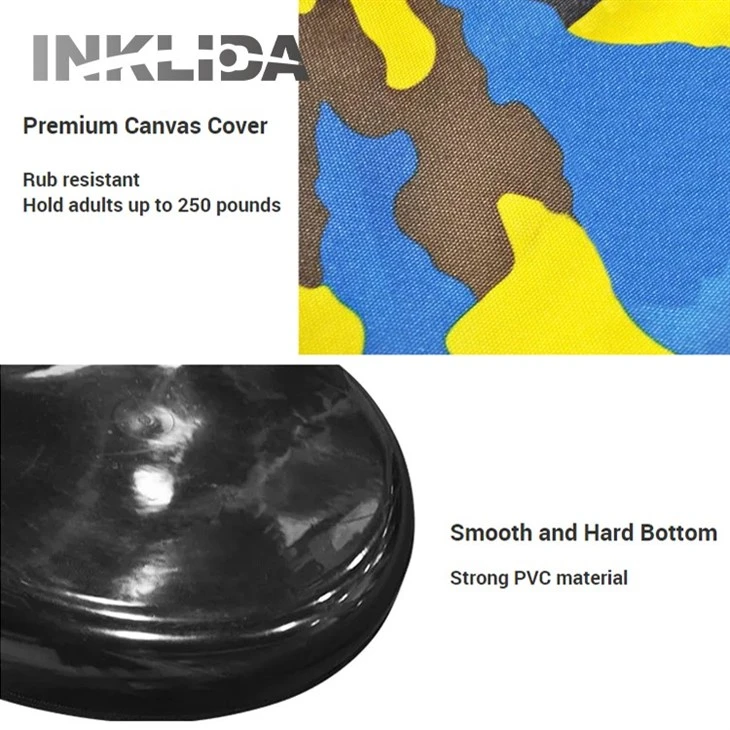
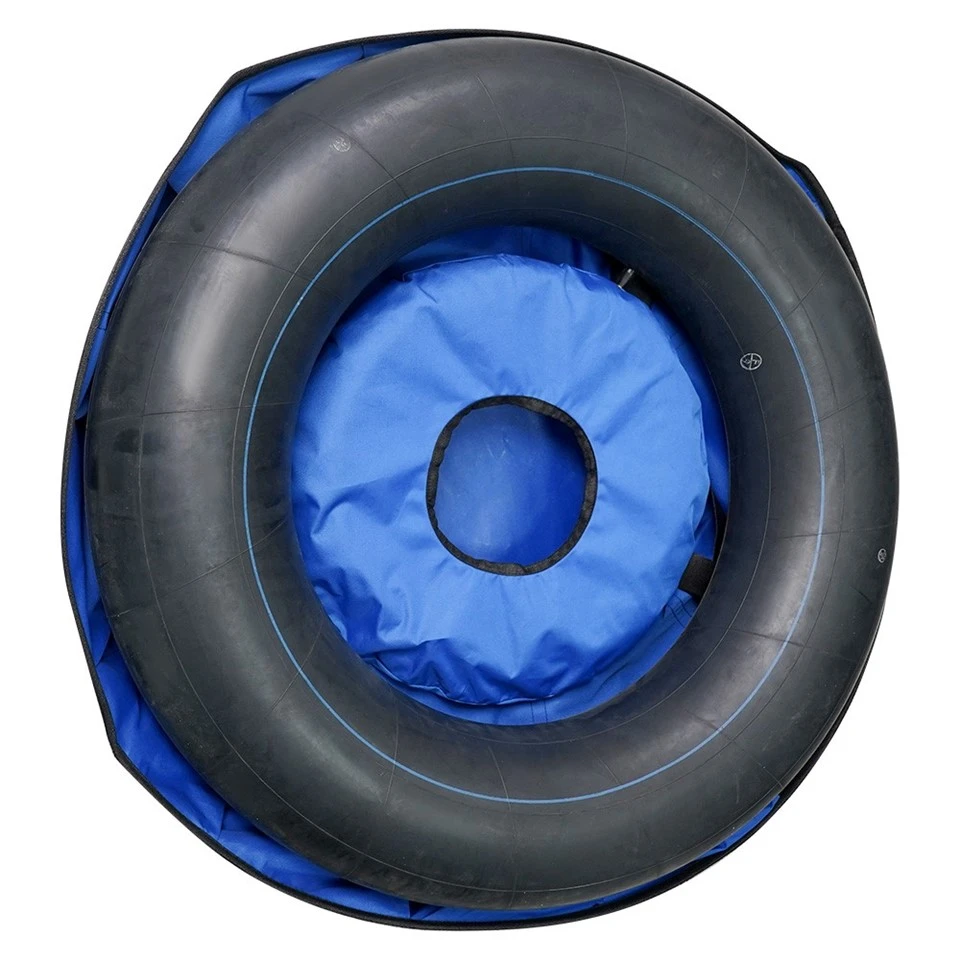
- Larger Diameter Tubes: Generally, larger diameter tubes tend to have a higher top speed because they have more surface area in contact with the snow, providing greater stability and allowing for faster acceleration. If you're looking for a thrilling, high-speed ride, consider using a larger tube such as the 44 Inch Snow Tubing With PVC Bottom For Winter Sports.
- Smaller Diameter Tubes: Smaller tubes are typically more maneuverable but may not reach the same high speeds as larger tubes. They are a great option for beginners or those looking for a more controlled ride. Our 80cm Custom Snow Tube is a popular choice for riders of all skill levels.
3. Surface Conditions
The condition of the snow and the slope can have a significant impact on the speed of your snow tube. Different surface conditions provide varying levels of friction, which can either increase or decrease your speed.
- Fresh, Powdery Snow: Fresh, powdery snow offers less friction than packed snow, allowing the tube to slide more easily and reach higher speeds. If possible, try to find a slope with fresh snow for a faster ride.
- Packed Snow: Packed snow is more compact and provides more friction, which can slow down the tube. However, it also offers better control and stability, making it a good option for beginners or those who prefer a more gentle ride.
- Ice: Ice is extremely smooth and offers very little friction, resulting in extremely high speeds. Riding on ice can be dangerous and should only be attempted by experienced riders. If you encounter ice on the slope, use caution and adjust your speed accordingly.
4. Equipment Maintenance
Proper maintenance of your snow tube is essential for optimal performance. A well-maintained tube will have less friction and will be able to slide more easily down the hill, resulting in a faster ride.
- Clean the Tube: After each use, clean the snow tube with a mild soap and water to remove any dirt, debris, or snow that may have accumulated on the surface. This will help to reduce friction and keep the tube in good condition.
- Check for Damage: Regularly inspect the snow tube for any signs of damage, such as tears, punctures, or leaks. If you notice any damage, repair or replace the tube immediately to ensure your safety.
- Inflate the Tube Properly: Make sure the snow tube is inflated to the recommended pressure before each use. An under-inflated tube will have more friction and will not slide as easily, while an over-inflated tube may be unstable and more difficult to control.
Safety Considerations
While adjusting the speed of your snow tube can add an extra element of excitement to your ride, it's important to prioritize safety at all times. Here are some safety tips to keep in mind when adjusting the speed of your snow tube:
- Wear Proper Safety Gear: Always wear a helmet, goggles, and appropriate winter clothing to protect yourself from injuries.
- Follow the Rules of the Slope: Obey all posted signs and instructions, and respect the rights of other riders.
- Start Slow and Build Up Speed: If you're a beginner, start on a gentle slope and gradually increase your speed as you gain confidence and experience.
- Stay in Control: Maintain control of your snow tube at all times, and be prepared to slow down or stop if necessary.
- Avoid Collisions: Keep a safe distance from other riders, and avoid colliding with them or any obstacles on the slope.
Conclusion
Adjusting the speed of a snow tube is a skill that can be mastered with practice and experience. By understanding the basic principles of snow tube speed and using the techniques outlined in this blog post, you can customize your ride to suit your preferences and skill level. As a trusted snow tubes supplier, we offer a wide range of high-quality snow tubes, including the 80cm Custom Snow Tube and High Quality 80cm Snow Tubes, designed to provide you with a safe and exhilarating snow tubing experience.
If you're interested in purchasing snow tubes for your winter activities, we invite you to contact us to discuss your specific requirements. Our team of experts is dedicated to helping you find the perfect snow tubes for your needs and ensuring your satisfaction with every purchase.
References
- "Physics of Snow Tubing." Science Buddies.
- "Snow Tubing Safety Tips." National Ski Areas Association (NSAA).