

As a seasoned supplier of sack truck inner tubes, I understand the paramount importance of ensuring the quality of these essential components. A high - quality inner tube not only enhances the performance of the sack truck but also extends its lifespan, reducing the frequency of replacements and saving costs for our customers. In this blog, I'll share some effective ways to check the quality of a new sack truck inner tube.
1. Visual Inspection
The first step in assessing the quality of a sack truck inner tube is a thorough visual inspection. Start by examining the surface of the inner tube for any visible defects. Look for cuts, punctures, or abrasions. Even the smallest cut can lead to air leakage over time, which will compromise the functionality of the inner tube.
Check the color of the inner tube. A uniform color indicates consistent manufacturing processes. Discoloration may suggest issues such as improper vulcanization or the use of low - quality raw materials. For instance, a yellowish tint in a tube that is supposed to be black could be a sign of over - heating during production.
Inspect the valve. The valve should be firmly attached to the inner tube. Any signs of looseness or misalignment can cause air to escape. The valve core should be in good condition, without any signs of damage or blockage. A faulty valve can make it difficult to inflate or deflate the inner tube properly.
2. Material Quality
The material used in the manufacturing of the inner tube is a crucial factor in determining its quality. Most sack truck inner tubes are made of rubber, but not all rubbers are created equal. High - quality rubber is more resistant to wear, tear, and aging.
One way to test the material quality is to perform a simple stretch test. Gently stretch a small section of the inner tube. A good - quality inner tube will stretch evenly without tearing or showing signs of excessive thinning. If the tube tears easily or leaves behind a lot of residual stretch after being released, it may be made of low - quality rubber.
Another aspect to consider is the hardness of the rubber. A too - soft rubber may be prone to punctures, while a too - hard rubber may lack flexibility and be more likely to crack under stress. The ideal hardness can vary depending on the specific application of the sack truck, but generally, a medium - hardness rubber provides a good balance between durability and flexibility.
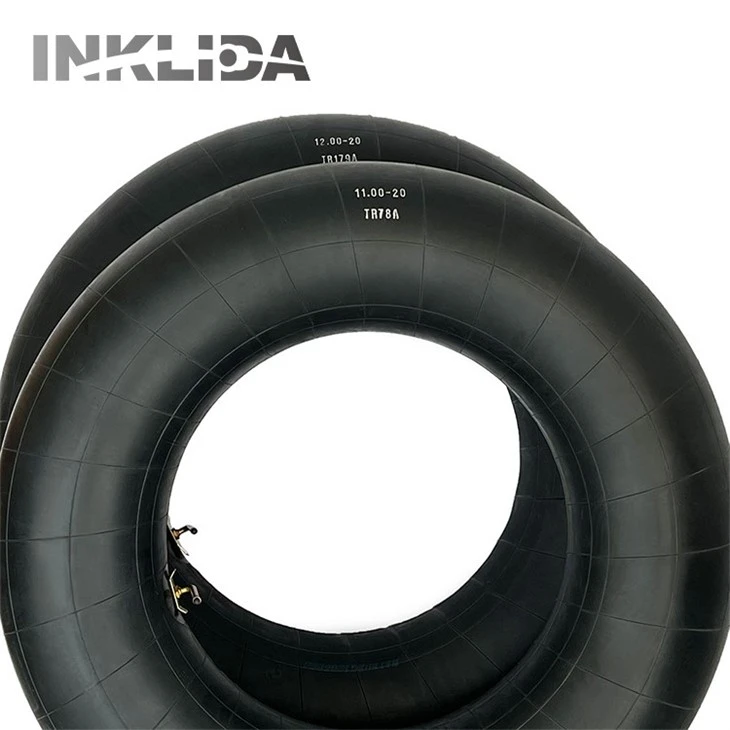
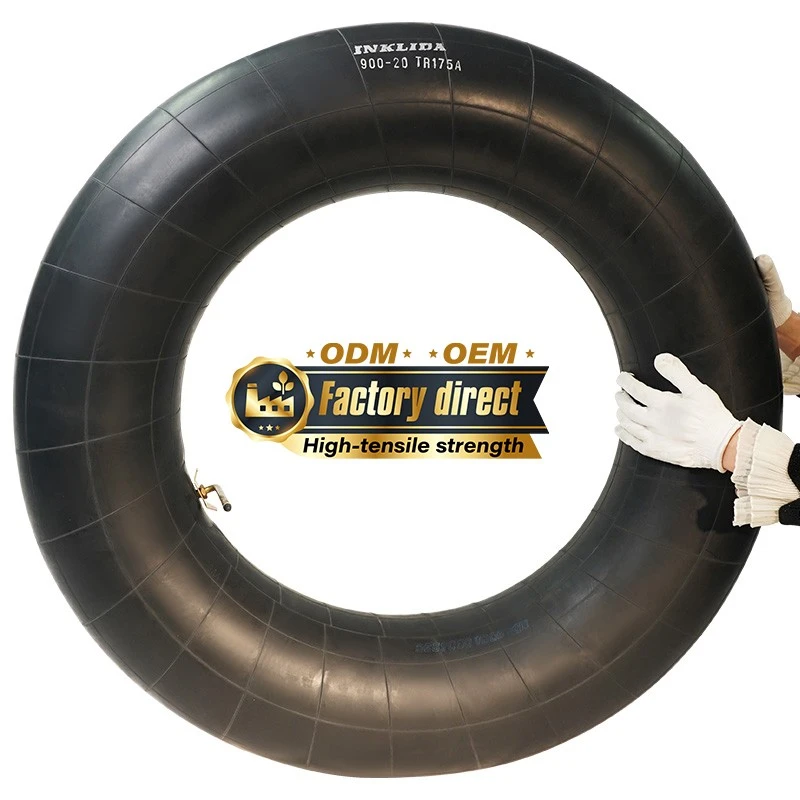
3. Size and Dimensions
Proper sizing is essential for a sack truck inner tube to function correctly. An inner tube that is too small or too large for the tire can cause problems such as uneven wear, reduced load - carrying capacity, and difficulty in installation.
Measure the diameter and width of the inner tube. Compare these measurements with the specifications provided by the tire manufacturer. The inner tube should fit snugly inside the tire without being too tight or too loose. Pay attention to the recommended inflation pressure range as well. An inner tube that is not sized correctly may not be able to maintain the proper inflation pressure, leading to premature failure.
4. Air Retention Test
One of the most important functions of a sack truck inner tube is to retain air. To test the air retention of a new inner tube, inflate it to the recommended pressure using a reliable air pump. Then, place the inflated inner tube in a safe area and check the pressure after a certain period, for example, 24 hours.
A high - quality inner tube should lose only a minimal amount of pressure over time. If the pressure drops significantly, it indicates that the inner tube has air leakage issues. This could be due to manufacturing defects, such as poor sealing or microscopic holes in the rubber.
5. Compatibility with the Sack Truck
The inner tube must be compatible with the specific sack truck it is intended for. Different sack trucks may have different tire sizes, load - carrying capacities, and operating conditions.
Consider the load requirements of the sack truck. A heavy - duty sack truck that is used to carry large loads will need an inner tube with a higher load - bearing capacity. Make sure the inner tube you are considering can handle the expected load without deforming or failing prematurely.
The operating environment also matters. If the sack truck is used in rough or abrasive conditions, such as on construction sites or in warehouses with sharp debris, the inner tube should be more resistant to punctures and cuts.
6. Performance Testing
In addition to the above - mentioned tests, it can be beneficial to conduct some performance tests. Install the inner tube on a sack truck and use it in a real - world scenario. Observe how the sack truck performs. Does it roll smoothly? Is there any unusual noise or vibration?
During the test, pay attention to how the inner tube responds to different loads and terrains. A high - quality inner tube will provide consistent performance, regardless of the conditions. If you notice any issues such as poor handling or frequent flats, it may indicate a problem with the inner tube.
7. Manufacturer Reputation
The reputation of the manufacturer can also be a good indicator of the quality of the inner tube. A well - established manufacturer with a history of producing high - quality products is more likely to provide a reliable inner tube.
Look for manufacturers that have certifications or comply with industry standards. For example, ISO 9001 certification indicates that the manufacturer has a quality management system in place. Read customer reviews and testimonials to get an idea of the experiences of other users. A manufacturer with a lot of positive feedback is more likely to produce good - quality products.
8. Comparison with Similar Products
If possible, compare the sack truck inner tube you are considering with other similar products on the market. Look at factors such as price, features, and customer reviews. A product that offers a good balance between price and quality is often a better choice.
You can also compare the specifications of different inner tubes. For example, compare the load - carrying capacity, air retention rate, and material quality. This can help you make an informed decision about which inner tube is the best fit for your needs.
Conclusion
Checking the quality of a new sack truck inner tube is a multi - step process that involves visual inspection, material testing, performance evaluation, and more. By paying attention to these factors, you can ensure that you are getting a high - quality inner tube that will provide reliable performance and long - term durability.
As a supplier of sack truck inner tubes, we are committed to providing our customers with the best - quality products. We offer a wide range of inner tubes, including Mining Truck Inner Tube, 20 Inch Truck Inner Tube, and 825 - 20 Truck Inner Tubes. If you are interested in purchasing our products or have any questions about our inner tubes, please feel free to contact us for a procurement discussion. We look forward to serving you and meeting your needs.
References
- ASTM International. (2023). Standards related to rubber products for industrial use.
- Rubber Manufacturers Association. (2023). Guidelines for the quality assessment of rubber inner tubes.