

Hey there! As a supplier of hand cart inner tubes, I've seen firsthand how crucial it is to keep those tubes properly inflated. It's not just about making your hand cart roll smoothly; it's also about safety and getting the most out of your equipment. In this blog, I'll share some tips on how to ensure the proper inflation of a hand cart inner tube.
Why Proper Inflation Matters
First off, let's talk about why proper inflation is so important. When your hand cart inner tube is under - inflated, it has to work harder to support the weight of the load. This can cause the tube to wear out faster, and it also makes the cart more difficult to push. You might notice that the cart feels sluggish or that the wheels seem to sink into the ground more than they should.
On the other hand, over - inflation can be just as bad. An over - inflated tube is more likely to burst, especially if it hits a sharp object or goes over a bump. It also provides a rougher ride because it doesn't absorb shocks as well as a properly inflated tube. So, finding that sweet spot is key.
Checking the Recommended Pressure
The first step in ensuring proper inflation is to find out the recommended pressure for your hand cart inner tube. This information is usually printed on the side of the tube itself or in the owner's manual of your hand cart. It's important to follow these guidelines because different tubes are designed to handle different pressures based on their size and the type of load they're meant to carry.
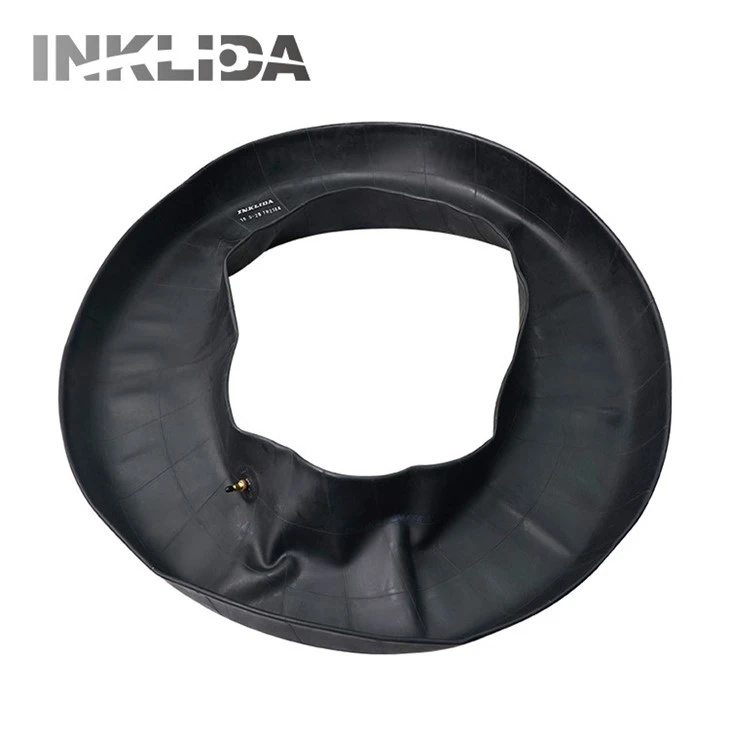
For example, if you're using a Tractor Tire Inner Tube 16.9 - 28 TR218A, the recommended pressure will be specific to that tube's design. Using the wrong pressure can lead to all sorts of problems, so take a few seconds to check.
Tools You'll Need
To inflate your hand cart inner tube, you'll need a few basic tools. The most important one is a good quality tire pressure gauge. You can find these at any auto parts store or even at some hardware stores. A gauge will help you accurately measure the pressure in the tube so you can make sure it's at the right level.
You'll also need an air source. This could be a hand pump, a floor pump, or an air compressor. Hand pumps are great for small jobs and are easy to carry around, but they can be a bit of a workout. Floor pumps are more powerful and can inflate a tube faster, and air compressors are the quickest option if you have access to one.
Inflating the Inner Tube
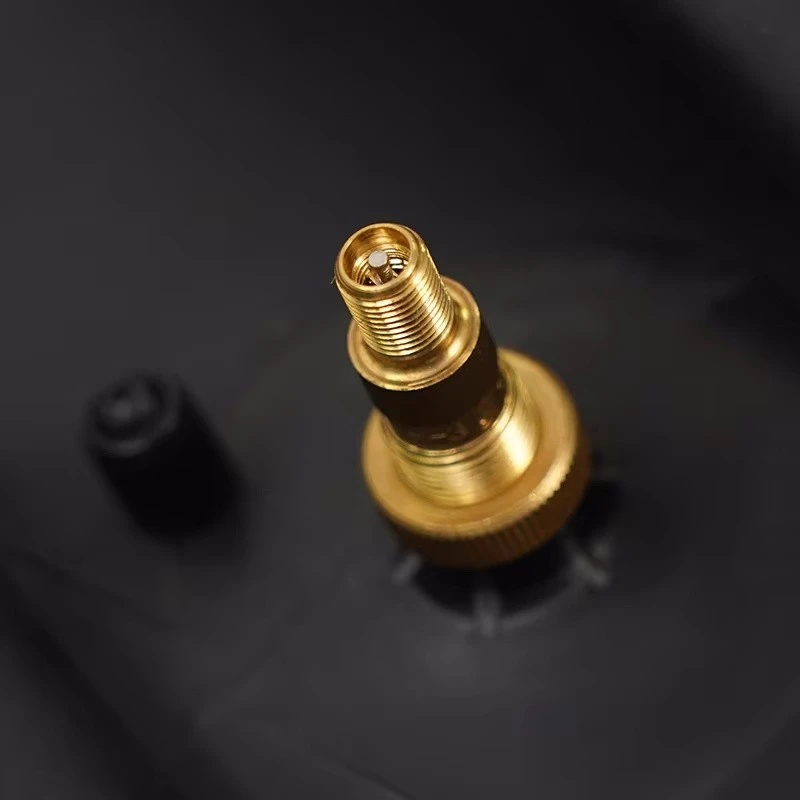
Once you have your tools ready, it's time to start inflating the tube. First, remove the valve cap from the tube. This is the small cap on the valve stem that keeps dirt and debris out.
If you're using a hand pump or a floor pump, attach the pump head to the valve stem. Make sure it's a snug fit so no air leaks out. Then, start pumping. As you pump, periodically check the pressure with your gauge. It's better to add air in small increments and check the pressure often than to over - inflate the tube.
If you're using an air compressor, attach the compressor hose to the valve stem. Most compressors have a pressure regulator, so set it to the recommended pressure for your tube. Then, turn on the compressor and let it fill the tube. Keep an eye on the pressure gauge to make sure it doesn't go over the recommended level.
Maintaining the Proper Pressure
Proper inflation isn't a one - time thing. You need to regularly check the pressure of your hand cart inner tube to make sure it stays at the right level. Changes in temperature can affect the pressure in the tube. For example, in cold weather, the air inside the tube contracts, which can cause the pressure to drop. In hot weather, the air expands, and the pressure can increase.
It's a good idea to check the pressure at least once a month, or more often if you use your hand cart frequently. Also, before you take your hand cart on a long trip or carry a heavy load, give the tubes a quick pressure check.
Other Tips for Inner Tube Care
In addition to proper inflation, there are a few other things you can do to take care of your hand cart inner tubes. First, avoid overloading your hand cart. Each tube has a maximum weight capacity, and exceeding this can put extra stress on the tube and cause it to wear out faster.
Also, try to keep your hand cart away from sharp objects and rough surfaces. Punctures are one of the most common problems with inner tubes, and a single puncture can render a tube useless if it's not repaired quickly.
If you have a Farm and Implement Inner Tube or a 38 Inch Inner Tube, make sure to store it properly when it's not in use. Keep it in a cool, dry place away from direct sunlight and chemicals, as these can cause the rubber to deteriorate over time.
Conclusion
Ensuring the proper inflation of a hand cart inner tube is essential for the performance and longevity of your hand cart. By following these tips, you can keep your tubes in good shape and avoid common problems like flats and bursts.
If you're in the market for high - quality hand cart inner tubes or have any questions about proper inflation, don't hesitate to reach out. We're here to help you get the most out of your equipment. Whether you need a Tractor Tire Inner Tube 16.9 - 28 TR218A, a Farm and Implement Inner Tube, or a 38 Inch Inner Tube, we've got you covered. Let's talk and find the perfect solution for your needs.
References
- General knowledge from years of experience in the hand cart inner tube supply industry.
- Manufacturer's guidelines and specifications for hand cart inner tubes.