

Hey there! As a supplier of OTR (Off-The-Road) inner tubes, I've seen my fair share of tube bursts. It's a real pain in the neck for both us suppliers and you, the users. A burst inner tube can lead to costly downtime, not to mention the hassle of replacing it. So, I thought I'd share some tips on how to prevent those pesky OTR inner tubes from bursting.
Proper Installation
First things first, proper installation is crucial. You wouldn't believe how many tube bursts happen because of improper installation. When you're putting in a new inner tube, make sure the tire is clean and free of any debris. Any small rocks or sharp objects left inside the tire can puncture the inner tube.
Also, check the valve stem. It should be straight and properly seated. A bent or misaligned valve stem can cause air leaks, which can lead to uneven pressure inside the tube and eventually a burst. And don't forget to use talcum powder on the inner tube before installation. This helps the tube slide easily inside the tire and reduces friction.
Correct Inflation
Inflation is another key factor. Over - inflation and under - inflation are both bad news for your OTR inner tubes. When you over - inflate a tube, it becomes too stiff and more prone to bursting under pressure. On the other hand, under - inflation causes the tube to flex more than it should, which can lead to heat buildup and structural damage.
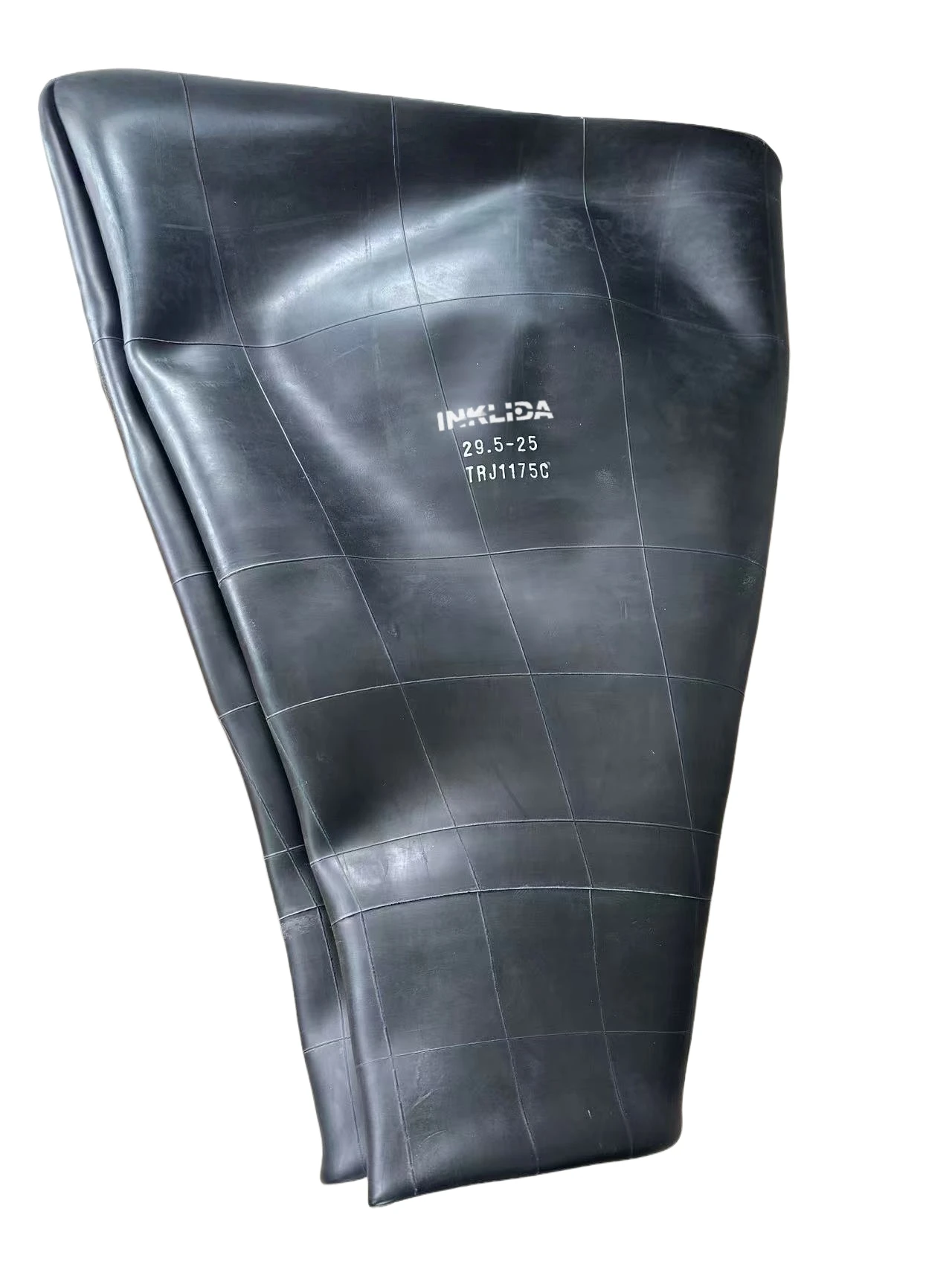
You need to follow the manufacturer's recommended inflation pressure. This information is usually printed on the side of the tire. Use a good quality pressure gauge to check the inflation regularly, especially before long - haul trips or heavy - duty work. For example, our Heavy Duty OTR Inner Tube 29.5 - 25 TRJ1175C has specific inflation requirements that you should stick to.
Quality of the Inner Tube
The quality of the inner tube itself matters a great deal. You get what you pay for, and when it comes to OTR inner tubes, investing in a high - quality product can save you a lot of trouble in the long run. Our company takes pride in offering top - notch OTR inner tubes. We use high - grade rubber compounds that are resistant to heat, abrasion, and punctures.
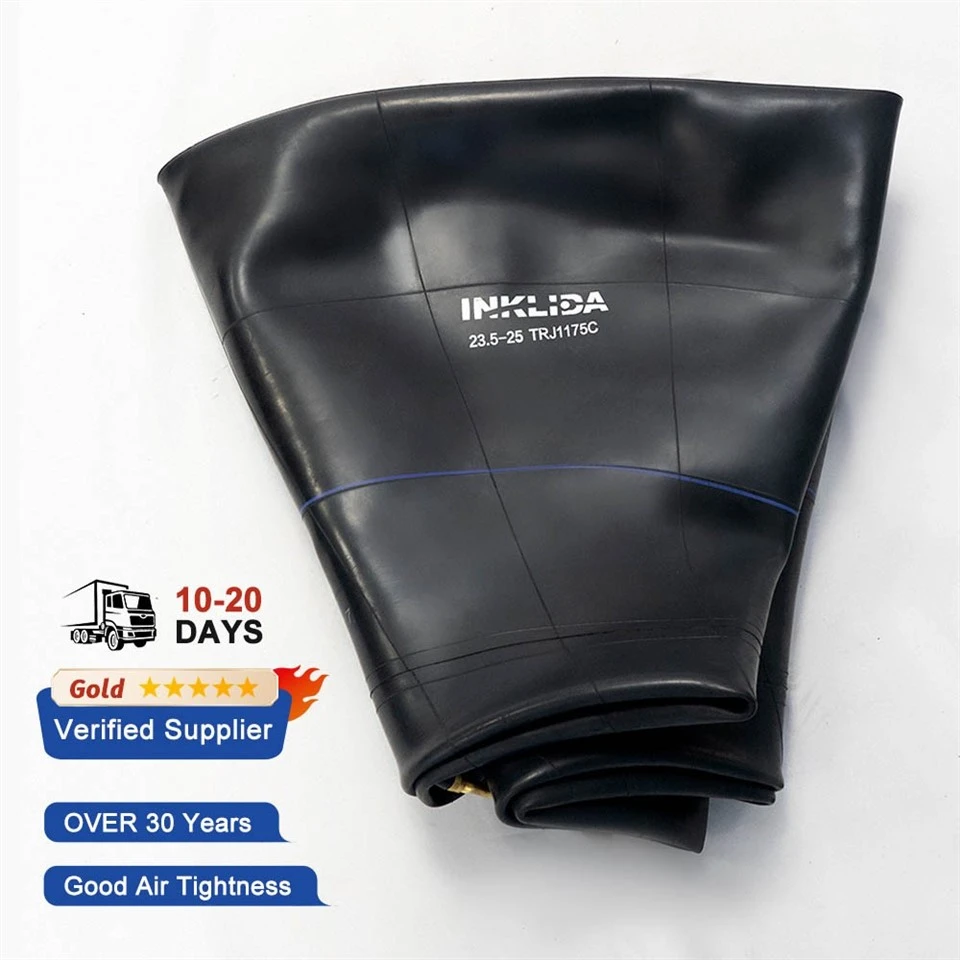
For instance, our OTR Tire Inner Tube 23.5 - 25 is made with advanced manufacturing techniques to ensure durability. It has a strong construction that can withstand the harsh conditions of off - road use.
Regular Inspections
Regular inspections are a must. You should visually inspect your OTR inner tubes at least once a week. Look for signs of wear and tear, such as cracks, cuts, or bulges. These can be early indicators of a potential burst.
Check the valve area for any signs of leakage. A small air leak might seem insignificant at first, but it can gradually lead to a loss of pressure and cause problems. Also, examine the inner tube for any signs of friction or rubbing against the tire. If you notice any issues, it's better to replace the tube before it bursts.
Driving and Operating Conditions
The way you drive and operate your vehicle also affects the lifespan of your OTR inner tubes. Avoid driving over rough terrain at high speeds. Bumps and potholes can put a lot of stress on the tubes, increasing the risk of a burst.
If you're using a loader or other heavy - equipment, make sure you're not overloading it. Overloading can cause excessive pressure on the tires and inner tubes. Our Loader Tire Inner Tube is designed to handle heavy loads, but there are still limits. Follow the weight - capacity guidelines to keep your tubes in good shape.
Storage
Proper storage is often overlooked but is very important. When you're not using your OTR inner tubes, store them in a cool, dry place away from direct sunlight. Exposure to sunlight and high temperatures can cause the rubber to deteriorate over time, making the tubes more likely to burst.
Keep the tubes away from chemicals and solvents. These can damage the rubber and weaken the structure of the tube. If you're storing the tubes for an extended period, it's a good idea to deflate them slightly to relieve the pressure.
Maintenance Schedule
Create a maintenance schedule for your OTR inner tubes. This should include regular inflation checks, visual inspections, and valve maintenance. By following a schedule, you can catch any potential problems early and take preventive measures.
For example, you can set a reminder to check the inflation pressure every Monday morning before you start your workweek. And every month, do a thorough visual inspection of all the inner tubes on your vehicles or equipment.
Training for Operators
If you have a team of operators using the vehicles or equipment with OTR inner tubes, make sure they're properly trained. They should know how to install, inflate, and maintain the tubes correctly. Provide them with training sessions on the importance of tube care and the signs of potential problems.
A well - trained operator is less likely to cause damage to the inner tubes through improper handling. They'll also be more aware of the warning signs and can report any issues immediately.
In conclusion, preventing OTR inner tubes from bursting requires a combination of proper installation, correct inflation, high - quality products, regular inspections, and good operating practices. By following these tips, you can significantly reduce the risk of tube bursts and save yourself time and money.
If you're in the market for reliable OTR inner tubes, we're here to help. We offer a wide range of products to meet your needs. Whether you need a heavy - duty tube for a large truck or a loader tire inner tube, we've got you covered. Don't hesitate to reach out to us for more information or to discuss your procurement needs. Let's work together to keep your operations running smoothly.
References
- Tire Industry Association Publications
- Manufacturer's Guides for OTR Tires and Inner Tubes