

Reading motorcycle tire markings can seem like deciphering a secret code at first glance. However, understanding these markings is crucial for motorcycle riders as it provides essential information about the tire's size, performance capabilities, and safety features. As a motorcycle tire supplier, I've seen firsthand how important it is for riders to have a clear understanding of these markings. In this blog post, I'll guide you through the process of reading motorcycle tire markings so that you can make informed decisions when it comes to choosing the right tires for your motorcycle.
The Basics of Motorcycle Tire Markings
Motorcycle tire markings are typically found on the sidewall of the tire. They consist of a series of letters and numbers that convey specific information about the tire. Let's break down the most common elements of these markings:
Tire Size
The tire size is one of the most important pieces of information on the sidewall. It is usually represented by a combination of numbers and letters. For example, a marking like "120/70 - 17" indicates the following:
- Width: The first number (120 in this case) represents the width of the tire in millimeters. This measurement is taken from one sidewall to the other at the widest point of the tire.
- Aspect Ratio: The second number (70) is the aspect ratio. It is the ratio of the tire's height to its width. In this example, the height of the tire is 70% of its width.
- Rim Diameter: The final number (17) indicates the diameter of the rim in inches that the tire is designed to fit.
Speed Rating
The speed rating of a tire indicates the maximum speed at which the tire can safely operate under normal conditions. It is represented by a letter. Here are some common speed ratings and their corresponding maximum speeds:
- S: 112 mph (180 km/h)
- T: 118 mph (190 km/h)
- H: 130 mph (210 km/h)
- V: 149 mph (240 km/h)
- W: 168 mph (270 km/h)
- Y: 186 mph (300 km/h)
It's important to choose a tire with a speed rating that matches or exceeds the maximum speed capabilities of your motorcycle.
Load Index
The load index is a number that corresponds to the maximum weight that a tire can support when properly inflated. For example, a load index of 58 means that the tire can support a maximum weight of 275 kg (606 lbs). You can find a load index chart to determine the specific weight capacity for each load index number.
Tread Pattern and Type
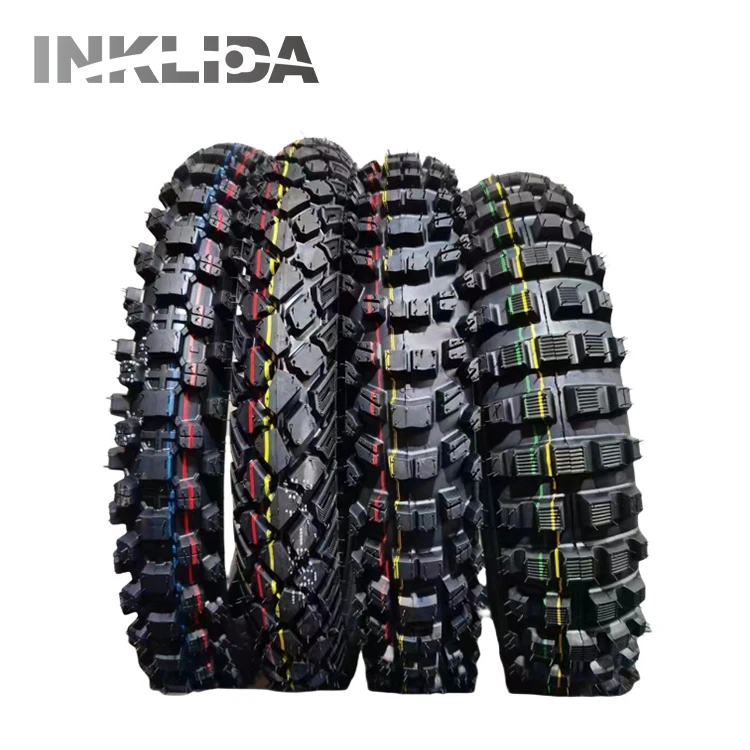
The sidewall may also have markings indicating the tread pattern and type of the tire. For sporty riding, you might look for a Sport Moto Tire which typically has a tread pattern designed for high - speed cornering and excellent grip on paved roads. Classic motorcycles often use Classic Motorcycle Tire with a tread pattern that combines style and performance suitable for normal cruising. If you're into off - road riding, Off Road Motorcycle Tyre have a more aggressive tread pattern for better traction on dirt, mud, and uneven terrain.
Construction Type
The construction type of the tire is usually indicated by a letter. The most common types are "R" for radial construction and "B" for bias - ply construction. Radial tires have cords that run perpendicular to the direction of travel, providing better ride comfort, handling, and longer tread life. Bias - ply tires have cords that run at an angle, which can offer more sidewall flexibility and are often used in some classic or off - road applications.
Understanding Additional Markings
In addition to the basic markings, there may be other symbols and letters on the sidewall that provide more detailed information about the tire.
DOT Marking
The DOT (Department of Transportation) marking indicates that the tire meets the safety standards set by the US Department of Transportation. It also includes a serial number that can be used to identify the tire in case of a recall.
Treadwear, Traction, and Temperature Ratings
Some tires may have ratings for treadwear, traction, and temperature. These ratings are provided by the manufacturer and are a relative measure of the tire's performance in these areas.

- Treadwear: This rating indicates how long the tire is expected to last compared to a control tire. A higher treadwear rating means the tire is expected to last longer.
- Traction: The traction rating is a measure of the tire's ability to stop on wet pavement. Ratings range from AA (highest) to C (lowest).
- Temperature: The temperature rating indicates the tire's ability to dissipate heat. Ratings are A (highest), B, and C.
Why Reading Tire Markings is Important
Safety
Understanding tire markings is essential for safety. Choosing the right tire size, speed rating, and load index ensures that your motorcycle performs as expected and reduces the risk of tire failure, which can be extremely dangerous at high speeds.
Performance
The right tire can significantly enhance the performance of your motorcycle. For example, a tire with a high - performance tread pattern and construction can improve cornering, braking, and acceleration.
Compatibility
Ensuring that the tire is compatible with your motorcycle's rim size and intended use is crucial. Using an incompatible tire can lead to handling problems and premature tire wear.
How to Choose the Right Tires Based on Markings
When choosing motorcycle tires, start by referring to your motorcycle's owner's manual. It will provide the recommended tire size, speed rating, and load index for your specific model. Consider your riding style as well. If you're a sport rider who loves high - speed cornering, a Sport Moto Tire with a high - performance tread pattern and a suitable speed rating is a good choice. For a more laid - back cruising style, a Classic Motorcycle Tire might be more appropriate. If you frequently ride off - road, an Off Road Motorcycle Tyre is essential.
Conclusion
Reading motorcycle tire markings is not as complicated as it may seem at first. By understanding the various elements of these markings, you can make informed decisions when it comes to choosing the right tires for your motorcycle. As a motorcycle tire supplier, I'm committed to providing high - quality tires that meet the needs of riders. Whether you're a beginner or an experienced rider, having the right tires on your motorcycle is crucial for safety and performance.
If you're interested in purchasing motorcycle tires or have any questions about tire markings and selection, I encourage you to reach out for a procurement discussion. We can help you find the perfect tires for your motorcycle based on your specific requirements.
References
- Motorcycle Tire Manufacturer's Guides
- US Department of Transportation Regulations on Motorcycle Tires
- Motorcycle Owner's Manuals