

Hey there, fellow farm enthusiasts! I'm a supplier of farm inner tubes, and I know how important it is to take good care of these essential pieces of equipment, especially during the off - season. In this blog, I'll share some tips on how to store your farm inner tubes properly so they're in top - notch condition when the next farming season rolls around.
Why Proper Storage Matters
First off, let's talk about why storing your farm inner tubes correctly is a big deal. Farm inner tubes are made of rubber, and rubber can degrade over time, especially if it's exposed to the wrong conditions. When you store them properly, you can extend their lifespan, save money, and avoid the hassle of having to replace them prematurely.
If inner tubes are stored in a way that causes damage, like being punctured or getting dry - rotted, they won't perform as well when you need them. This can lead to flat tires, which can slow down your farm work and even cause safety issues. So, taking the time to store them right is definitely worth it.
Cleaning the Inner Tubes
Before you start storing your farm inner tubes, you've got to clean them up. Dirt, debris, and chemicals from the farm can all cause damage to the rubber over time. Start by removing the inner tubes from the tires. This might take a bit of effort, but it's an important step.
Once you've got the inner tubes out, use a mild soap and water solution to wash them. You can use a soft brush to gently scrub away any stubborn dirt or grime. Make sure to rinse them thoroughly to get rid of all the soap. Then, let them dry completely. You don't want any moisture left on the inner tubes, as that can lead to mold and mildew growth.
Inspecting for Damage
While the inner tubes are drying, take a good look at them. Check for any signs of damage, like cuts, punctures, or cracks. If you find any small holes or cuts, you can patch them up using a tube patch kit. It's a pretty simple process, and there are plenty of tutorials online that can show you how to do it.
If the damage is more severe, like a large tear or a lot of dry - rot, you might need to replace the inner tube. It's better to do this now than to wait until the next farming season and have a flat tire in the middle of a big job.
Choosing the Right Storage Location
Now that your inner tubes are clean and inspected, it's time to find the right place to store them. The ideal storage location should be cool, dry, and away from direct sunlight. Sunlight can cause the rubber to break down and become brittle, so you want to keep them in a shaded area.
A basement or a garage can be a good option, as long as they're not prone to flooding or excessive humidity. If you have a storage shed on your farm, make sure it's well - ventilated to prevent the build - up of moisture.
Storing the Inner Tubes
When it comes to actually storing the inner tubes, there are a few different methods you can use. One option is to hang them up. You can use a hook or a peg to hang the inner tubes from the ceiling or a wall. This helps to keep them in a circular shape and prevents them from getting squished or folded, which can cause damage.
Another option is to lay them flat. If you choose to do this, make sure you lay them on a clean, flat surface. You can stack them on top of each other, but don't stack them too high, as this can put too much pressure on the bottom tubes.
Protecting from Pests
Pests can also be a problem when it comes to storing farm inner tubes. Rodents, in particular, like to chew on rubber. To protect your inner tubes from pests, you can use pest - repellent products. There are sprays and granules available that are safe to use around rubber and can keep the pests away.
You can also store the inner tubes in a sealed container. This not only protects them from pests but also from dust and dirt. Just make sure the container is big enough to hold the inner tubes without squeezing them.
Rotating Your Stock
If you're a farmer or a business that uses a lot of farm inner tubes, it's a good idea to rotate your stock. This means using the oldest inner tubes first and storing the newer ones for later. By doing this, you can make sure that all of your inner tubes are used before they start to degrade.
Specific Inner Tubes and Their Storage
Let's talk a bit about some specific types of farm inner tubes. For example, the 28 Inch Farm Tire Tube is a popular size. It's important to follow the general storage guidelines we've talked about, but also make sure it's stored in a way that doesn't put too much stress on the tube.
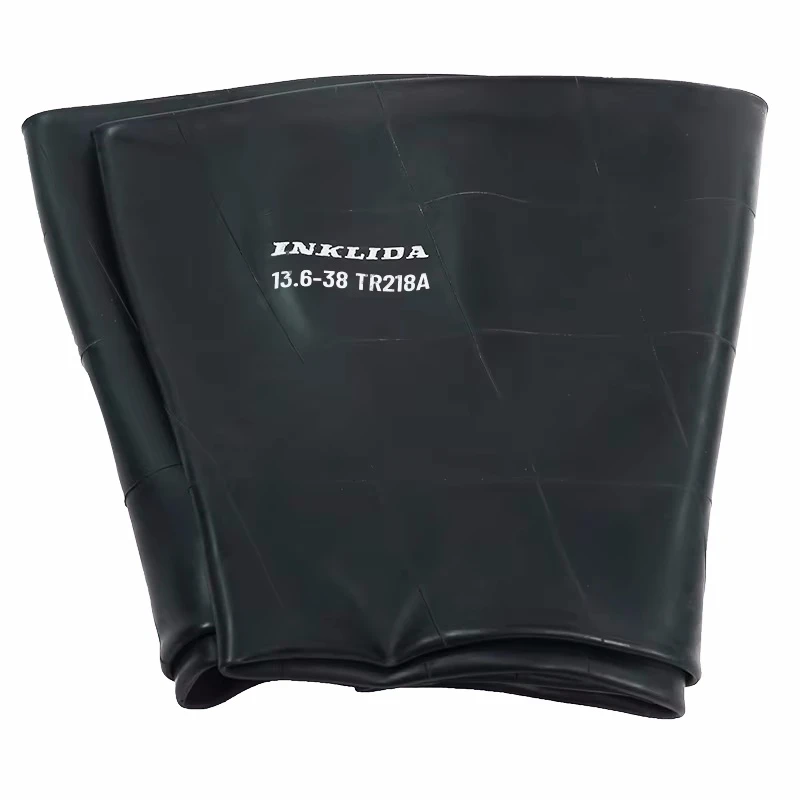
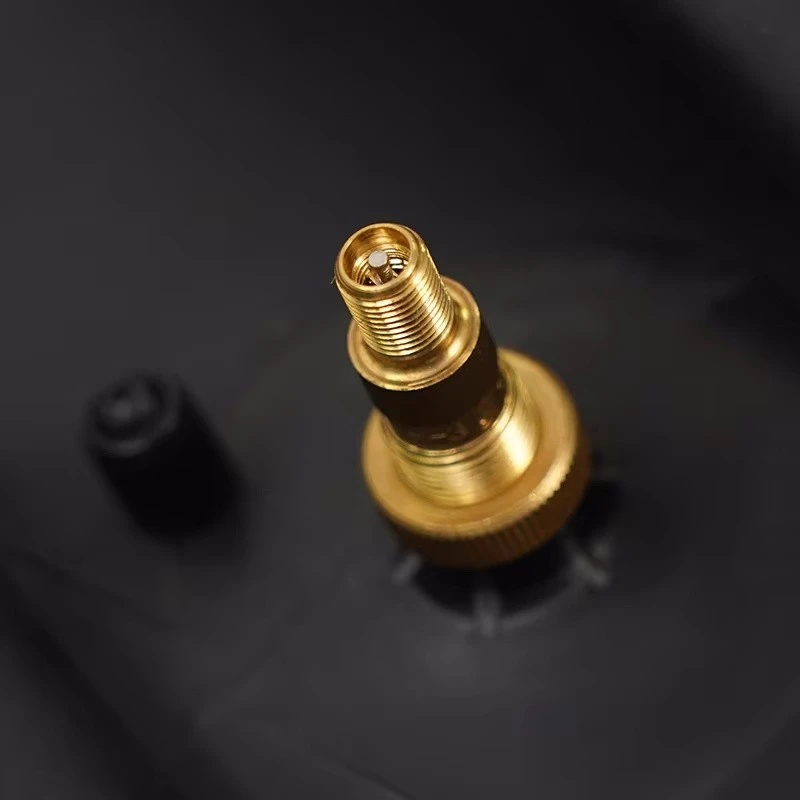
The Tractor Tire Inner Tube 16.9 - 28 TR218A is another common type. These tubes are often used on tractors, which do a lot of heavy - duty work. So, it's even more crucial to store them properly to ensure they're in good condition when you need them.
And then there's the 38 Inch Inner Tube. This larger tube might require a bit more space for storage, but the principles are the same. Keep it clean, dry, and protected from the elements.
Regular Check - Ups
Even if you've stored your farm inner tubes correctly, it's a good idea to do regular check - ups. Every few months, take a look at the inner tubes to make sure they're still in good condition. Check for any signs of damage or degradation. If you notice any problems early on, you can take steps to fix them before they get worse.
Conclusion
Storing your farm inner tubes during the off - season doesn't have to be a complicated process. By following these simple steps, you can keep your inner tubes in great shape and ready for the next farming season. Remember, proper storage is key to extending the lifespan of your inner tubes and saving you money in the long run.
If you're in the market for high - quality farm inner tubes or have any questions about storage, feel free to reach out. We're here to help you find the best solutions for your farm needs. Let's talk and see how we can work together to keep your farm running smoothly.
References
- "Tire and Inner Tube Maintenance Guide" from the Agricultural Equipment Manufacturers Association.
- "Rubber Degradation and Protection" from the Rubber Manufacturers Association.