

As an agricultural tire supplier, I understand the importance of proper tire storage during the off - season. Agricultural tires are a significant investment for farmers and agricultural businesses, and how they are stored can greatly affect their lifespan, performance, and safety. In this blog, I'll share some professional advice on how to store agricultural tires during the off - season.
1. Clean the Tires Thoroughly
Before storing agricultural tires, the first step is to clean them thoroughly. During the farming season, tires can accumulate dirt, mud, chemicals, and other debris. These substances can cause corrosion and damage to the tire rubber over time.
Use a high - pressure hose to remove large chunks of dirt and mud. For stubborn stains and residues, you can use a mild soap solution and a soft brush. Make sure to clean the entire surface of the tire, including the treads and sidewalls. After cleaning, rinse the tires with clean water and let them dry completely. This not only helps prevent the growth of mold and mildew but also allows you to inspect the tires for any signs of damage, such as cuts, bulges, or punctures.
2. Inspect for Damage
Once the tires are clean and dry, conduct a detailed inspection. Look for any visible signs of wear and tear, such as uneven tread wear, which could indicate alignment or suspension issues. Check for cuts, punctures, or bulges on the sidewalls and treads. Small cuts can sometimes be repaired, but more severe damage may require replacement.
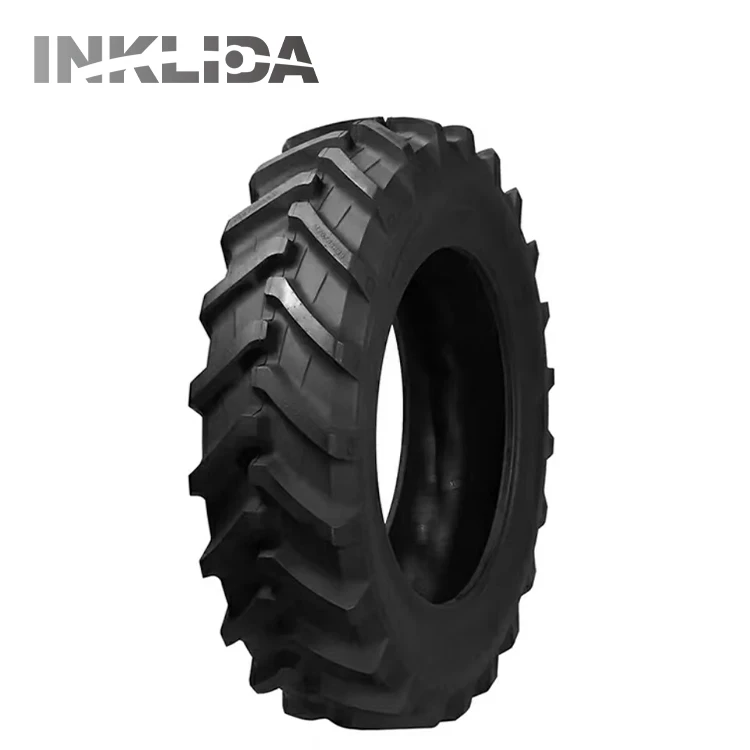
If you find any damaged tires, it's essential to address the issue before storage. For minor cuts, you can use a tire repair kit. However, if the damage is extensive, it's best to replace the tire. Continuing to use or store a damaged tire can pose a safety risk during future operations. Our I3C Harvester Front Tire is a high - quality option that can be considered as a replacement if needed.
3. Proper Inflation
Maintaining the correct tire pressure is crucial during storage. Under - inflated tires can develop flat spots over time, especially when they are stationary for long periods. Over - inflated tires, on the other hand, can cause internal stress and damage to the tire structure.
Refer to the manufacturer's recommendations for the proper inflation pressure for your agricultural tires. Use a reliable tire pressure gauge to check and adjust the pressure as necessary. If you're unsure about the correct pressure, you can also consult our customer service team. It's a good idea to check the tire pressure periodically during the off - season to ensure it remains at the appropriate level.
4. Choose the Right Storage Location
The storage location plays a vital role in preserving the quality of agricultural tires. The ideal storage area should be cool, dry, and away from direct sunlight. Sunlight contains ultraviolet (UV) rays that can cause the rubber to deteriorate over time, leading to cracking and reduced flexibility.
A garage, shed, or indoor storage facility is often the best choice. If indoor storage is not available, you can use tire covers to protect the tires from sunlight and the elements. Avoid storing tires near sources of heat, such as furnaces or heaters, as excessive heat can also damage the rubber. Additionally, keep the tires away from chemicals, solvents, and oils, as these substances can react with the rubber and cause degradation.
5. Storage Orientation
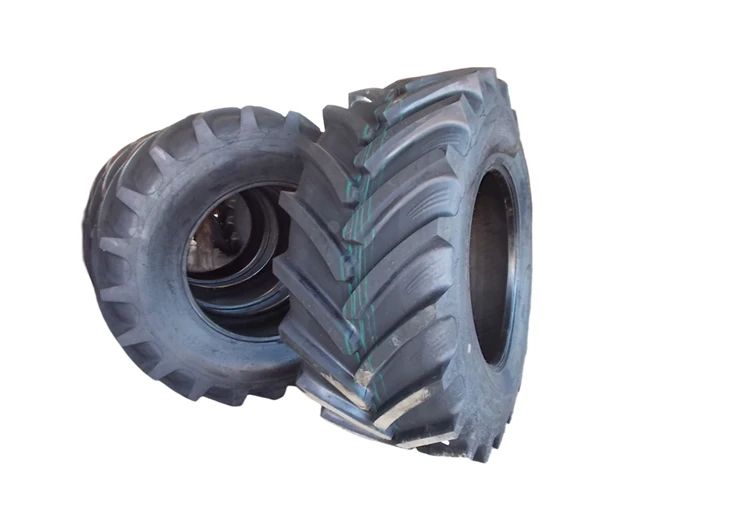
How you position the tires during storage can also impact their condition. For large agricultural tires, it's generally recommended to store them vertically. This helps prevent the development of flat spots and ensures that the weight is evenly distributed. If you need to stack the tires, make sure to stack them in a stable and safe manner, with the largest and heaviest tires at the bottom.
For smaller tires, you can store them horizontally, but be careful not to stack too many on top of each other, as this can cause excessive pressure on the bottom tires. If possible, use tire racks or stands to keep the tires off the ground and prevent contact with moisture and dirt.
6. Protect from Pests
Pests such as rodents and insects can also cause damage to agricultural tires during storage. Rodents may chew on the rubber, creating holes and weakening the tire structure. To prevent this, you can place rodent repellents in the storage area. Some natural repellents, such as peppermint oil or mothballs, can be effective.
Insects, especially termites and ants, can also cause problems. Keep the storage area clean and free of debris to discourage insect infestations. If you notice any signs of pest activity, take immediate action to address the issue.
7. Rotate the Tires
If the tires are going to be stored for an extended period, it's a good idea to rotate them periodically. This helps prevent the development of flat spots and ensures that the wear is evenly distributed. You can rotate the tires every few months, following the same pattern as you would during regular use.
8. Document and Label
To keep track of your stored tires, it's important to document and label them. Write down the tire size, brand, date of purchase, and any other relevant information on a label or tag. This makes it easier to identify the tires when it's time to use them again and also helps you keep track of their age and usage history.
9. Consider Using Tire Additives
There are various tire additives available on the market that can help protect the rubber during storage. These additives can form a protective layer on the tire surface, preventing oxidation, UV damage, and moisture absorption.
When choosing a tire additive, make sure to select one that is suitable for agricultural tires. Follow the manufacturer's instructions carefully when applying the additive. Some additives need to be applied evenly to the tire surface using a sponge or brush, while others can be sprayed on.
10. Regular Check - Ups
Even when the tires are in storage, it's important to conduct regular check - ups. Inspect the tires for any signs of damage, changes in pressure, or pest activity. Check the storage area for any signs of leaks, moisture, or other issues that could affect the tires.
If you notice any problems during the check - ups, take immediate action to address them. This could involve adjusting the tire pressure, repairing a small cut, or moving the tires to a more suitable storage location.
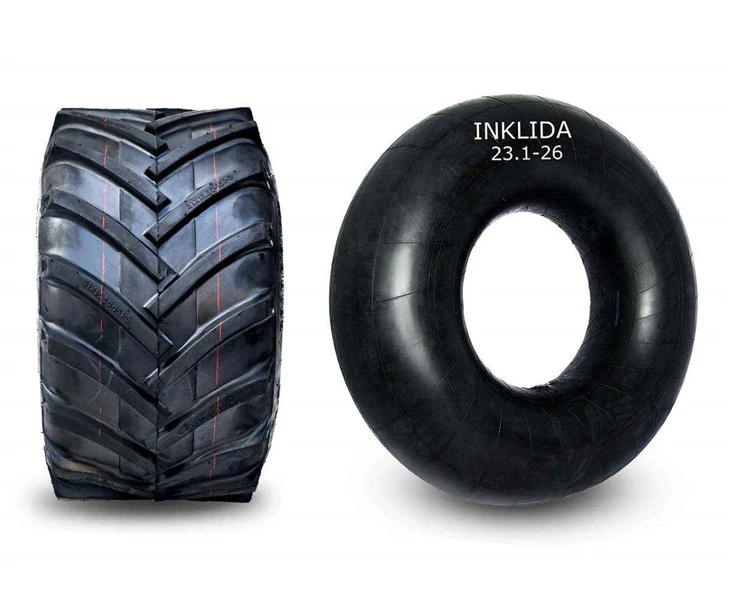
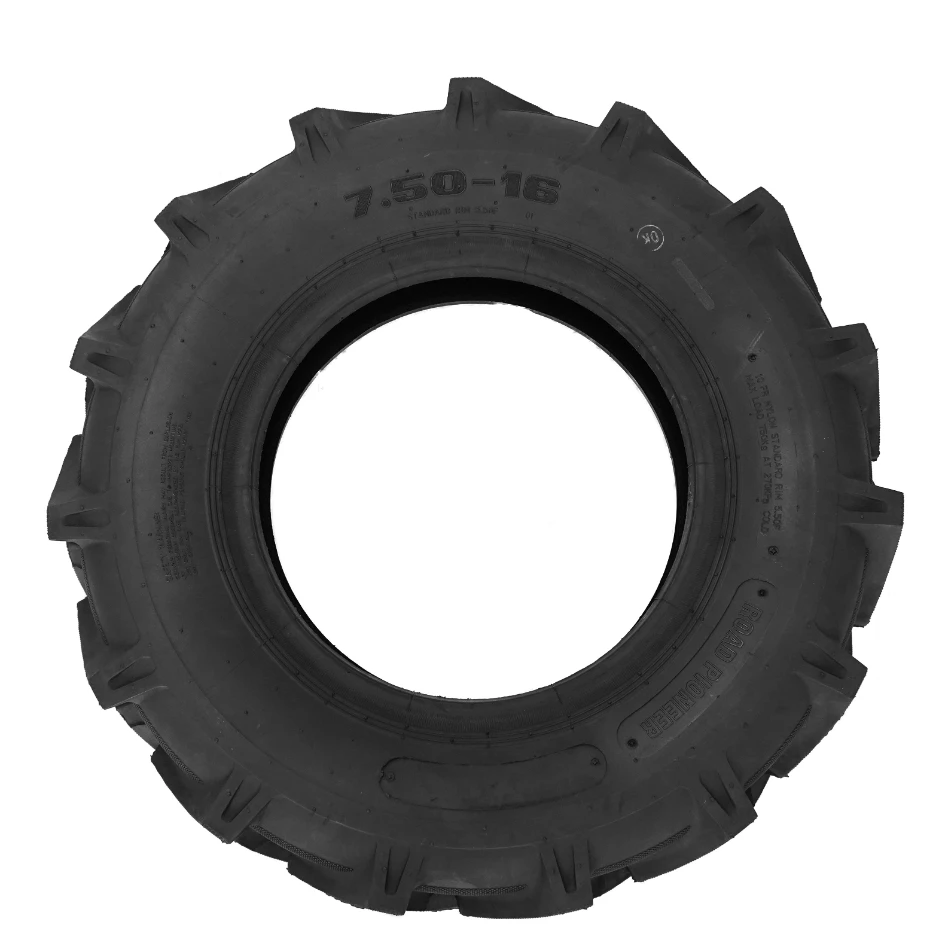
At our company, we offer a wide range of high - quality agricultural tires, such as the R1W Strong Traction Self Cleaning AGR Tire and the Bias Tractor Front Tyre 7.50 - 16. If you have any questions about tire storage or need assistance in choosing the right tires for your agricultural equipment, please don't hesitate to contact us. We are here to help you make the most of your tire investment and ensure the smooth operation of your farming activities.
If you're interested in purchasing agricultural tires or have any other inquiries, feel free to reach out to us. Our team of experts is ready to assist you in finding the perfect tires for your needs and provide you with professional advice on tire maintenance and storage.
References
- Tire Industry Association. (20XX). Tire Storage Guidelines.
- Agricultural Equipment Manufacturers Association. (20XX). Best Practices for Agricultural Tire Maintenance and Storage.