

How to Test the Integrity of OTR Inner Tubes
As a supplier of OTR (Off-the-Road) inner tubes, ensuring the integrity of these products is of utmost importance. OTR inner tubes are used in various heavy - duty vehicles, such as backhoes, excavators, and large mining trucks. A faulty inner tube can lead to tire failure, downtime, and even safety hazards. In this blog, I will share some effective methods to test the integrity of OTR inner tubes.
Visual Inspection
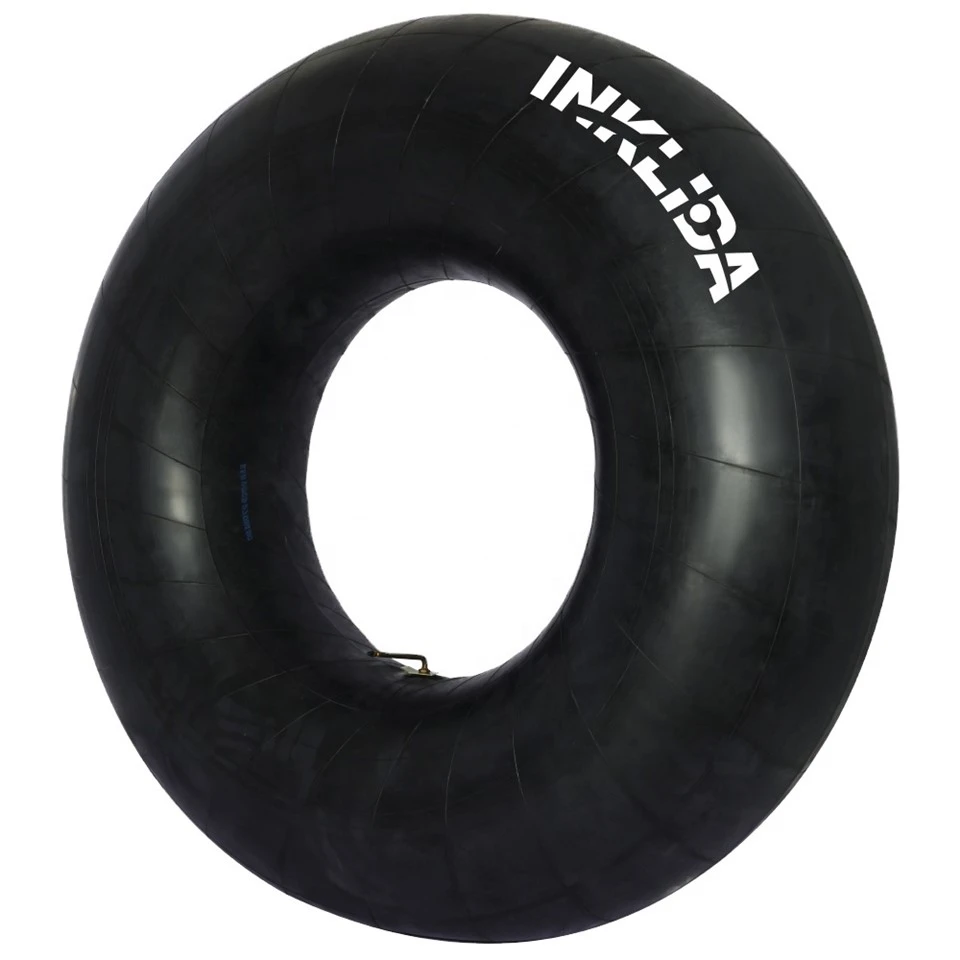
Visual inspection is the first and most basic step in testing the integrity of OTR inner tubes. Begin by thoroughly cleaning the inner tube to remove any dirt, debris, or lubricants that may be hiding defects. Check the entire surface of the inner tube for signs of cuts, abrasions, punctures, or blisters.
Cuts are obvious signs of damage and can significantly compromise the inner tube's integrity. Even small cuts can grow over time, especially under the high - pressure conditions within a tire. Abrasions may not seem as severe at first, but they can wear down the rubber material, making the inner tube more susceptible to further damage.
Punctures are another common issue. Look for small holes or foreign objects that may have penetrated the inner tube. These can be caused by sharp rocks, metal debris, or other sharp objects on the ground. Blisters on the surface of the inner tube indicate a separation between the layers of rubber, which can be a result of over - inflation, under - inflation, or poor manufacturing processes.
While inspecting, pay special attention to areas near the valve stem. This area is often under stress, and any damage here can lead to air leakage. Make sure the valve stem is firmly attached to the inner tube and there are no signs of cracks or damage around it.
Pressure Testing
Pressure testing is a crucial method to determine the integrity of OTR inner tubes. This test can accurately detect any air leaks that may not be visible during a visual inspection.
First, mount the inner tube on a suitable tire rim. It is essential to use the correct size and type of rim for the inner tube to ensure accurate testing results. Then, slowly inflate the inner tube to the recommended operating pressure. This pressure can usually be found on the sidewall of the tire or in the manufacturer's specifications.
Once the inner tube is inflated to the correct pressure, submerge it in a tank of water. Observe the surface of the inner tube carefully for any bubbles. Bubbles indicate air leakage, and the location of the bubbles can help identify the source of the leak. For larger inner tubes that cannot be submerged entirely, you can use a soapy water solution. Apply the solution generously to the surface of the inner tube using a brush or sprayer. If there is a leak, the soap will create bubbles at the site of the leakage.
It is important to maintain the pressure during the testing process. If the pressure drops significantly over a short period, it indicates a major leak. However, a very slow pressure drop may be normal due to the permeability of the rubber material, which allows a small amount of air to escape over time.
Elongation and Tensile Testing
Elongation and tensile testing can provide valuable insights into the mechanical properties of OTR inner tubes and help detect any weak spots.
To perform an elongation test, cut a specimen from the inner tube according to the relevant industry standards. Then, use a tensile testing machine to gradually apply a pulling force to the specimen until it breaks. Measure the change in length of the specimen during the test. A healthy inner tube should have a certain level of elongation before failure. If the specimen elongates less than expected or breaks too easily, it may indicate that the inner tube has been damaged or has poor manufacturing quality.
Tensile testing also measures the maximum force that the specimen can withstand before breaking. This can help evaluate the strength of the inner tube material. Industry standards specify the minimum tensile strength requirements for OTR inner tubes. If the tested specimen does not meet these standards, the inner tube may not be suitable for use in high - stress applications.
Chemical Analysis
Chemical analysis can be used to determine the quality of the rubber material used in OTR inner tubes and to detect any signs of degradation.
One common method is to use Fourier - transform infrared spectroscopy (FTIR). This technique can identify the chemical functional groups present in the rubber material. Over time, the rubber in inner tubes can degrade due to exposure to heat, oxygen, ozone, and other environmental factors. FTIR can detect changes in the chemical structure of the rubber, such as the formation of oxidation products or the breakdown of cross - links in the polymer network.
Another aspect of chemical analysis is to test for the presence of additives and fillers in the rubber. These additives are added to improve the performance and durability of the inner tube. However, improper use or degradation of these additives can also affect the quality of the inner tube. By analyzing the composition of the rubber, we can ensure that the inner tube meets the required quality standards.
Testing Our OTR Inner Tubes
At our company, we take the integrity of our OTR inner tubes very seriously. We perform all of the above - mentioned tests on every batch of inner tubes we produce. Before they are released to the market, our inner tubes go through strict visual inspections, pressure testing, elongation and tensile testing, and chemical analysis.
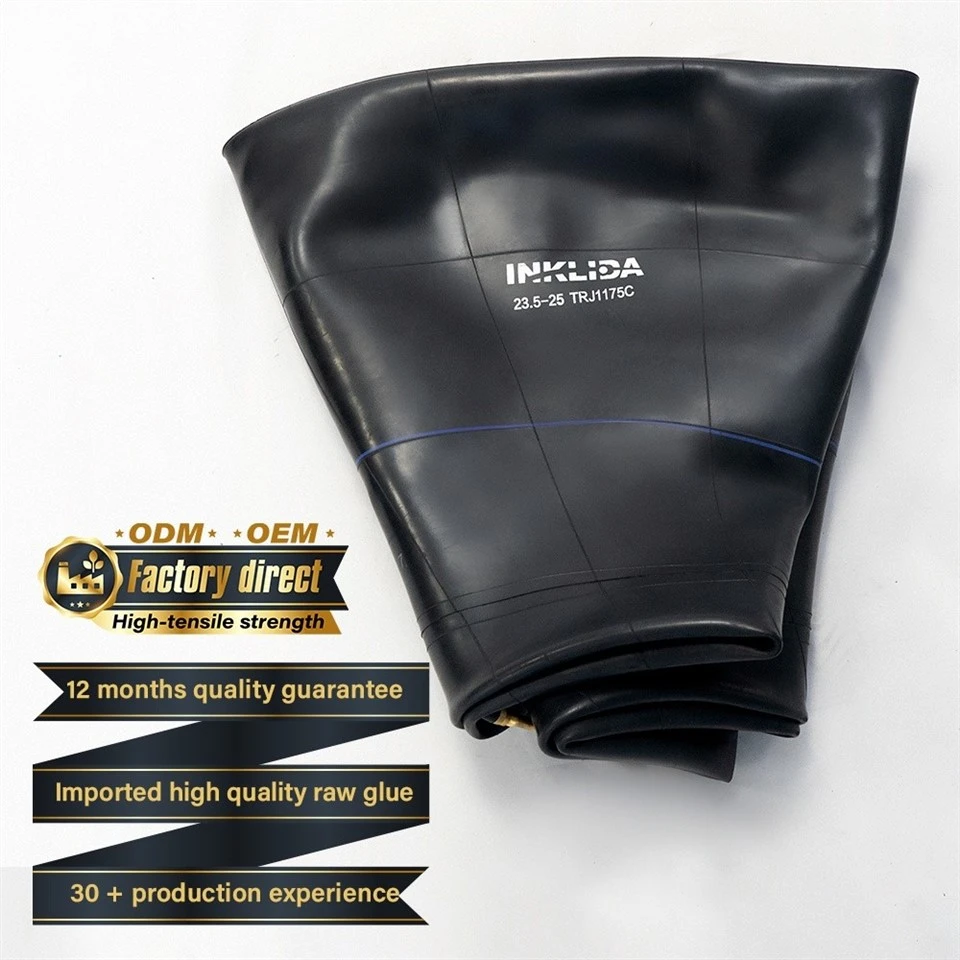
We offer a wide range of OTR inner tubes, including Backhoe Tire Inner Tube, 20.5 - 25 OTR Inner Tube, and 23.5 - 25 Excavator Butyl Rubber Inner Tube. Each of these products is designed to meet the high - performance requirements of different heavy - duty vehicles.
If you are in the market for high - quality OTR inner tubes, we invite you to contact us for more information and to discuss your specific needs. We are committed to providing our customers with the best products and services. Our team of experts can help you select the right inner tubes for your vehicles and ensure a smooth and efficient purchasing process.
Conclusion
Testing the integrity of OTR inner tubes is a comprehensive process that involves multiple methods. Visual inspection, pressure testing, elongation and tensile testing, and chemical analysis all play important roles in ensuring the quality and reliability of these products. As a supplier, we are constantly striving to improve our testing procedures to provide the best OTR inner tubes to our customers. If you have any questions or would like to start a procurement discussion, please do not hesitate to reach out to us.
References
- ISO 4072:2016, Rubber and plastics hoses — Specification for inner tubes
- ASTM D412 - 16a, Standard Test Methods for Vulcanized Rubber and Thermoplastic Elastomers—Tension