

When it comes to vintage cars, every detail matters, from the classic paint job to the polished chrome accents. One often overlooked yet crucial component is the tire flap. As a tire flap supplier, I've had the privilege of working with vintage car enthusiasts and professionals to understand the unique considerations when using tire flaps on these timeless vehicles.
Compatibility with Vintage Tire Sizes
Vintage cars typically come with specific tire sizes that were standard during their production era. It's essential to ensure that the tire flaps you choose are compatible with these sizes. For example, some vintage trucks may require 1200 - 20 Tire Flap, which are designed to fit the larger diameter and width of these tires. Using the wrong size tire flap can lead to improper fitment, which may cause the flap to come loose or not provide adequate protection.
The size of the tire flap is not just about the outer dimensions. It also involves the thickness and flexibility. Vintage tires may have different sidewall profiles and inflation pressures compared to modern ones. A tire flap that is too thick or rigid may not conform well to the vintage tire's shape, leading to uneven pressure distribution and potential damage to the tire or the flap itself. On the other hand, a flap that is too thin may not offer sufficient protection against debris and heat.
Material Selection for Authenticity and Performance
Authenticity is a key factor for many vintage car owners. They want to maintain the original look and feel of their vehicles. In terms of tire flaps, this means considering the materials that were commonly used during the car's production period. Natural rubber was a popular choice in the past, and Natural Rubber Tire Flap can provide that authentic touch.
Natural rubber has several advantages. It is highly flexible, which allows it to conform well to the shape of the tire. It also has good heat resistance, which is important as tires generate heat during operation. However, natural rubber may be more prone to aging and degradation over time compared to some modern synthetic materials.
Synthetic materials, such as neoprene or butyl rubber, offer enhanced durability and resistance to environmental factors. They are less likely to crack or harden in extreme temperatures, making them a practical choice for vintage cars that are driven regularly. When selecting the material for tire flaps, it's important to balance authenticity with performance requirements.
Protection Against Debris and Damage
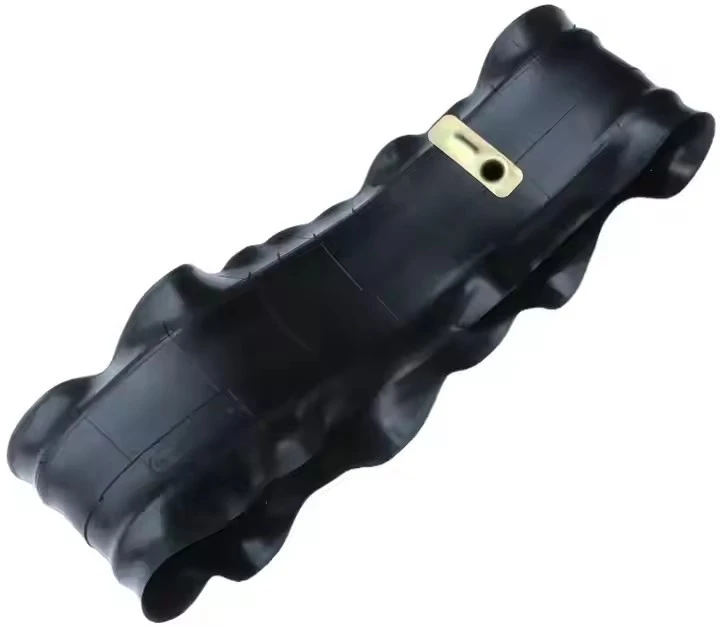
One of the primary functions of a tire flap is to protect the inner tube of the tire from debris. Vintage cars often have inner tubes, which are more vulnerable to punctures and damage compared to modern tubeless tires. A well - fitting tire flap acts as a barrier between the inner tube and any sharp objects that may penetrate the outer tire.
In addition to debris protection, tire flaps also help to reduce the risk of damage from heat and friction. As the tire rotates, it generates heat, and the friction between the inner tube and the tire can cause wear and tear. A tire flap helps to dissipate heat and reduce friction, extending the lifespan of the inner tube.
For larger vintage vehicles, such as buses or heavy - duty trucks, Tire Flap 1300 1400 - 25 are designed to provide extra protection due to the increased load and stress on the tires. These flaps are typically thicker and more robust to withstand the rigors of heavy - duty use.
Aesthetic Considerations
The appearance of the tire flap can also enhance the overall look of a vintage car. Some vintage car owners prefer tire flaps with a classic design, such as those with a smooth finish or a simple logo. Others may opt for more decorative flaps to add a unique touch to their vehicles.
When choosing a tire flap for aesthetic reasons, it's important to ensure that it still meets the functional requirements. A flap that looks great but doesn't fit properly or provide adequate protection is not a good choice. It's possible to find tire flaps that combine both style and functionality, allowing vintage car owners to showcase their vehicles with pride.
Installation and Maintenance
Proper installation of tire flaps is crucial for their effectiveness. The flap should be placed correctly between the inner tube and the tire, ensuring that it is centered and free of wrinkles or folds. Incorrect installation can lead to uneven pressure distribution, which may cause the flap to shift or come loose during operation.
Maintenance of tire flaps is also important. Regular inspection for signs of wear, such as cracks or tears, is recommended. If a tire flap shows significant damage, it should be replaced promptly to avoid potential problems with the tire and inner tube. Cleaning the tire flaps periodically can also help to maintain their appearance and performance.
Cost - Benefit Analysis
When considering tire flaps for vintage cars, cost is always a factor. Authentic or high - performance tire flaps may come with a higher price tag. However, it's important to consider the long - term benefits. A quality tire flap can extend the lifespan of the inner tube, reduce the risk of flat tires, and enhance the overall safety and performance of the vehicle.
In some cases, the cost of a tire flap may be a small investment compared to the potential cost of replacing an inner tube or dealing with a flat tire on the road. Vintage car owners should weigh the cost of the tire flap against the benefits it provides and make an informed decision based on their budget and usage requirements.
Environmental Considerations
In today's world, environmental concerns are also important. Some tire flap materials are more environmentally friendly than others. For example, natural rubber is a renewable resource, and using natural rubber tire flaps can be a more sustainable choice.
On the other hand, some synthetic materials may have a longer lifespan, which means fewer replacements and less waste over time. When selecting tire flaps, vintage car owners should consider the environmental impact of their choices and look for options that balance performance, authenticity, and sustainability.
Conclusion
Using tire flaps on vintage cars involves a careful consideration of various factors, including compatibility, material selection, protection, aesthetics, installation, maintenance, cost - benefit, and environmental impact. As a tire flap supplier, I understand the unique needs of vintage car owners and am committed to providing high - quality products that meet these requirements.
If you are a vintage car owner or enthusiast looking for the perfect tire flaps for your vehicle, I invite you to contact me for more information. We can discuss your specific needs and help you find the right tire flaps that will enhance the performance, safety, and appearance of your vintage car. Whether you need 1200 - 20 Tire Flap, Natural Rubber Tire Flap, or Tire Flap 1300 1400 - 25, we have a wide range of options to choose from.
References
- "The Complete Guide to Vintage Car Restoration"
- "Tire Technology Handbook"
- Industry research reports on tire flap materials and performance