

As a motorcycle inner tube supplier, I've witnessed firsthand the lifecycle of these essential components. From the moment they're manufactured to the time they're eventually discarded, motorcycle inner tubes have a significant impact on the environment. In this blog post, I'll explore the environmental implications of disposing of a motorcycle inner tube and discuss some potential solutions to mitigate these effects.
The Composition of Motorcycle Inner Tubes
Motorcycle inner tubes are typically made from rubber, a material derived from natural or synthetic sources. Natural rubber is harvested from rubber trees, while synthetic rubber is produced through chemical processes using petroleum-based products. Both types of rubber have their own environmental impacts.
The production of natural rubber requires large areas of land for rubber tree plantations. These plantations often lead to deforestation, which can have a profound impact on biodiversity and ecosystem services. Deforestation disrupts habitats for countless plant and animal species, contributes to soil erosion, and reduces the capacity of forests to absorb carbon dioxide, a major greenhouse gas.
On the other hand, synthetic rubber production relies on fossil fuels, which are non-renewable resources. The extraction, refining, and processing of petroleum release large amounts of greenhouse gases into the atmosphere, contributing to climate change. Additionally, the chemical processes involved in synthetic rubber production can generate hazardous waste and pollutants, which can contaminate soil, water, and air.
Environmental Impacts of Disposal
When a motorcycle inner tube reaches the end of its useful life, it is typically discarded. The most common disposal methods include landfilling, incineration, and recycling. Each of these methods has its own environmental implications.
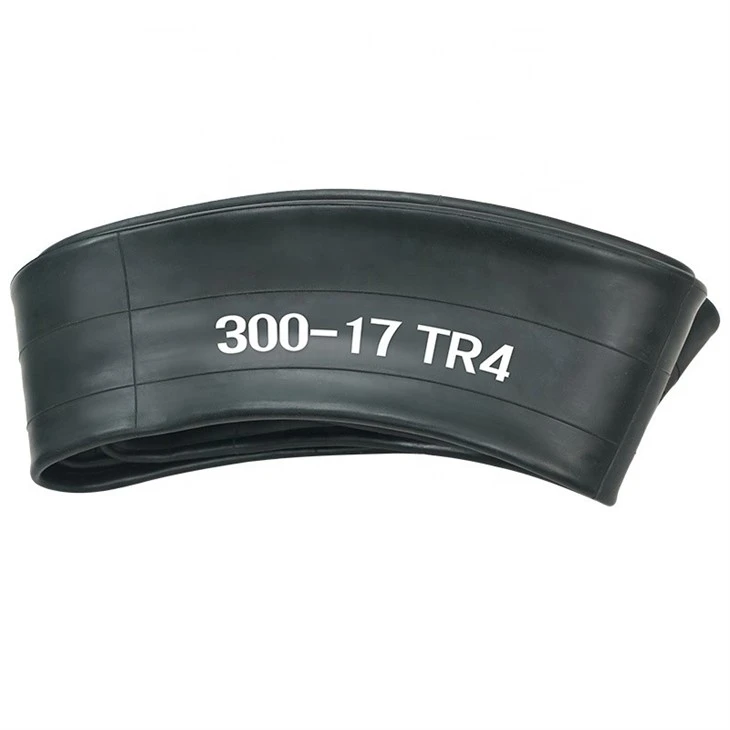
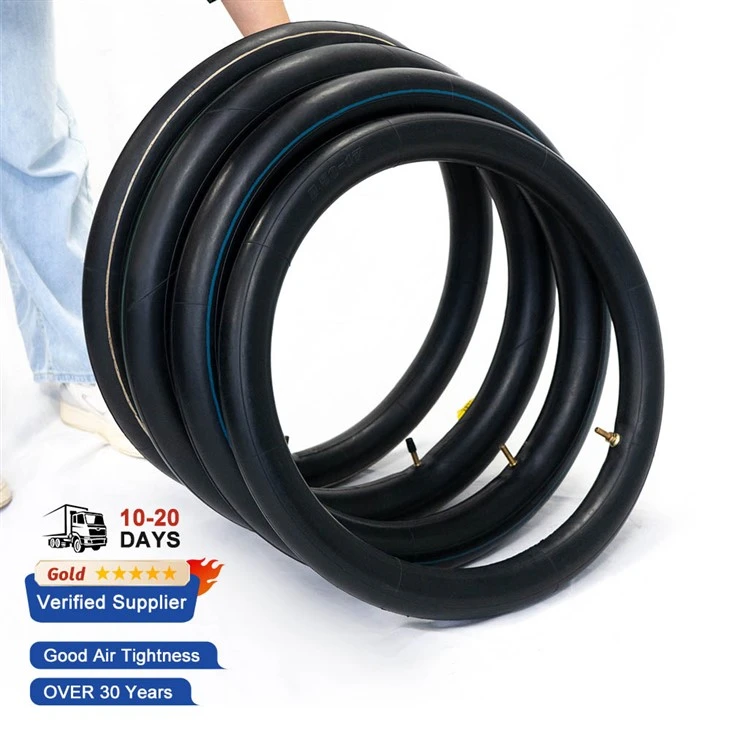
Landfilling
Landfilling is the most common method of waste disposal worldwide. When a motorcycle inner tube is sent to a landfill, it takes up valuable space and can take hundreds of years to decompose. Rubber is a durable material that is resistant to natural degradation processes, so it can remain in landfills for a long time.
In addition to taking up space, landfilled rubber can also pose environmental risks. As rubber decomposes, it can release harmful chemicals and pollutants into the soil and groundwater. These chemicals can contaminate drinking water sources and harm aquatic ecosystems.
Incineration
Incineration is another method of waste disposal that involves burning the waste at high temperatures. When a motorcycle inner tube is incinerated, it releases energy that can be used to generate electricity or heat. However, incineration also produces air pollutants, including particulate matter, nitrogen oxides, sulfur dioxide, and dioxins.
Particulate matter can cause respiratory problems, especially for people with pre-existing conditions such as asthma and chronic obstructive pulmonary disease (COPD). Nitrogen oxides and sulfur dioxide contribute to the formation of acid rain, which can damage forests, lakes, and buildings. Dioxins are highly toxic chemicals that can cause cancer, reproductive problems, and immune system disorders.
Recycling
Recycling is the process of converting waste materials into new products. Recycling motorcycle inner tubes can help reduce the demand for virgin rubber and conserve natural resources. It can also reduce the amount of waste sent to landfills and incinerators, thereby minimizing the environmental impacts of disposal.
However, recycling rubber is not without its challenges. Rubber is a complex material that is difficult to break down and process. The recycling process often requires specialized equipment and techniques, which can be expensive and energy-intensive. Additionally, the quality of recycled rubber may be lower than that of virgin rubber, which can limit its applications.
Potential Solutions
As a motorcycle inner tube supplier, I'm committed to minimizing the environmental impacts of our products. Here are some potential solutions that we can implement to reduce the environmental footprint of motorcycle inner tube disposal:
Design for Sustainability
One of the most effective ways to reduce the environmental impacts of motorcycle inner tubes is to design them for sustainability. This can involve using more environmentally friendly materials, such as natural rubber from sustainable plantations or recycled rubber. It can also involve designing inner tubes that are more durable and long-lasting, reducing the frequency of replacement.
Promote Recycling
We can also promote recycling by educating our customers about the importance of recycling motorcycle inner tubes and providing them with information on how to recycle them. We can also work with recycling facilities to develop more efficient and cost-effective recycling processes for rubber.
Encourage Reuse
Another way to reduce the environmental impacts of motorcycle inner tubes is to encourage reuse. This can involve selling refurbished or remanufactured inner tubes, or providing customers with repair kits so they can fix their own inner tubes instead of replacing them.
Support Research and Development
Finally, we can support research and development efforts to find new and innovative ways to reduce the environmental impacts of motorcycle inner tubes. This can involve investing in research on new materials, recycling technologies, and sustainable manufacturing processes.
Conclusion
Disposing of a motorcycle inner tube has significant environmental impacts, from the production of the rubber to the final disposal of the tube. However, by implementing sustainable design practices, promoting recycling and reuse, and supporting research and development, we can minimize these impacts and create a more sustainable future for the motorcycle industry.
If you're interested in learning more about our motorcycle inner tubes or discussing potential partnerships, please feel free to [initiate a conversation]. We're always looking for ways to work with our customers to reduce the environmental footprint of our products and contribute to a more sustainable future.
References
- EPA. (2023). Waste Reduction and Recycling. Retrieved from [EPA Website]
- Rubber Manufacturers Association. (2023). Rubber Recycling. Retrieved from [RMA Website]
- World Wildlife Fund. (2023). Deforestation and Forest Degradation. Retrieved from [WWF Website]