

As a supplier of classic motorcycle tires, I've witnessed firsthand the intricate dance of factors that determine the price of these specialized products. Classic motorcycles, with their unique charm and historical significance, demand tires that not only match their aesthetic but also meet the highest standards of performance and safety. In this blog, I'll delve into the key elements that influence the price of classic motorcycle tires, offering insights for both enthusiasts and potential buyers.
1. Manufacturing Costs
The production of classic motorcycle tires involves a series of complex processes, each contributing to the overall cost. High - quality raw materials are the foundation of a good tire. Natural rubber, for example, is a crucial component. It offers excellent grip, durability, and flexibility. However, the price of natural rubber can fluctuate significantly due to factors such as weather conditions affecting rubber plantations, global supply and demand, and geopolitical issues. Synthetic rubbers, which are often used in combination with natural rubber to enhance specific properties, also add to the cost. These synthetic materials are engineered to provide better resistance to heat, abrasion, and chemicals.
In addition to rubber, other materials like steel belts, fabric cords (such as nylon or polyester), and various chemical additives are used. Steel belts, for instance, are essential for maintaining the tire's shape and providing stability at high speeds. The quality and quantity of these materials can vary, and higher - quality materials generally lead to higher - priced tires.
The manufacturing process itself is also a major cost factor. Classic motorcycle tires often require specialized molds and equipment. These molds are designed to replicate the unique tread patterns and sidewall designs of vintage tires. Producing these molds is expensive, and the cost is spread across the production volume. Moreover, the manufacturing process needs to adhere to strict quality control standards. This involves multiple inspections at different stages of production, from the mixing of raw materials to the final curing and finishing of the tire. All these quality control measures add to the overall production cost.
2. Brand Reputation
Brand reputation plays a significant role in the pricing of classic motorcycle tires. Well - established brands with a long history of producing high - quality tires can command a premium price. These brands have invested heavily in research and development, ensuring that their tires offer the best performance, safety, and durability. They also have a reputation for excellent customer service and after - sales support.
For example, a brand that has been associated with classic motorcycles for decades has built a loyal customer base. Enthusiasts trust these brands because they know that the tires are designed and tested to meet the specific requirements of classic motorcycles. The brand's name becomes a symbol of quality and reliability, and customers are often willing to pay more for the peace of mind that comes with buying a well - known brand.
On the other hand, lesser - known brands may offer tires at a lower price. While these tires may be of acceptable quality, they lack the brand recognition and the associated trust. Some buyers may be hesitant to purchase from these brands, fearing that they may not get the same level of performance or durability as they would from a more established brand.
3. Tread Design and Performance
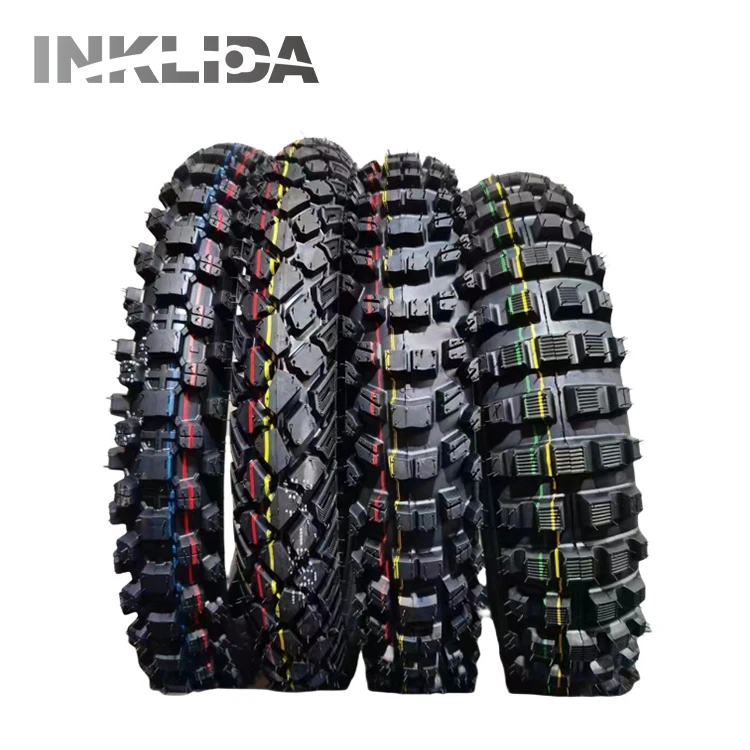
The tread design of a classic motorcycle tire is not only about aesthetics but also about performance. Different tread patterns are designed for specific riding conditions. For example, a tire with a more aggressive tread pattern is suitable for off - road riding. The Off Road Motorcycle Tyre is designed to provide excellent traction on uneven and loose surfaces such as dirt, gravel, and mud. These tires often require more advanced manufacturing techniques and specialized rubber compounds to ensure optimal performance in off - road conditions. As a result, they tend to be more expensive than tires with a simple tread pattern for normal road use.
For road - going classic motorcycles, tires with a tread pattern that offers a good balance between grip, handling, and wear resistance are preferred. Tires with a symmetric tread pattern are commonly used for straight - line stability, while asymmetric or directional tread patterns can enhance cornering performance. Developing these advanced tread designs requires extensive research and testing. Engineers use computer - aided design (CAD) and simulation tools to optimize the tread pattern for different riding scenarios. The cost of this research and development is reflected in the price of the tire.
4. Size and Compatibility
The size of the classic motorcycle tire is another important factor influencing its price. Tires come in a wide range of sizes to fit different models of classic motorcycles. Some sizes are more common and are produced in larger quantities, which can lead to economies of scale and lower prices. However, if a tire is a rare or non - standard size, it can be more expensive.
Manufacturing tires in small quantities for rare sizes is more costly because the production process is less efficient. The cost of setting up the manufacturing equipment for a small - batch production run is relatively high, and this cost is passed on to the consumer. Additionally, finding the right tire for an older or less - common classic motorcycle model can be a challenge. Tires that are specifically designed to be compatible with these unique models may require special engineering and testing, further increasing the price.
5. Market Demand and Supply
The basic economic principle of supply and demand also has a significant impact on the price of classic motorcycle tires. If the demand for classic motorcycle tires is high and the supply is limited, the price will tend to rise. This can happen when there is a growing interest in classic motorcycles, either due to a revival of vintage motorcycle culture or an increase in the number of classic motorcycle restorations.

On the other hand, if the supply of classic motorcycle tires exceeds the demand, prices may drop. This can occur when new manufacturers enter the market, increasing the overall production volume. However, the classic motorcycle tire market is relatively niche compared to the general motorcycle tire market. As a result, even small changes in demand or supply can have a relatively large impact on prices.
6. Regulatory and Certification Costs
Classic motorcycle tires need to meet various regulatory and certification requirements. These requirements ensure that the tires are safe for use on public roads. Different countries and regions may have their own set of regulations regarding tire performance, such as tread depth, traction, and rolling resistance.
To meet these regulations, tire manufacturers need to conduct extensive testing. This includes laboratory tests and on - road tests to verify that the tires meet the specified standards. The cost of these tests, as well as the fees associated with obtaining the necessary certifications, is included in the price of the tire. Additionally, manufacturers need to keep up with any changes in the regulations, which may require further investment in research and development to modify the tire design or manufacturing process.
Conclusion
In conclusion, the price of classic motorcycle tires is influenced by a multitude of factors, including manufacturing costs, brand reputation, tread design and performance, size and compatibility, market demand and supply, and regulatory and certification costs. As a supplier of Classic Motorcycle Tire, I understand the importance of offering high - quality tires at a reasonable price. We strive to balance these various factors to provide our customers with the best value for their money.
If you're in the market for classic motorcycle tires, I encourage you to consider these factors when making your purchasing decision. Whether you're a classic motorcycle enthusiast looking to restore your vintage bike or a rider who appreciates the unique style and performance of classic motorcycles, we're here to help. If you have any questions or are interested in purchasing our classic motorcycle tires, feel free to reach out. We're ready to engage in a productive discussion about your needs and how we can meet them.
References
- Tire Industry Association. "Tire Manufacturing Processes."
- International Organization for Standardization. "Standards for Motorcycle Tires."
- Motorcycle Consumer News. "Guide to Classic Motorcycle Tires."