

Hey there! As a tire supplier, I've seen and dealt with all kinds of tires. Today, I'm gonna dive into the features of performance tires. These tires are a big deal in the automotive world, and they've got some unique characteristics that set them apart from regular tires.
Tread Design
One of the most noticeable features of performance tires is their tread design. Unlike regular tires, which are designed for a balance of all - around performance, performance tires have a tread pattern that's optimized for specific driving conditions.
For high - speed driving, performance tires often have a more continuous tread pattern. This helps to reduce the amount of tread squirm, which is the movement of the tread blocks when the tire is under load. Less tread squirm means better handling at high speeds, as the tire can maintain a more consistent contact patch with the road.
In wet conditions, the tread pattern of performance tires is engineered to evacuate water quickly. They usually have wide circumferential grooves and lateral channels that channel water away from the tire's contact area. This reduces the risk of hydroplaning, where the tire loses contact with the road surface due to a layer of water. For example, some performance tires have a V - shaped tread pattern that is very effective at pushing water outwards, allowing the tire to grip the wet road better.
Rubber Compound
The rubber compound used in performance tires is another key feature. Performance tires typically use a softer rubber compound compared to regular tires. The softer rubber provides better grip because it can conform to the irregularities of the road surface more easily.
When you're cornering at high speeds or accelerating hard, the soft rubber compound allows the tire to generate more friction with the road. This results in improved traction, which is crucial for performance driving. However, the softer rubber also has its drawbacks. It wears out faster than the harder rubber used in regular tires. So, if you're using performance tires, you might need to replace them more frequently.
Sidewall Construction
The sidewall of a tire plays an important role in its performance. Performance tires often have a stiffer sidewall construction. A stiffer sidewall helps to maintain the shape of the tire during cornering. When you take a sharp turn, the forces acting on the tire can cause it to deform. A stiffer sidewall resists this deformation, allowing the tire to maintain a more stable contact patch with the road.
This means that you get better steering response and handling. You can feel more in control of your vehicle when you're driving at high speeds or making aggressive maneuvers. On the other hand, a stiffer sidewall can also make the ride a bit harsher. Since it doesn't absorb shocks as well as a softer sidewall, you might feel more of the bumps and vibrations on the road.
Load Capacity and Speed Rating
Performance tires usually come with a high load capacity and speed rating. The load capacity indicates the maximum weight that the tire can support safely. Performance vehicles often have a higher weight due to their powerful engines and additional features. So, they need tires that can handle the extra load.
The speed rating is just as important. It tells you the maximum speed at which the tire can operate safely. Performance tires typically have a high speed rating, such as V (up to 149 mph), W (up to 168 mph), or Y (up to 186 mph). This is because these tires are designed for high - performance driving, where you might be reaching high speeds on the highway or at the racetrack.
Noise Level
Noise level is something that not everyone considers when it comes to performance tires, but it's still an important factor. Performance tires tend to be noisier than regular tires. The reason for this is the tread pattern and the rubber compound. The more aggressive tread pattern that provides better grip also generates more noise as the tire rolls on the road.
The softer rubber compound can also contribute to the noise. However, tire manufacturers are constantly working on reducing the noise level of performance tires. Some modern performance tires use noise - reducing technologies, such as special tread patterns and sound - absorbing materials, to make the ride quieter.
Temperature Resistance
Performance driving generates a lot of heat in the tires. That's why performance tires are designed to have good temperature resistance. The rubber compound used in these tires can withstand high temperatures without losing its grip or integrity.
When you're driving at high speeds or doing a lot of hard braking and accelerating, the friction between the tire and the road generates heat. If the tire can't handle the heat, it can start to wear out quickly or even fail. Performance tires are built to handle these extreme conditions, ensuring that you have a safe and reliable driving experience.
Application in Different Vehicles
Performance tires are not just for sports cars. They can be used in a variety of vehicles, including sedans, SUVs, and even some trucks. For example, if you have a high - performance sedan, performance tires can enhance its handling and acceleration. You'll notice a significant improvement in the way your car responds when you're driving on winding roads or overtaking other vehicles.
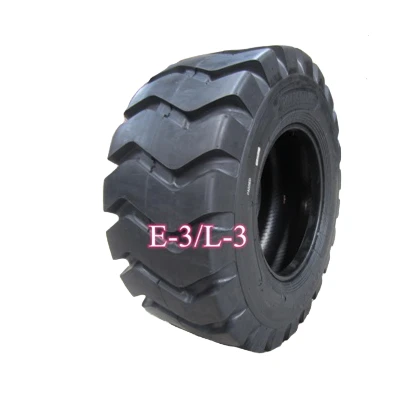
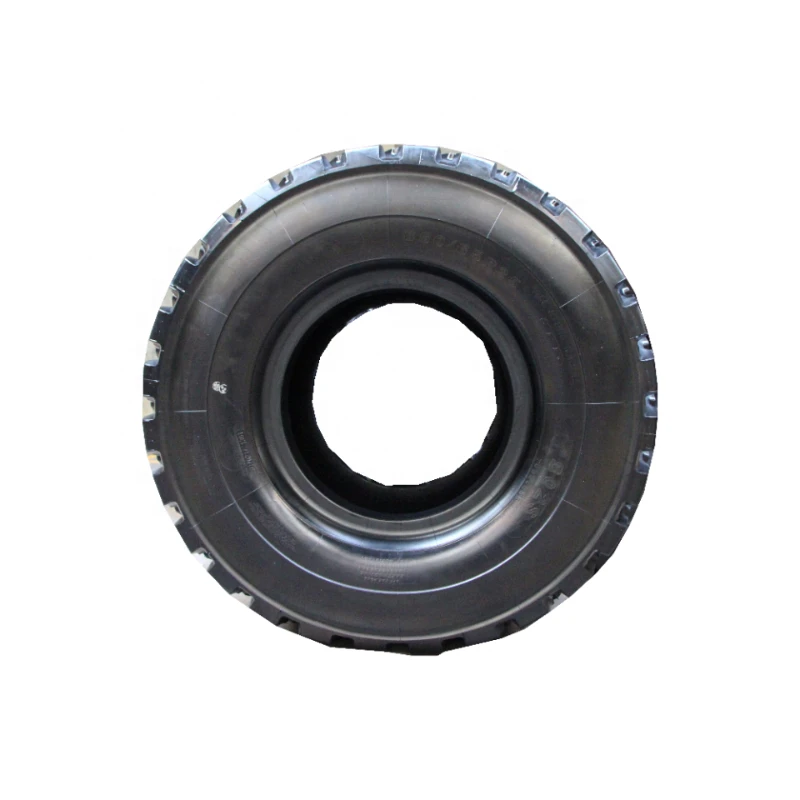
SUVs and trucks can also benefit from performance tires. They can improve the handling and stability of these larger vehicles, especially when they're carrying heavy loads. And if you're into off - roading with your SUV or truck, there are performance tires designed for that too. For instance, the Earth Mover Tire E3 is a great option for heavy - duty off - road applications. It's built to handle the tough conditions of construction sites and mining areas.
Conclusion
In conclusion, performance tires have a lot of unique features that make them ideal for high - performance driving. From their specialized tread design and soft rubber compound to their high load capacity and speed rating, these tires are engineered to deliver superior performance.
If you're looking to upgrade your vehicle's tires and want to experience better handling, traction, and overall performance, performance tires are the way to go. As a tire supplier, I've got a wide range of performance tires to suit different vehicles and driving needs. Whether you're a casual driver looking for a bit more excitement on the road or a professional racer, I can help you find the perfect tires for your vehicle.
If you're interested in purchasing performance tires or have any questions about them, don't hesitate to reach out. I'm here to assist you with all your tire needs. Let's have a chat and see how we can enhance your driving experience with the right set of performance tires.
References
- Tire industry reports on performance tire technology
- Manufacturer specifications for various performance tires