

When it comes to the smooth and safe operation of trailers, every component plays a crucial role, and trailer tire flaps are no exception. As a leading tire flap supplier, I've witnessed firsthand the importance of proper installation to ensure these flaps perform their intended functions effectively. In this blog post, I'll delve into the installation requirements for trailer tire flaps, providing you with the knowledge you need to make the right choices for your trailers.
Understanding the Purpose of Trailer Tire Flaps
Before we dive into the installation requirements, it's essential to understand why trailer tire flaps are necessary. Tire flaps serve multiple purposes, including protecting the trailer, other vehicles on the road, and pedestrians from debris, mud, water, and stones kicked up by the tires. They also help reduce aerodynamic drag, which can improve fuel efficiency and reduce wear and tear on the trailer.
Selecting the Right Tire Flaps
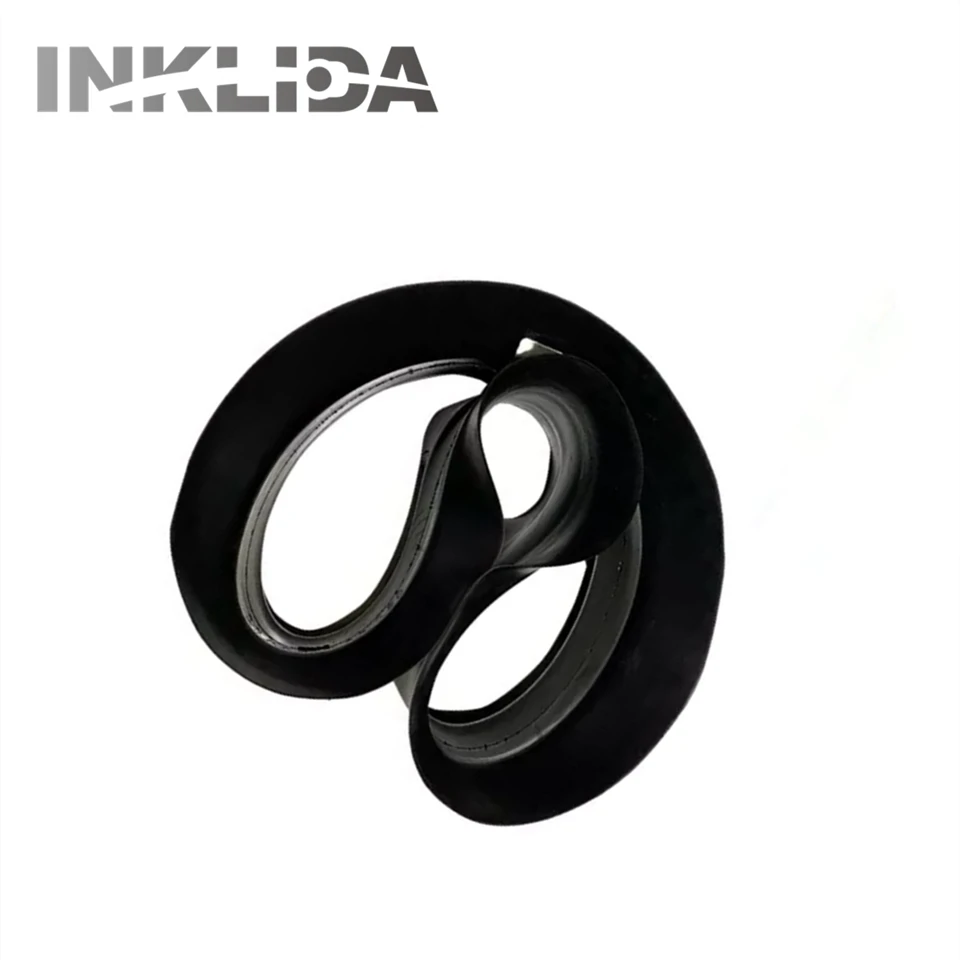
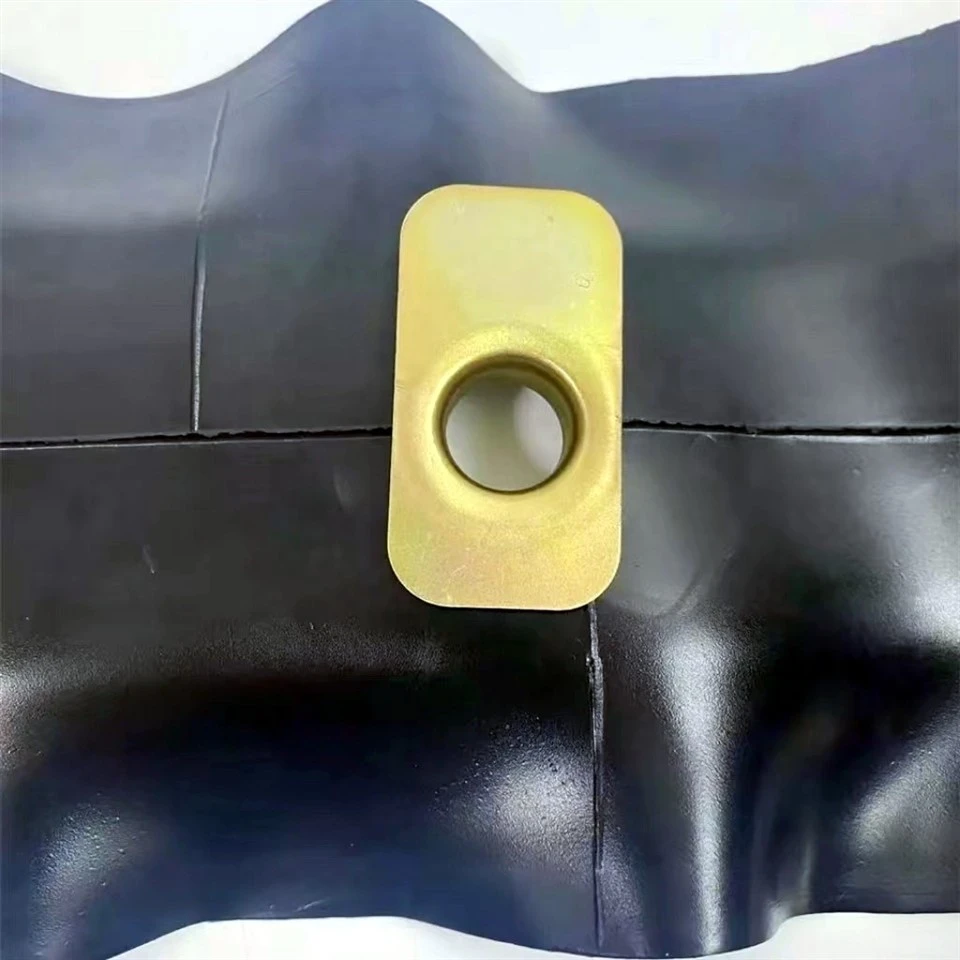
The first step in the installation process is selecting the right tire flaps for your trailer. There are various types of tire flaps available on the market, each designed to meet different needs and specifications. As a tire flap supplier, we offer a wide range of options, including the Tire Flap 1300 1400-25, Natural Rubber Tire Flap, and 1200-20 Tire Flap.
When choosing tire flaps, consider the following factors:
- Size and Compatibility: Ensure that the tire flaps are the right size for your trailer's tires and wheel wells. Using the wrong size can lead to improper installation and reduced effectiveness.
- Material: Tire flaps are typically made from rubber, plastic, or a combination of both. Rubber flaps are more durable and flexible, while plastic flaps are lighter and more resistant to chemicals.
- Design: Some tire flaps feature a straight design, while others have a curved or angled shape. The design you choose will depend on your trailer's specific requirements and the level of protection you need.
Installation Requirements
Once you've selected the right tire flaps, it's time to install them. Proper installation is crucial to ensure that the tire flaps function correctly and provide the necessary protection. Here are the installation requirements you need to follow:
Tools and Materials
Before you begin the installation process, gather the following tools and materials:
- Tire Flaps: Make sure you have the correct size and type of tire flaps for your trailer.
- Mounting Hardware: This may include bolts, nuts, washers, and brackets. Check the manufacturer's instructions for the specific hardware requirements.
- Drill: You may need a drill to create holes for the mounting hardware.
- Measuring Tape: Use a measuring tape to ensure accurate placement of the tire flaps.
- Wrench or Socket Set: You'll need a wrench or socket set to tighten the mounting hardware.
Preparation
Before installing the tire flaps, clean the wheel wells and the area where the flaps will be mounted. Remove any dirt, debris, or rust to ensure a secure and proper fit. You may also want to apply a rust inhibitor to prevent corrosion.
Placement
Proper placement of the tire flaps is essential to ensure maximum protection. Follow these guidelines:
- Height: The bottom edge of the tire flaps should be approximately 6 to 8 inches above the ground. This will allow the flaps to deflect debris and water without dragging on the road.
- Width: The tire flaps should extend at least 2 inches beyond the outer edge of the tires. This will provide adequate coverage and prevent debris from flying out from the sides of the tires.
- Alignment: Make sure the tire flaps are aligned evenly with the tires and the wheel wells. Use a measuring tape to ensure accurate placement.
Mounting
Once you've determined the correct placement, it's time to mount the tire flaps. Follow these steps:
- Mark the Mounting Holes: Use a marker or a drill bit to mark the locations for the mounting holes on the wheel wells.
- Drill the Holes: If necessary, use a drill to create holes for the mounting hardware. Make sure the holes are the correct size and depth.
- Attach the Mounting Brackets: Place the mounting brackets over the holes and secure them using the bolts, nuts, and washers. Tighten the hardware firmly, but be careful not to overtighten.
- Install the Tire Flaps: Attach the tire flaps to the mounting brackets using the provided hardware. Make sure the flaps are securely fastened and that there is no play or movement.
Testing
After installing the tire flaps, it's important to test them to ensure they are functioning correctly. Take your trailer for a short test drive and pay attention to any unusual noises or vibrations. Check the tire flaps periodically to make sure they are still securely mounted and that there are no signs of damage or wear.
Maintenance and Inspection
Proper maintenance and inspection are essential to ensure the longevity and effectiveness of your tire flaps. Here are some tips to keep in mind:
- Regular Cleaning: Clean the tire flaps regularly to remove dirt, debris, and road grime. This will help prevent corrosion and damage to the flaps.
- Inspection: Inspect the tire flaps periodically for signs of wear, damage, or loose hardware. Replace any damaged or worn flaps immediately to ensure continued protection.
- Tightening: Check the mounting hardware periodically to make sure it is still tight. Over time, the hardware may loosen due to vibrations and normal wear and tear.
Conclusion
Installing trailer tire flaps is a relatively simple process, but it's important to follow the installation requirements carefully to ensure proper function and maximum protection. As a tire flap supplier, we are committed to providing high-quality products and excellent customer service. If you have any questions or need assistance with selecting or installing tire flaps, please don't hesitate to contact us. We'll be happy to help you find the right solution for your trailer.
References
- Manufacturer's instructions for tire flap installation
- Industry standards and regulations for trailer tire flaps