

Hey there! As a tire inner tube supplier, I've seen my fair share of burst inner tubes over the years. It's a common headache for drivers and vehicle owners, and it can really put a damper on your day. So, I thought I'd take the time to break down what causes a tire inner tube to burst and share some tips on how to prevent it.
Over - Inflation
One of the most common reasons for a tire inner tube to burst is over - inflation. When you pump too much air into the inner tube, the pressure inside becomes too high. The inner tube is designed to handle a certain amount of pressure, and when that limit is exceeded, it can't contain the air anymore.
Think of it like a balloon. If you keep blowing air into a balloon, at some point, it's going to pop. The same principle applies to tire inner tubes. Over - inflation can also cause uneven wear on the tire tread. The center of the tire will bear most of the weight, and the edges won't touch the road surface as much. This can lead to a shorter lifespan for your tires in addition to the risk of a burst inner tube.
To avoid over - inflation, always check the recommended tire pressure for your vehicle. This information can usually be found on a sticker inside the driver's door or in the owner's manual. Use a reliable tire pressure gauge to check the pressure regularly, especially before long trips.
Under - Inflation
On the flip side, under - inflation can also cause a tire inner tube to burst. When a tire is under - inflated, the sidewalls of the tire flex more than they should. This excessive flexing generates heat, and heat is the enemy of tire inner tubes.
The heat can cause the rubber in the inner tube to break down over time. It weakens the structure of the inner tube, making it more prone to bursting. Additionally, under - inflated tires have a larger contact area with the road, which increases rolling resistance. This means your vehicle has to work harder, and it can also lead to decreased fuel efficiency.
Make sure to check your tire pressure at least once a month. If you notice that your tires are losing pressure quickly, there might be a leak, and you should have it checked out by a professional.
Punctures and Damage
Punctures are another major culprit when it comes to burst tire inner tubes. Sharp objects like nails, glass shards, or thorns on the road can easily pierce through the outer tire and into the inner tube. Once the inner tube is punctured, air starts to escape, and if the hole is big enough or if the damage is severe, the inner tube can burst.
Even small punctures can be a problem. If you don't repair them promptly, the air will continue to leak out slowly, and the tire will become under - inflated. As we discussed earlier, under - inflation can lead to heat build - up and eventually a burst inner tube.
When you're driving, try to avoid driving over debris on the road as much as possible. If you do run over something sharp, check your tires as soon as it's safe to do so. If you find a puncture, you can either patch it yourself if you have the right tools and skills or take it to a tire repair shop.
Age and Wear
Just like everything else, tire inner tubes have a limited lifespan. Over time, the rubber in the inner tube deteriorates due to exposure to oxygen, heat, and UV rays. The rubber becomes brittle and loses its elasticity. This makes it more likely to crack or burst, even under normal driving conditions.
If your tire inner tubes are old, it's a good idea to replace them. As a general rule of thumb, tire inner tubes should be replaced every 5 - 7 years, even if they look okay. You can check the manufacturing date on the side of the inner tube. It's usually marked with a four - digit code, where the first two digits represent the week of manufacture and the last two digits represent the year.
Road Conditions
The condition of the roads you drive on can also have an impact on the likelihood of a tire inner tube bursting. Rough roads with potholes, cracks, or uneven surfaces can put extra stress on your tires and inner tubes. When you hit a pothole, for example, the sudden impact can cause the inner tube to rupture.
High - speed driving on rough roads exacerbates the problem. The faster you're going, the more force is exerted on the tires when they hit an obstacle. So, if you're driving on a road with poor conditions, try to slow down and be extra cautious.
Quality of the Inner Tube
The quality of the tire inner tube itself plays a significant role. Cheaper, low - quality inner tubes may not be made with the same high - grade rubber or manufacturing processes as more expensive ones. They may be more prone to defects, such as weak spots in the rubber or improper sealing.
As a tire inner tube supplier, I always recommend investing in high - quality inner tubes. They may cost a bit more upfront, but they'll last longer and are less likely to burst. For example, our Otr 17.5 - 25 Flap is made with top - notch materials and undergoes strict quality control to ensure its durability.
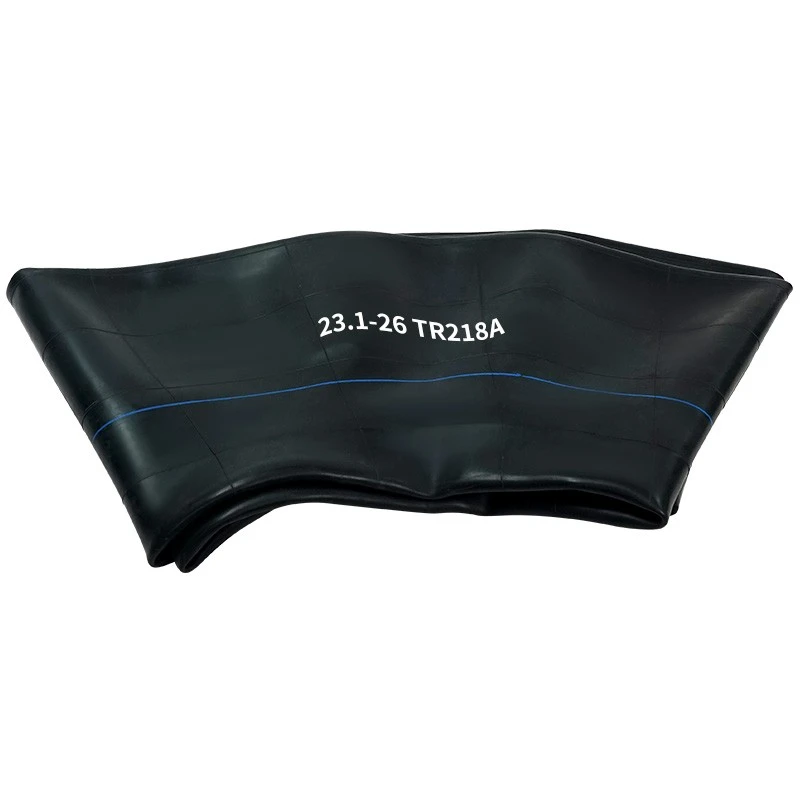
We also offer Car Tire Inner Tube that are designed to meet the specific needs of different vehicles. And if you're in the market for agricultural tires, our 23.1 - 26 Agr Inner Tube is a great option.
Prevention Tips
Now that we've covered the main causes of tire inner tube bursts, here are some tips to prevent them:
- Regular Checks: Check your tire pressure at least once a month and before long trips. Also, visually inspect your tires for any signs of damage, such as cuts, bulges, or punctures.
- Proper Inflation: Always inflate your tires to the recommended pressure. Don't over - or under - inflate them.
- Avoid Hazards: Try to avoid driving over debris, potholes, and other road hazards. If you can't avoid them, slow down.
- Replace Old Tires: Replace your tire inner tubes every 5 - 7 years, even if they seem fine.
- Invest in Quality: Buy high - quality tire inner tubes from a reputable supplier.
If you're in the market for new tire inner tubes, whether it's for your car, truck, or agricultural vehicle, I'd love to talk to you. We have a wide range of products to meet your needs, and our team of experts can help you find the right inner tubes for your specific vehicle. Don't hesitate to reach out for a purchase negotiation. We're here to make sure you get the best tire inner tubes at a great price.
References
- Tire Industry Association. (2023). Tire Maintenance Guide.
- Rubber Manufacturers Association. (2023). Understanding Tire Technology.