

When it comes to tractors, one crucial aspect that often goes unnoticed is the difference between front and rear agricultural tires. As an agricultural tire supplier, I've witnessed firsthand the impact that the right tire selection can have on tractor performance, efficiency, and overall productivity. In this blog post, I'll delve into the key differences between front and rear agricultural tires, helping you make informed decisions for your farming operations.
Design and Construction
The design and construction of front and rear agricultural tires are tailored to meet the specific demands of their respective positions on the tractor. Rear tires are typically larger and wider than front tires, providing greater traction and stability. They are designed to support the majority of the tractor's weight, especially when carrying heavy loads or performing tasks that require significant power, such as plowing or tilling.
On the other hand, front tires are smaller and narrower, primarily serving to steer the tractor. Their design focuses on providing precise steering control and maneuverability, allowing the operator to navigate through fields with ease. Front tires also play a crucial role in distributing the tractor's weight evenly, preventing excessive soil compaction and ensuring optimal traction.
Tread Patterns
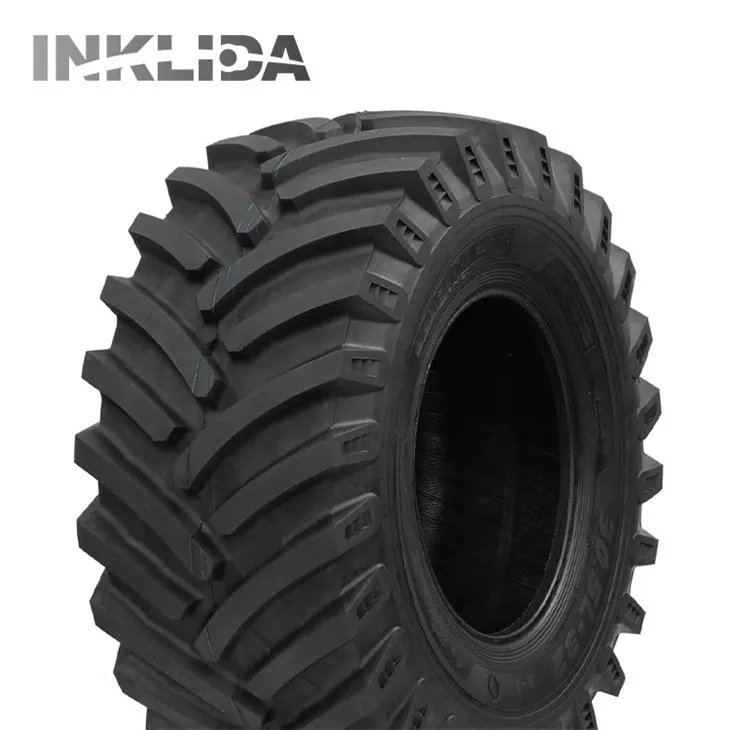
Tread patterns are another significant difference between front and rear agricultural tires. Rear tires often feature deeper and more aggressive tread patterns to enhance traction in challenging terrain and under heavy loads. These treads are designed to dig into the soil, providing better grip and reducing slippage, especially when operating on wet or uneven surfaces.
Front tires, on the other hand, typically have shallower and less aggressive tread patterns. This design allows for smoother steering and reduced rolling resistance, making it easier to turn the tractor. The shallower treads also help to minimize soil disturbance, which is particularly important when working in delicate or newly planted fields.
Load Capacity
Load capacity is a critical factor to consider when choosing front and rear agricultural tires. Rear tires are designed to carry a much higher load capacity than front tires, as they bear the majority of the tractor's weight and the weight of any attached implements. The load capacity of a tire is determined by its size, construction, and inflation pressure, and it's essential to select tires that can handle the specific load requirements of your tractor and equipment.
Front tires, while having a lower load capacity, still need to be able to support the weight of the tractor's front end and provide adequate traction for steering. It's important to ensure that the front tires are properly inflated and matched to the rear tires to maintain balance and stability.
Inflation Pressure
Inflation pressure is another key difference between front and rear agricultural tires. Rear tires typically require a higher inflation pressure than front tires to support the heavier loads they carry. Maintaining the correct inflation pressure is crucial for ensuring optimal tire performance, longevity, and safety. Overinflated tires can lead to reduced traction, increased soil compaction, and uneven wear, while underinflated tires can cause excessive heat buildup, premature tire failure, and decreased fuel efficiency.
Front tires, on the other hand, require a lower inflation pressure to provide a smoother ride and better steering control. It's important to follow the manufacturer's recommendations for inflation pressure and to regularly check and adjust the tire pressure to ensure optimal performance.

Application and Usage
The application and usage of the tractor also play a significant role in determining the appropriate front and rear agricultural tires. For example, tractors used primarily for tillage and heavy-duty work may require larger, more aggressive rear tires with high load capacities, while tractors used for lighter tasks such as mowing or spraying may be able to use smaller, less aggressive tires.
Similarly, the type of terrain and soil conditions in which the tractor will be operating will also influence tire selection. Tractors working in wet or muddy conditions may require tires with deeper treads and better traction, while tractors working in dry or hard-packed soil may be able to use tires with shallower treads for improved fuel efficiency.
The Importance of Matching Front and Rear Tires
Matching the front and rear tires on your tractor is essential for ensuring optimal performance, safety, and longevity. Using mismatched tires can lead to a variety of problems, including uneven wear, reduced traction, poor steering control, and increased fuel consumption. It's important to select tires that are the same size, type, and load capacity for both the front and rear axles, and to ensure that they are properly inflated and maintained.
R1 Tractor Tires for Dry Land Use
When it comes to choosing the right agricultural tires for your tractor, one option to consider is R1 Tractor Tires for Dry Land Use. These tires are specifically designed for use in dry, hard-packed soil conditions, providing excellent traction, durability, and performance. With their deep, aggressive tread patterns and high load capacities, R1 tires are ideal for a variety of agricultural applications, including tillage, planting, and harvesting.
Conclusion
In conclusion, understanding the differences between front and rear agricultural tires is essential for making informed decisions when it comes to tractor tire selection. By considering factors such as design and construction, tread patterns, load capacity, inflation pressure, application, and usage, you can choose the right tires for your tractor and ensure optimal performance, efficiency, and productivity.
As an agricultural tire supplier, I'm committed to providing high-quality tires and expert advice to help you make the best choices for your farming operations. If you have any questions or need assistance with tire selection, please don't hesitate to contact me. I look forward to working with you to find the perfect tires for your tractor.
References
- Tire Industry Association. (n.d.). Agricultural Tire Basics. Retrieved from https://www.tireindustry.org/agricultural-tire-basics
- Michelin Agriculture. (n.d.). Choosing the Right Tires for Your Tractor. Retrieved from https://agriculture.michelin.com/en/choosing-the-right-tires-for-your-tractor
- Goodyear Farm Tires. (n.d.). Understanding Agricultural Tires. Retrieved from https://www.goodyearfarmtires.com/understanding-agricultural-tires