

As a seasoned supplier of [Sport Moto Tires], I've witnessed firsthand the pivotal role that tires play in the performance and safety of sports motorcycles. One of the most common questions I encounter from riders and enthusiasts alike is, "What is the difference between front and rear sport moto tires?" In this blog post, I'll delve into the intricacies of front and rear sport moto tires, exploring their distinct characteristics, functions, and how they contribute to the overall riding experience.
Design and Construction
The design and construction of front and rear sport moto tires are tailored to meet the specific demands placed on each tire position. Front tires are typically narrower and have a more rounded profile compared to rear tires. This design allows for greater maneuverability and responsiveness, enabling riders to navigate tight corners and make quick steering adjustments with ease. The rounded profile also helps to distribute the weight of the motorcycle evenly across the tire's contact patch, improving traction and stability during braking and cornering.
Rear tires, on the other hand, are wider and have a flatter profile. This design provides a larger contact patch, which translates to increased traction and grip, especially during acceleration and high-speed riding. The wider footprint also helps to support the weight of the motorcycle and rider, reducing the risk of tire wear and improving overall durability. Additionally, rear tires often feature a more aggressive tread pattern to enhance traction on various road surfaces, including wet and dry conditions.
Tread Pattern
The tread pattern of a tire is another crucial factor that distinguishes front and rear sport moto tires. Front tires typically have a more shallow and less aggressive tread pattern compared to rear tires. This design allows for better handling and steering precision, as the tire can maintain a consistent contact patch with the road surface. The shallow tread pattern also helps to reduce rolling resistance, improving fuel efficiency and overall performance.
Rear tires, on the other hand, feature a deeper and more aggressive tread pattern to provide maximum traction and grip. The deeper tread channels help to evacuate water from the tire's contact patch, reducing the risk of hydroplaning and improving wet weather performance. The aggressive tread pattern also provides additional bite and traction during acceleration and cornering, allowing riders to push their motorcycles to the limit with confidence.
Compounds
The rubber compounds used in front and rear sport moto tires are formulated to meet the specific performance requirements of each tire position. Front tires typically use a softer rubber compound to provide better grip and handling, especially during braking and cornering. The softer compound allows the tire to conform to the road surface, maximizing the contact patch and improving traction. However, softer compounds also tend to wear out more quickly, so front tires may need to be replaced more frequently than rear tires.
Rear tires, on the other hand, use a harder rubber compound to provide better durability and resistance to wear. The harder compound can withstand the higher loads and stresses placed on the rear tire during acceleration and high-speed riding, reducing the risk of premature wear and damage. However, harder compounds may not provide as much grip as softer compounds, especially in wet or cold conditions.
Load Capacity and Speed Rating
Load capacity and speed rating are two important specifications that riders should consider when choosing front and rear sport moto tires. The load capacity of a tire refers to the maximum weight that the tire can safely support, while the speed rating indicates the maximum speed at which the tire can be safely operated.
Front tires typically have a lower load capacity and speed rating compared to rear tires. This is because the front tire is primarily responsible for steering and braking, while the rear tire is responsible for providing traction and propulsion. However, it's important to choose tires with a load capacity and speed rating that are appropriate for your motorcycle's weight and performance capabilities. Using tires with a lower load capacity or speed rating than recommended can increase the risk of tire failure and compromise your safety on the road.
Performance and Handling
The differences in design, construction, tread pattern, compounds, load capacity, and speed rating between front and rear sport moto tires have a significant impact on the performance and handling of a sports motorcycle. Front tires are designed to provide precise steering control, excellent braking performance, and maximum grip during cornering. They are the primary contact point between the motorcycle and the road, and their performance can greatly affect the overall handling and stability of the bike.
Rear tires, on the other hand, are designed to provide maximum traction and power delivery, especially during acceleration and high-speed riding. They are responsible for transferring the power from the engine to the road, and their performance can greatly affect the acceleration, top speed, and overall performance of the motorcycle.
When choosing front and rear sport moto tires, it's important to consider your riding style, preferences, and the type of terrain you'll be riding on. If you're a aggressive rider who enjoys pushing your motorcycle to the limit on the track, you may want to choose tires with a softer compound and more aggressive tread pattern for maximum grip and performance. If you're a more casual rider who primarily uses your motorcycle for commuting or weekend rides, you may want to choose tires with a harder compound and more conservative tread pattern for better durability and fuel efficiency.
Conclusion
In conclusion, front and rear sport moto tires are designed to meet the specific demands placed on each tire position. The differences in design, construction, tread pattern, compounds, load capacity, and speed rating between front and rear tires have a significant impact on the performance and handling of a sports motorcycle. By understanding these differences and choosing the right tires for your motorcycle and riding style, you can enhance your safety, performance, and overall riding experience.

If you're in the market for high-quality sport moto tires, look no further than our extensive selection of [Sport Moto Tires]. We offer a wide range of tires from leading manufacturers, including [brand names], to suit every rider's needs and budget. Whether you're a professional racer or a weekend warrior, we have the perfect tires for you.
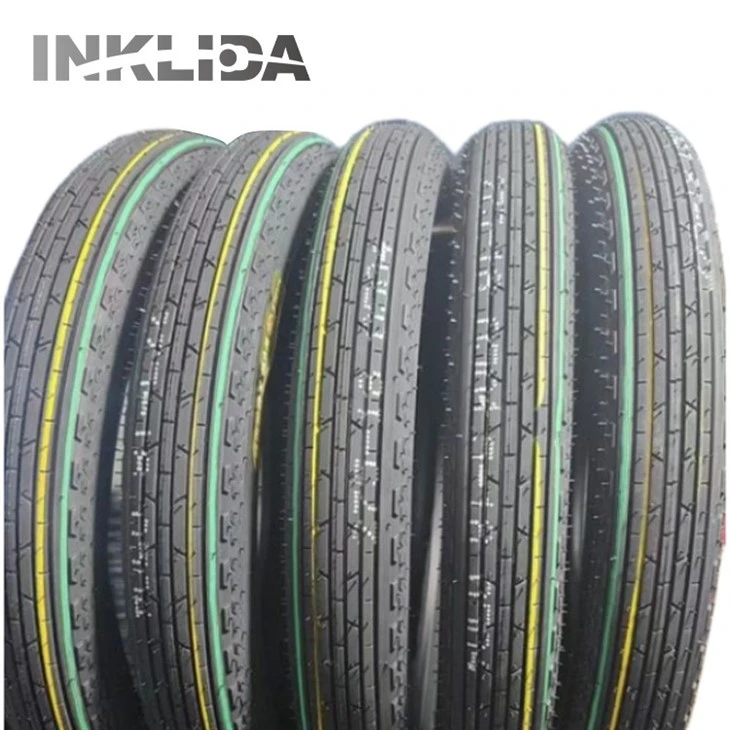
To learn more about our [Sport Moto Tires] or to place an order, please visit our website at [website URL]. Our team of experts is always available to answer your questions and provide you with personalized recommendations based on your specific needs and preferences. Contact us today to get started on your journey to a safer, more enjoyable ride!
References
- [Author's Last Name, First Name]. [Book Title]. [Publisher Name], [Publication Year].
- [Author's Last Name, First Name]. "[Article Title]." [Journal Name], vol. [Volume Number], no. [Issue Number], [Publication Date], pp. [Page Numbers].
- [Website Name]. "[Web Page Title]." [URL]. Accessed [Date Accessed].