

When it comes to choosing the right tires for your vehicle, one of the most significant decisions you'll face is whether to go for highway - terrain or off - the - road tires. As an off - the - road tire supplier, I've seen firsthand the differences between these two types of tires and how they can impact your driving experience. So, let's dive in and explore what sets them apart.
Tread Design
The most obvious difference between highway - terrain and off - the - road tires lies in their tread design. Highway - terrain tires are designed with a relatively smooth and shallow tread pattern. This design is optimized for driving on paved roads. The smooth tread reduces rolling resistance, which means your vehicle uses less fuel as it moves forward. It also provides a quieter ride because there's less noise generated from the tire interacting with the road surface.
On the other hand, off - the - road tires have a much more aggressive tread pattern. The lugs (the raised parts of the tread) are deeper, wider, and more spaced out. This design allows the tires to grip onto various off - road surfaces such as mud, rocks, sand, and gravel. The deep lugs can dig into the ground, providing better traction and preventing the vehicle from getting stuck. For example, when you're driving through thick mud, the wide spaces between the lugs help to eject the mud, keeping the tire's grip intact.
Durability and Construction
Highway - terrain tires are built with a focus on longevity on paved roads. They usually have a lighter construction because they don't need to withstand the same kind of abuse as off - the - road tires. The sidewalls are thinner, which can contribute to a more comfortable ride but also makes them more vulnerable to damage from sharp objects.
Off - the - road tires, however, are constructed to be much more durable. They have thicker sidewalls to protect against punctures from rocks, branches, and other debris you might encounter in off - road environments. The internal structure of off - the - road tires is also more robust, often featuring multiple layers of steel belts and reinforced rubber compounds. This makes them capable of handling heavy loads and rough terrains without getting damaged easily. For instance, if you're using your vehicle for mining operations, you'll need tires that can handle the weight of heavy equipment and the harsh conditions of the mining site. Check out our Mining OTR TIRES E3 L3 for a great option in this regard.
Performance in Different Conditions
On the highway, highway - terrain tires shine. They offer excellent handling, stability, and braking performance on dry and wet paved roads. The smooth tread pattern provides a large contact area with the road, which helps in maintaining control of the vehicle at high speeds. They also have good hydroplaning resistance because the grooves in the tread can channel water away from the tire's surface.
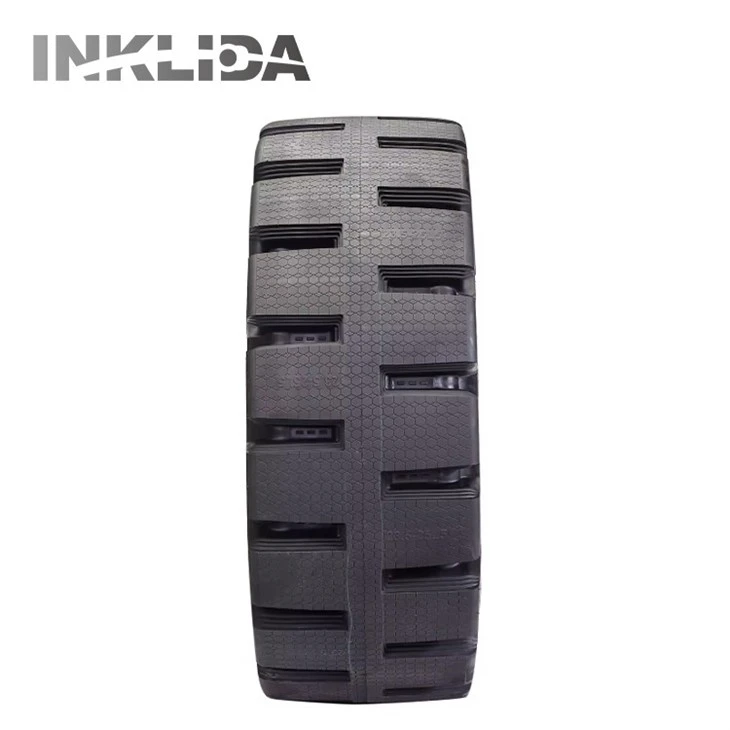
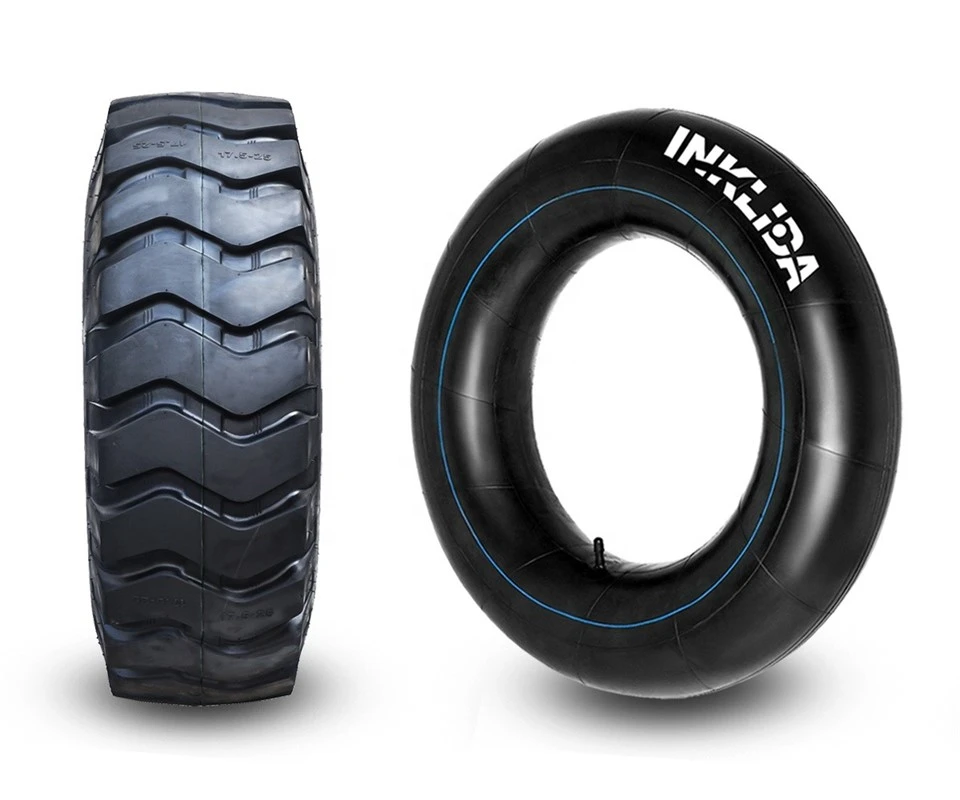
Off - the - road tires, while not as efficient on the highway, are unbeatable in off - road conditions. They can tackle steep inclines, uneven terrain, and slippery surfaces with ease. For example, in sandy deserts, the wide and deep treads can prevent the tires from sinking too deeply into the sand. And when you're driving over large rocks, the durable construction and aggressive tread allow the tires to grip and climb over them. If you're in the business of transporting heavy loads over rough off - road terrains, our Span Carries Tire L3 is a reliable choice.
Ride Comfort
Highway - terrain tires are generally more comfortable for everyday driving. The smooth tread and lighter construction result in less vibration and noise inside the vehicle. This makes long - distance highway driving a more enjoyable experience. You can have a conversation with your passengers without having to raise your voice due to excessive tire noise.
Off - the - road tires, due to their aggressive tread and heavier construction, can make the ride a bit rougher. The deep lugs create more vibration as they roll over the road surface, and the thicker sidewalls can't absorb shocks as well as the thinner ones on highway - terrain tires. However, modern off - the - road tire manufacturers are constantly working on improving ride comfort without sacrificing off - road performance.
Cost
In general, highway - terrain tires are less expensive than off - the - road tires. The simpler construction and the fact that they're designed for mass - market use on paved roads contribute to their lower cost. You can usually find a good set of highway - terrain tires at a relatively affordable price.
Off - the - road tires, on the other hand, are more expensive. The costlier materials, more complex construction, and specialized design for off - road use all add to the price. But when you consider the durability and performance they offer in off - road conditions, the investment can be well worth it. If you're in the market for a tire for your loader or dozer, our Loader and Dozer Tire L5 is a high - quality option, though it comes with a price that reflects its capabilities.
When to Choose Each Type
If you do most of your driving on highways and city streets, with only occasional light off - roading, highway - terrain tires are the way to go. They'll save you money on fuel, provide a comfortable ride, and give you good performance on paved roads.
However, if you're an avid off - road enthusiast, or if your work involves driving on rough off - road terrains regularly, off - the - road tires are essential. They'll ensure your vehicle can handle the challenges of the off - road environment safely and efficiently.
In conclusion, the choice between highway - terrain and off - the - road tires depends on your driving needs and preferences. As an off - the - road tire supplier, I'm here to help you make the right decision. If you're interested in purchasing high - quality off - road tires for your specific requirements, don't hesitate to reach out for a procurement discussion. We can offer you expert advice and find the perfect tires for your vehicle.
References
- Tire Industry Association Publications
- Automotive Engineering Journals
- Manufacturer's Technical Specifications