

Off the road (OTR) tires are specifically designed to meet the demanding requirements of vehicles operating in challenging terrains such as construction sites, mines, and forestry areas. These tires play a crucial role in a vehicle's overall performance, including its braking system. In this blog, as an OTR tire supplier, I will explore the effects of OTR tires on a vehicle's braking system.
1. Tread Design and Braking Performance
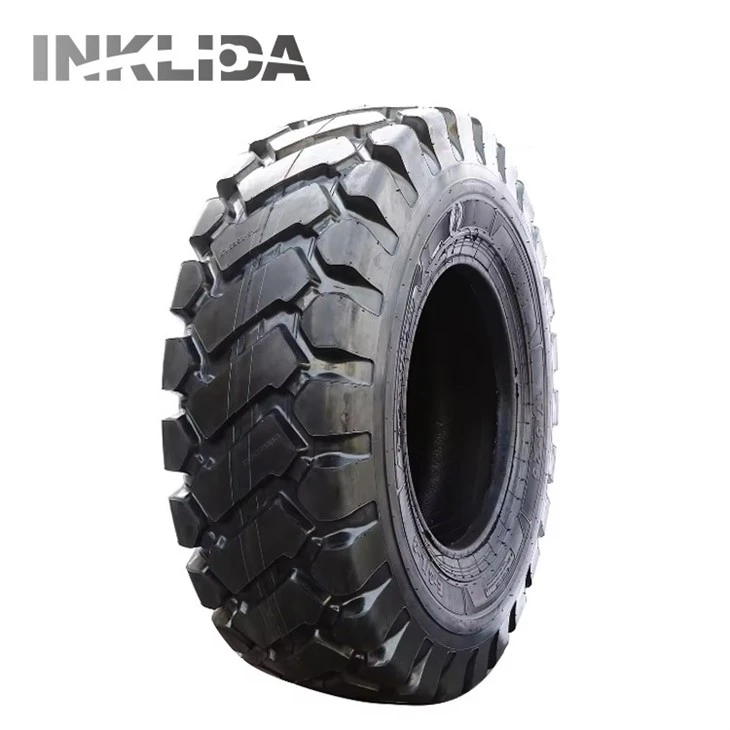
The tread design of OTR tires is one of the most significant factors influencing braking performance. OTR tires typically have deep, aggressive tread patterns that are designed to provide maximum traction on uneven and slippery surfaces. When a vehicle needs to brake, the tread pattern bites into the ground, creating friction that helps to slow down the vehicle.
For example, Loader and Dozer Tire L5 features a heavy - duty tread design with large, thick lugs. These lugs are able to dig into soft soil, mud, or gravel, increasing the contact area between the tire and the ground. As a result, the braking force is distributed more evenly, reducing the risk of skidding and providing more reliable braking.
In contrast, on hard - packed or paved surfaces, the same aggressive tread pattern may not be as effective. The large gaps between the lugs can cause the tire to have less continuous contact with the road surface, potentially reducing the braking efficiency. However, many modern OTR tires are designed with a dual - purpose tread pattern that can perform reasonably well on both off - road and occasional on - road use.
2. Tire Compound and Braking
The tire compound, which is the material used to make the tire, also has a profound impact on braking performance. OTR tires are made from specialized rubber compounds that are formulated to withstand the harsh conditions of off - road environments.
A softer tire compound generally provides better grip and braking performance because it can conform to the surface irregularities more easily. This increased contact area allows for greater friction, which is essential for effective braking. However, softer compounds wear out more quickly, especially under heavy loads and high - speed conditions.
On the other hand, harder tire compounds are more durable and resistant to cuts, abrasions, and heat. But they may not offer the same level of braking performance as softer compounds. As an OTR tire supplier, we often work with our customers to select the right tire compound based on their specific operating conditions. For example, Span Carries Tire L3 is available in different compounds, allowing customers to choose the one that best suits their braking and durability requirements.
3. Tire Pressure and Braking
Maintaining the correct tire pressure is crucial for optimal braking performance. Incorrect tire pressure can significantly affect the way the tire interacts with the ground during braking.
If the tire pressure is too low, the tire will deform more under the vehicle's weight. This can cause the tread to flex unevenly, reducing the contact area with the ground and increasing the braking distance. A low - pressure tire also generates more heat, which can lead to premature tire wear and even tire failure.
Conversely, if the tire pressure is too high, the tire will have a smaller contact area with the ground. This concentrated load on a smaller area can cause the tire to bounce or skid during braking, especially on uneven surfaces. It can also make the ride harsher and increase the risk of damage to the tire and the vehicle's suspension system.
As an OTR tire supplier, we always provide our customers with clear guidelines on the recommended tire pressure for our products. Regular tire pressure checks are essential to ensure that the braking system is functioning at its best.
4. Load Capacity and Braking
OTR vehicles are often required to carry heavy loads, and the load capacity of the tires is directly related to the braking performance. When a vehicle is overloaded, the tires are under excessive stress, which can affect their ability to brake effectively.
Overloading can cause the tires to overheat, leading to a reduction in the tire's grip on the ground. The increased weight also requires more braking force to stop the vehicle, and if the tires are not rated for the load, they may not be able to provide the necessary friction.
For example, Mining OTR TIRES E3 L3 are designed with a high load - carrying capacity to meet the demands of mining operations. These tires are engineered to distribute the load evenly across the tread, ensuring reliable braking even under heavy loads.
5. Impact on Braking System Components
The use of OTR tires can also have an impact on the vehicle's braking system components. The increased braking forces required due to the unique characteristics of off - road driving can put additional stress on the brakes.
The brakes may need to work harder to stop the vehicle, which can lead to increased wear on the brake pads, rotors, and calipers. The heat generated during braking can also be more intense, especially when the vehicle is descending steep slopes or making frequent stops. This can cause the brake performance to degrade over time if the braking system is not properly maintained.

As an OTR tire supplier, we understand the importance of a well - maintained braking system. We often collaborate with vehicle manufacturers and maintenance teams to ensure that the braking system is compatible with our OTR tires and can handle the additional demands.
Conclusion and Call to Action
In conclusion, off the road tires have a complex and multi - faceted effect on a vehicle's braking system. The tread design, tire compound, tire pressure, load capacity, and their impact on braking system components all need to be carefully considered.
As an experienced OTR tire supplier, we are committed to providing our customers with the highest - quality tires that are designed to optimize braking performance while meeting the specific requirements of their off - road applications. Whether you are in the construction, mining, or forestry industry, we have the right OTR tires for your vehicles.
If you are interested in learning more about our OTR tire products and how they can improve your vehicle's braking system, we encourage you to contact us for a detailed consultation. Our team of experts is ready to assist you in selecting the best tires for your needs and answering any questions you may have.
References
- "Tire Technology Handbook" by John F. Compton
- "Off - Road Vehicle Dynamics" by David Crolla
- Industry reports from leading tire manufacturers and research institutions.