

Under - inflating a sack truck inner tube can have a multitude of effects that range from minor inconveniences to significant safety hazards and economic losses. As a supplier of sack truck inner tubes, I've witnessed firsthand the consequences of improper inflation and understand the importance of educating our customers on this crucial aspect of inner tube maintenance.
Impact on Performance
One of the most immediate effects of under - inflating a sack truck inner tube is a decrease in performance. When the inner tube is not properly inflated, the tire has a larger contact area with the ground. This increased contact area leads to higher rolling resistance. Rolling resistance is the force that resists the motion of the tire as it rolls on the surface. With under - inflated inner tubes, more energy is required to move the sack truck, making it harder to push or pull. This can be particularly challenging when the sack truck is loaded with heavy items.
For instance, if a worker is using a sack truck to transport boxes in a warehouse, an under - inflated inner tube will make each trip more labor - intensive. The worker may have to exert more physical effort, which can lead to fatigue over time. This not only slows down the work process but also increases the risk of injuries such as back strains and muscle pulls.
Moreover, under - inflation can also affect the steering and handling of the sack truck. The tire may not respond as quickly or accurately to the operator's movements. This lack of responsiveness can make it difficult to maneuver the sack truck in tight spaces, increasing the likelihood of collisions with other objects in the vicinity.
Wear and Tear
Under - inflated inner tubes are more prone to wear and tear. The increased contact area with the ground means that the tire tread is subjected to more friction. This friction can cause the tread to wear down more quickly, reducing the lifespan of the tire. In addition, the sidewalls of the tire are also under more stress when the inner tube is under - inflated. The sidewalls may bulge outwards, and this can lead to cracking and splitting over time.
Once the sidewalls are damaged, the integrity of the tire is compromised. The tire may start to leak air more rapidly, and in severe cases, it can even blow out. A blown - out tire can be extremely dangerous, especially if it occurs while the sack truck is in motion. It can cause the sack truck to become unstable, leading to potential accidents and injuries.
As a sack truck inner tube supplier, we often see customers who come in with worn - out or damaged tires due to under - inflation. By properly inflating their inner tubes, customers can significantly extend the lifespan of their tires and save money in the long run.
Fuel Efficiency (if applicable)
In some cases, sack trucks may be motorized. For these motorized sack trucks, under - inflation can have a negative impact on fuel efficiency. As mentioned earlier, under - inflated inner tubes increase rolling resistance. The motor has to work harder to overcome this resistance, which means it consumes more fuel.
For businesses that rely on motorized sack trucks for their operations, this increase in fuel consumption can add up to significant costs over time. By ensuring that the inner tubes are properly inflated, businesses can reduce their fuel expenses and improve their bottom line.
Safety Concerns
Safety is a major concern when it comes to under - inflated sack truck inner tubes. As previously mentioned, under - inflation can lead to tire blowouts, which can cause the sack truck to lose control. This is especially dangerous in busy work environments such as warehouses and factories, where there are many people and other equipment in the vicinity.
A blown - out tire can also cause damage to the sack truck itself. The sudden loss of pressure can put stress on the axle and other components of the truck, potentially leading to mechanical failures. These failures can be costly to repair and can also result in downtime for the business.
In addition, under - inflated tires may not provide adequate traction on slippery surfaces. This can increase the risk of skidding and accidents, especially in areas where spills or wet conditions are common.
Solutions and Recommendations
To avoid the negative effects of under - inflation, it is essential to regularly check the air pressure of the sack truck inner tubes. We recommend using a reliable tire pressure gauge to measure the pressure at least once a week. The correct air pressure for the inner tube can usually be found on the sidewall of the tire or in the sack truck's user manual.
If you find that the air pressure is low, it is important to inflate the inner tube to the recommended level. You can use a standard air compressor or a portable air pump to do this. Make sure to check the pressure again after inflation to ensure that it is within the correct range.
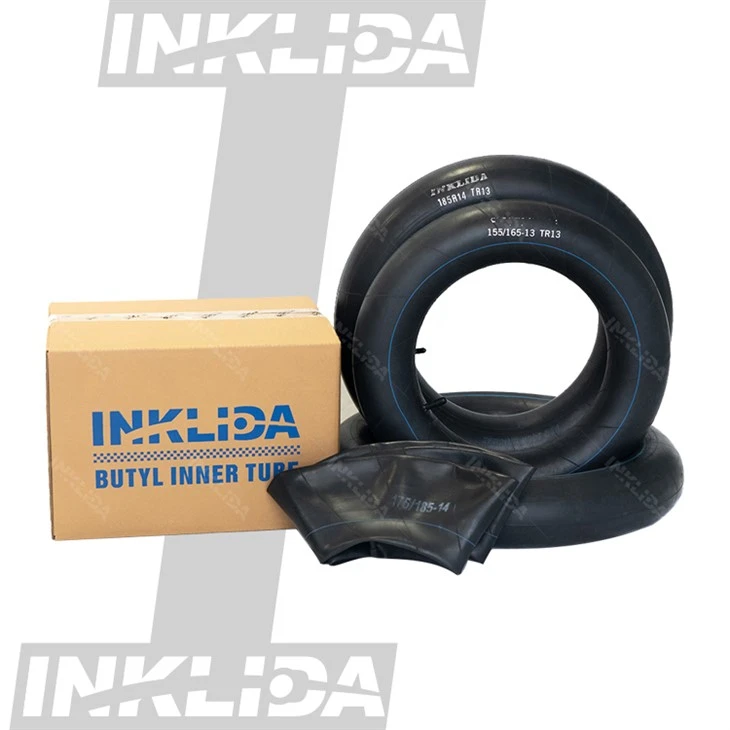
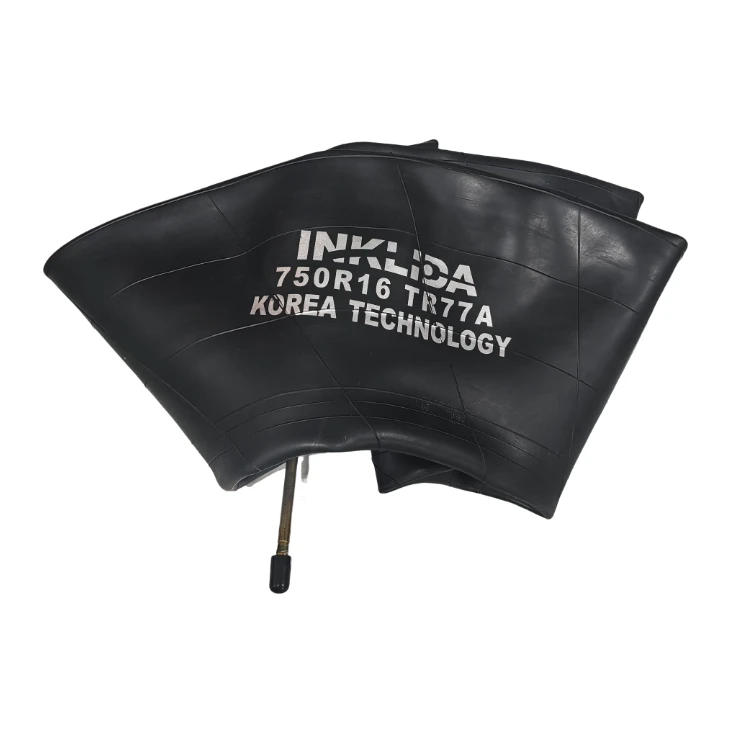
As a sack truck inner tube supplier, we offer a wide range of high - quality inner tubes, including 20 Truck Inner Tube, 16 Inch Truck Tire Inner Tube, and Truck Tire Inner Tube 7.50 - 16. Our inner tubes are designed to withstand the rigors of daily use and provide optimal performance when properly inflated.
If you are in the market for new sack truck inner tubes or have any questions about inner tube inflation and maintenance, we encourage you to reach out to us. Our team of experts is ready to assist you in finding the right inner tubes for your needs and providing you with valuable advice on how to keep them in top condition.
Conclusion
In conclusion, under - inflating a sack truck inner tube can have far - reaching effects on performance, wear and tear, fuel efficiency, and safety. By understanding these effects and taking the necessary steps to maintain proper inflation, businesses and individuals can ensure that their sack trucks operate smoothly and safely. As a trusted sack truck inner tube supplier, we are committed to helping our customers make the most of their equipment. If you are interested in purchasing our products or learning more about inner tube care, please don't hesitate to contact us for a purchase negotiation.
References
- "Tire Basics: Understanding Tire Pressure." National Highway Traffic Safety Administration.
- "The Effects of Under - Inflated Tires on Vehicle Performance." Society of Automotive Engineers.
- "Maintenance Guide for Sack Trucks." Industrial Equipment Manufacturers Association.