

Elasticity is a crucial concept when it comes to farm inner tubes. As a supplier of farm inner tubes, I've witnessed firsthand the significance of understanding the elasticity of these products. In this blog post, I'll delve into what elasticity means for farm inner tubes, its implications, and why it matters in the agricultural industry.
Understanding Elasticity in General Terms
Elasticity, in a physical sense, refers to the ability of a material to deform under stress and return to its original shape when the stress is removed. When we talk about the elasticity of a farm inner tube, we're essentially discussing how well it can stretch, expand, and contract without losing its structural integrity.
The elasticity of a farm inner tube is determined by several factors. One of the primary factors is the material from which the inner tube is made. Most farm inner tubes are crafted from rubber, a material known for its excellent elastic properties. Rubber can stretch to a certain extent and then bounce back to its original form. However, not all rubbers are created equal. The quality and type of rubber used in the manufacturing process can significantly impact the elasticity of the inner tube.
Another factor that affects elasticity is the manufacturing process. A well - made inner tube with a consistent and proper curing process will have better elasticity compared to one that is poorly manufactured. The thickness of the inner tube also plays a role. A thicker inner tube may be less elastic in some cases, as it has more material to deform, but it can also provide more durability and resistance to punctures.
Importance of Elasticity in Farm Inner Tubes
The elasticity of farm inner tubes is of utmost importance for several reasons. Firstly, it directly affects the performance of the tire. When a tractor or other farm equipment is in operation, the inner tube is subjected to various stresses. For example, when the equipment moves over uneven terrain, the inner tube has to stretch and compress as the tire deforms. A highly elastic inner tube can handle these changes in shape without rupturing or losing air pressure.
Good elasticity also contributes to a smoother ride. As the inner tube can easily adapt to the surface irregularities, it helps to reduce the vibrations and shocks transmitted to the vehicle and its operator. This not only improves the comfort of the operator but also reduces the wear and tear on the equipment itself.
In addition, elasticity is related to the load - carrying capacity of the tire. A more elastic inner tube can better distribute the weight of the vehicle and its load. When a heavy load is placed on the tire, the inner tube can stretch to accommodate the increased pressure, ensuring that the tire maintains proper contact with the ground. This is especially important in agricultural applications, where farm equipment often needs to carry heavy loads of crops, fertilizers, or machinery.
How to Evaluate the Elasticity of Farm Inner Tubes
As a supplier, I often encounter customers who are interested in knowing how to evaluate the elasticity of the farm inner tubes they are considering purchasing. One way to do this is through visual inspection. A high - quality inner tube with good elasticity will have a smooth and even surface. There should be no signs of cracks, bubbles, or other imperfections that could indicate poor manufacturing or a lack of elasticity.
Another method is to perform a simple stretch test. This can be done by gently pulling on the inner tube at different points. A highly elastic inner tube will stretch easily and then return to its original shape once the pulling force is removed. However, it's important to note that this test should be done carefully to avoid damaging the inner tube.
We also rely on industry - standard testing methods. These tests measure the tensile strength, elongation at break, and other mechanical properties of the inner tube. Tensile strength indicates the maximum amount of stress the inner tube can withstand before breaking, while elongation at break shows how much the inner tube can stretch before it fails. These values are important indicators of the elasticity and overall quality of the inner tube.
Our Product Range and Elasticity
At our company, we offer a wide range of farm inner tubes with excellent elasticity. For example, our 16.9 34 Tractor Inner Tube is made from high - quality rubber and is designed to provide optimal elasticity. It can easily handle the stresses associated with tractor operations, whether it's plowing fields or transporting heavy loads.
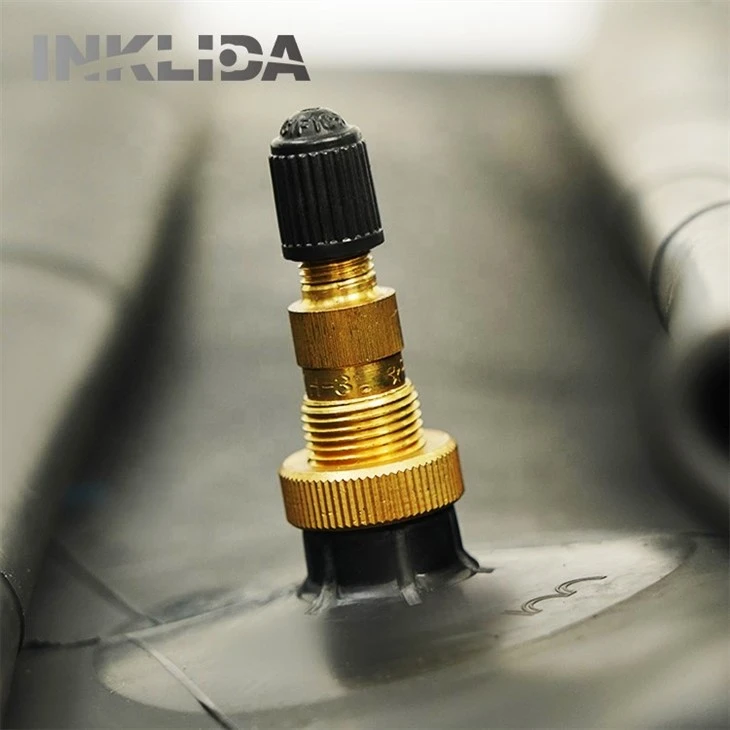
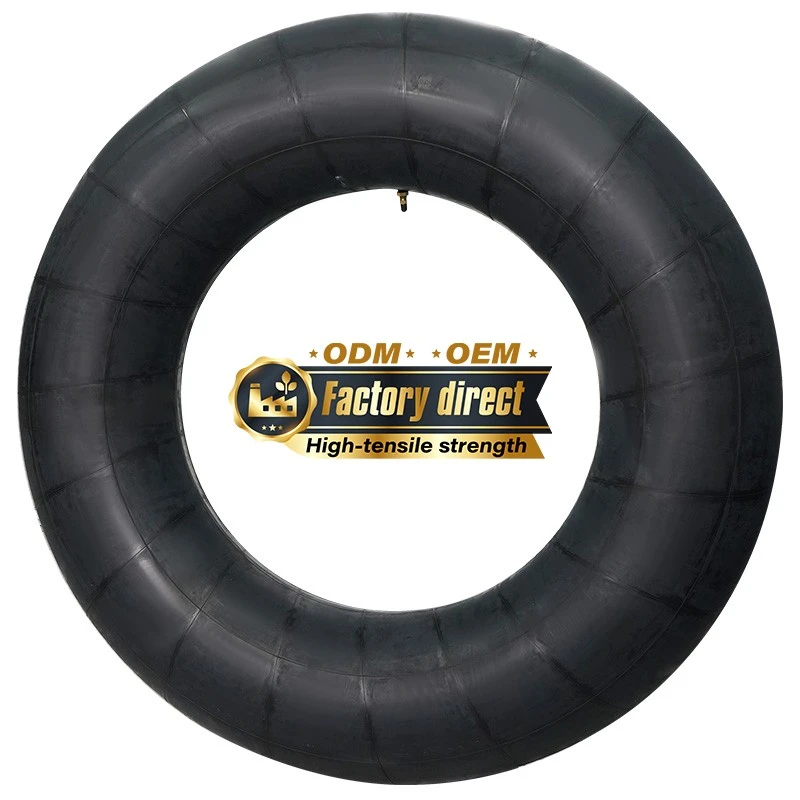
Our Korean Technology 18.4 - 24 Inner Tubes are another great example. These inner tubes are manufactured using advanced Korean technology, which ensures a high level of consistency and quality in the rubber compound. The result is an inner tube with superior elasticity, durability, and performance.
We also have a range of Farm and Implement Inner Tube that are suitable for various farm implements. These inner tubes are designed to be highly elastic, allowing them to adapt to different operating conditions and loads.
Conclusion
In conclusion, the elasticity of farm inner tubes is a critical characteristic that directly impacts their performance, durability, and the overall efficiency of farm equipment. As a supplier, we are committed to providing high - quality inner tubes with excellent elasticity. Whether you are a large - scale farm owner or a small - scale farmer, having the right inner tube with the appropriate elasticity can make a significant difference in your farming operations.
If you're interested in learning more about our farm inner tubes or would like to discuss your specific requirements, we encourage you to reach out to us. We're here to help you find the perfect inner tube solution for your farm equipment.
References
- Smith, J. (2018). "The Physics of Rubber Elasticity in Agricultural Tires". Journal of Agricultural Mechanics, 25(3), 45 - 52.
- Brown, A. (2019). "Manufacturing Processes and Their Impact on Inner Tube Elasticity". Tire Technology Review, 12(2), 67 - 74.