

As an agricultural tire supplier deeply entrenched in the industry, I often encounter inquiries from farmers, agricultural contractors, and equipment operators about the lifespan of agricultural tires. Understanding the lifespan of these essential components is crucial for optimizing operational efficiency, managing costs, and ensuring the safety of agricultural operations. In this blog post, I will delve into the factors that influence the lifespan of agricultural tires, provide estimates of their typical lifespan, and offer tips on how to extend their longevity.

Factors Affecting the Lifespan of Agricultural Tires
The lifespan of an agricultural tire is influenced by a multitude of factors, each playing a significant role in determining how long the tire will last. Understanding these factors can help farmers and operators make informed decisions about tire selection, maintenance, and usage.
1. Tire Design and Quality
The design and quality of an agricultural tire are fundamental factors that affect its lifespan. Tires are engineered to meet specific agricultural applications, such as tillage, harvesting, or transportation. Tires designed for heavy-duty applications, such as those used in large tractors or combines, are typically built with more robust materials and construction techniques to withstand the rigors of intense workloads. High-quality tires often feature advanced tread designs, reinforced sidewalls, and durable rubber compounds that resist wear, cut, and puncture.
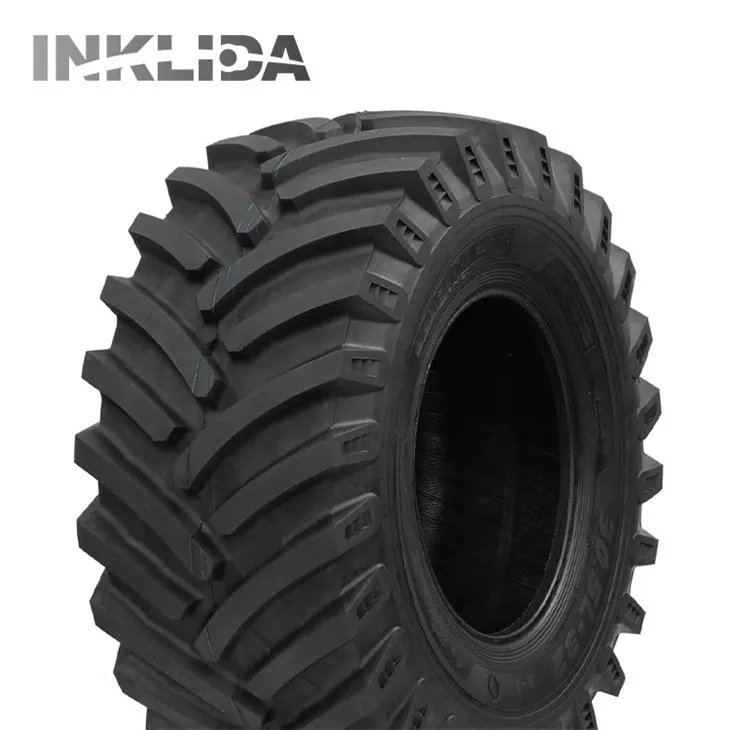
For example, R1 Tractor Tires for Dry Land Use are specifically designed for use on dry, hard-packed soils. These tires feature deep, aggressive tread patterns that provide excellent traction and self-cleaning properties, making them ideal for tillage and other field operations. The high-quality rubber compounds used in these tires are resistant to wear and tear, ensuring a longer lifespan even under demanding conditions.
2. Operating Conditions
The operating conditions under which an agricultural tire is used have a significant impact on its lifespan. Factors such as soil type, terrain, climate, and workload can all affect how quickly a tire wears out. Tires used on rough, rocky terrain or in abrasive soil conditions are more likely to experience cut, puncture, and wear than those used on smooth, flat surfaces. Similarly, tires exposed to extreme temperatures, such as hot summers or cold winters, may experience accelerated aging and degradation.
In addition, the workload placed on a tire can also affect its lifespan. Tires used in heavy-duty applications, such as pulling large implements or carrying heavy loads, are subject to greater stress and wear than those used in light-duty applications. Overloading a tire can cause excessive heat buildup, which can lead to premature wear and failure.
3. Maintenance and Care
Proper maintenance and care are essential for extending the lifespan of agricultural tires. Regular inspections, tire rotations, and proper inflation are all important steps in ensuring that tires remain in good condition and perform optimally. Inspecting tires regularly for signs of wear, cut, puncture, or damage can help identify potential problems early on and prevent them from escalating into more serious issues.
Tire rotations are also important for ensuring even wear across all tires. By rotating tires regularly, farmers and operators can extend the lifespan of their tires and improve the overall performance of their equipment. Proper inflation is another critical factor in tire maintenance. Underinflated tires can cause excessive wear on the outer edges of the tread, while overinflated tires can lead to a harsh ride and increased risk of puncture.
4. Driver Behavior
Driver behavior can also have a significant impact on the lifespan of agricultural tires. Aggressive driving, such as rapid acceleration, hard braking, and sharp turns, can cause excessive wear and tear on tires. In addition, driving on rough or uneven terrain at high speeds can increase the risk of cut, puncture, and damage to tires.
By practicing smooth, consistent driving techniques and avoiding unnecessary stress on tires, farmers and operators can extend the lifespan of their tires and reduce the risk of premature wear and failure.
Typical Lifespan of Agricultural Tires
The typical lifespan of an agricultural tire can vary widely depending on the factors discussed above. On average, agricultural tires can last anywhere from 3,000 to 10,000 hours of use. However, this estimate can vary significantly depending on the specific application, operating conditions, and maintenance practices.
Tires used in light-duty applications, such as small tractors or utility vehicles, may last longer than those used in heavy-duty applications, such as large tractors or combines. Similarly, tires used on smooth, flat surfaces may last longer than those used on rough, rocky terrain.
In general, it is recommended that farmers and operators replace their agricultural tires when the tread depth reaches 2/32 of an inch or less. This is the minimum tread depth required for safe operation and ensures that tires maintain adequate traction and performance.
Tips for Extending the Lifespan of Agricultural Tires
While the lifespan of agricultural tires is influenced by a variety of factors, there are several steps that farmers and operators can take to extend the longevity of their tires. Here are some tips for getting the most out of your agricultural tires:
1. Choose the Right Tires
Selecting the right tires for your specific application is crucial for ensuring optimal performance and longevity. Consider factors such as soil type, terrain, climate, and workload when choosing tires. Consult with a tire professional or supplier to determine the best tires for your needs.
2. Maintain Proper Inflation
Proper inflation is essential for extending the lifespan of agricultural tires. Check tire pressure regularly and maintain the recommended inflation levels specified by the tire manufacturer. Underinflated tires can cause excessive wear on the outer edges of the tread, while overinflated tires can lead to a harsh ride and increased risk of puncture.
3. Inspect Tires Regularly
Regular inspections are important for identifying potential problems early on and preventing them from escalating into more serious issues. Inspect tires for signs of wear, cut, puncture, or damage on a regular basis. Replace tires that show signs of excessive wear or damage immediately.
4. Rotate Tires Regularly
Tire rotations are important for ensuring even wear across all tires. By rotating tires regularly, you can extend the lifespan of your tires and improve the overall performance of your equipment. Follow the tire rotation schedule recommended by the tire manufacturer.
5. Practice Smooth Driving Techniques
Aggressive driving, such as rapid acceleration, hard braking, and sharp turns, can cause excessive wear and tear on tires. By practicing smooth, consistent driving techniques and avoiding unnecessary stress on tires, you can extend the lifespan of your tires and reduce the risk of premature wear and failure.
6. Store Tires Properly
When tires are not in use, it is important to store them properly to prevent damage and premature aging. Store tires in a cool, dry place away from direct sunlight and sources of heat. Avoid stacking tires on top of each other, as this can cause deformation and damage to the tires.
Conclusion
The lifespan of an agricultural tire is influenced by a variety of factors, including tire design and quality, operating conditions, maintenance and care, and driver behavior. By understanding these factors and taking steps to extend the longevity of your tires, you can optimize operational efficiency, manage costs, and ensure the safety of your agricultural operations.
As an agricultural tire supplier, I am committed to providing my customers with high-quality tires and expert advice on tire selection, maintenance, and usage. If you have any questions or need assistance with choosing the right tires for your needs, please do not hesitate to contact me. I look forward to working with you to help you get the most out of your agricultural tires.
References
- Tire Industry Association. (2023). Agricultural Tire Maintenance Guide.
- Rubber Manufacturers Association. (2023). Tire Safety and Performance Guidelines.
- Agricultural Equipment Manufacturers Association. (2023). Best Practices for Agricultural Tire Usage.