

Hey there! As a supplier of off the road tires, I often get asked about all sorts of things related to these tires. One question that pops up quite a bit is, "What is the maximum depth of tread for off the road tires?" Well, let's dive right into it.
First off, what exactly are off the road tires? These are the tires you see on heavy - duty vehicles like graders, wheel loaders, and dozers that operate in rough terrains such as construction sites, mines, and agricultural fields. Unlike regular car tires that are designed for smooth pavements, off the road tires need to withstand extreme conditions.
The tread depth of a tire is super important. It's the measurement from the top of the tire's tread to the bottom of its deepest grooves. A deeper tread provides better traction, which is crucial when you're driving on uneven, muddy, or rocky surfaces. But there's a limit to how deep the tread can go.
There isn't a one - size - fits - all answer for the maximum tread depth of off the road tires. It depends on several factors. One of the main factors is the type of vehicle the tire is going to be used on. For example, a grader tire is used for leveling surfaces. The Grader Tire G3 L3 needs to have a tread depth that allows it to grip the ground well while also providing a relatively smooth ride. Usually, the maximum tread depth for grader tires can range from around 25 to 35 millimeters. This depth gives it enough traction for moving soil and gravel without getting stuck, but not so deep that it becomes too difficult to control the grader.
On the other hand, wheel loaders are used for scooping and moving large amounts of materials. The Bias Otr Tires For Wheel Loader require a different tread depth. These tires often operate in very rough and abrasive environments. The maximum tread depth for wheel loader tires can be a bit deeper, typically between 35 and 50 millimeters. The extra depth helps the tire to last longer in these harsh conditions and provides better grip when the loader is carrying heavy loads.
Dozers, which are used for pushing large amounts of earth and debris, also have specific tread depth requirements. The Loader and Dozer Tire L5 usually has a maximum tread depth in the range of 40 to 60 millimeters. Dozers need a deep tread to be able to push through tough materials and maintain stability on uneven ground.
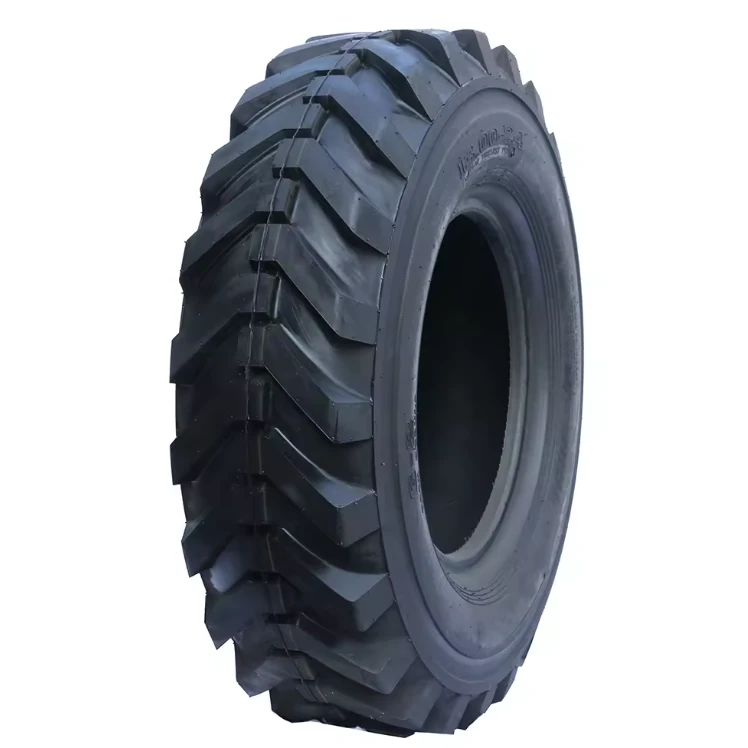
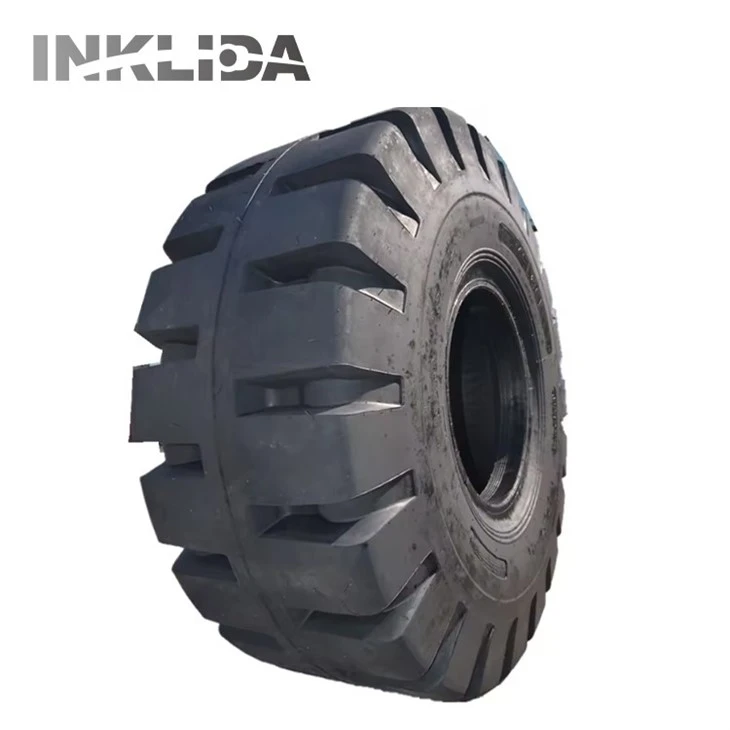
Another factor that affects the maximum tread depth is the type of terrain the vehicle will be operating on. If the terrain is mostly soft and muddy, a deeper tread is beneficial as it can dig into the mud and provide better traction. However, if the terrain is hard and rocky, a very deep tread might not be necessary. In fact, a tread that is too deep can cause the tire to wear out faster on hard surfaces because the edges of the tread blocks are more likely to get chipped and damaged.
The tire compound also plays a role in determining the maximum tread depth. A harder tire compound can support a deeper tread because it is more resistant to wear. So, if a tire is made with a high - quality, hard - wearing compound, it can have a deeper tread compared to a tire with a softer compound.
Now, you might be wondering how manufacturers determine the maximum tread depth. They conduct a lot of tests. They test the tires in different terrains, with different loads, and at different speeds. These tests help them to find the optimal tread depth that provides the best combination of traction, durability, and performance.
Let's talk about the benefits of having the right tread depth. A tire with the appropriate tread depth will last longer. It will be more resistant to wear and tear, which means you won't have to replace the tires as often. This can save you a significant amount of money in the long run. It also provides better safety. With proper traction, the vehicle is less likely to skid or lose control, especially in slippery conditions.
But having a tread depth that is too deep also has its drawbacks. It can increase the rolling resistance of the tire. Rolling resistance is the force that resists the motion of the tire as it rolls. A higher rolling resistance means the vehicle has to use more fuel to move, which can be costly. It can also make the tire heavier, which can put more stress on the vehicle's suspension and other components.
As an off the road tire supplier, I always recommend that customers consider their specific needs when choosing a tire with the right tread depth. If you're using a grader on a construction site with mostly hard - packed soil, you might not need the maximum tread depth available. But if you're operating a dozer in a muddy mine, a deeper tread could be a great choice.
If you're in the market for off the road tires and have questions about tread depth or any other aspect of the tires, don't hesitate to reach out. We're here to help you find the perfect tires for your vehicles. Whether you need a Grader Tire G3 L3, Bias Otr Tires For Wheel Loader, or Loader and Dozer Tire L5, we've got you covered. Let's have a chat and figure out the best solution for your off the road tire needs.
References:
- Tire industry research reports on off - road tire performance
- Manufacturer's technical specifications for off - road tires